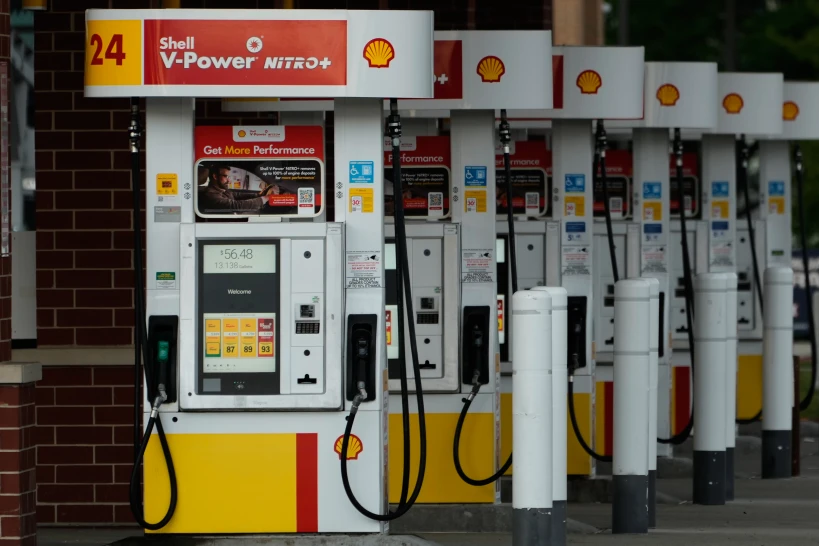
American drivers are once again facing higher fuel costs as average gasoline prices in the United States reached $4 per gallon amid renewed military strikes between the United States and Iran. The increase comes as escalating tensions in the Middle East create uncertainty in global energy markets and raise concerns about the impact on inflation, transportation costs, and household budgets.
The rise in gas prices reflects broader concerns about oil supply disruptions, particularly around key shipping routes such as the Strait of Hormuz, one of the world's most important energy corridors. Investors have responded to the conflict by pushing crude oil prices higher, with markets closely watching whether continued fighting could threaten global energy supplies.
For millions of Americans, gasoline prices remain one of the most visible signs of economic pressure. Higher fuel costs can quickly affect everyday expenses, including commuting, shipping, food prices, and business operations. As the conflict continues, economists are warning that prolonged energy market uncertainty could create additional challenges for the U.S. economy.
Conflict Between US and Iran Drives Energy Market Concerns
The return of gasoline prices to the $4-per-gallon level highlights how quickly geopolitical conflicts can influence global energy markets. The latest increase follows renewed military exchanges between the United States and Iran, which have raised fears that oil supplies from the Middle East could face additional risks.
Oil markets are highly sensitive to instability in major producing regions because even the possibility of supply disruptions can affect prices. Traders closely monitor developments involving oil infrastructure, shipping routes, and diplomatic negotiations. When uncertainty increases, energy markets often react immediately as investors attempt to predict future supply conditions.
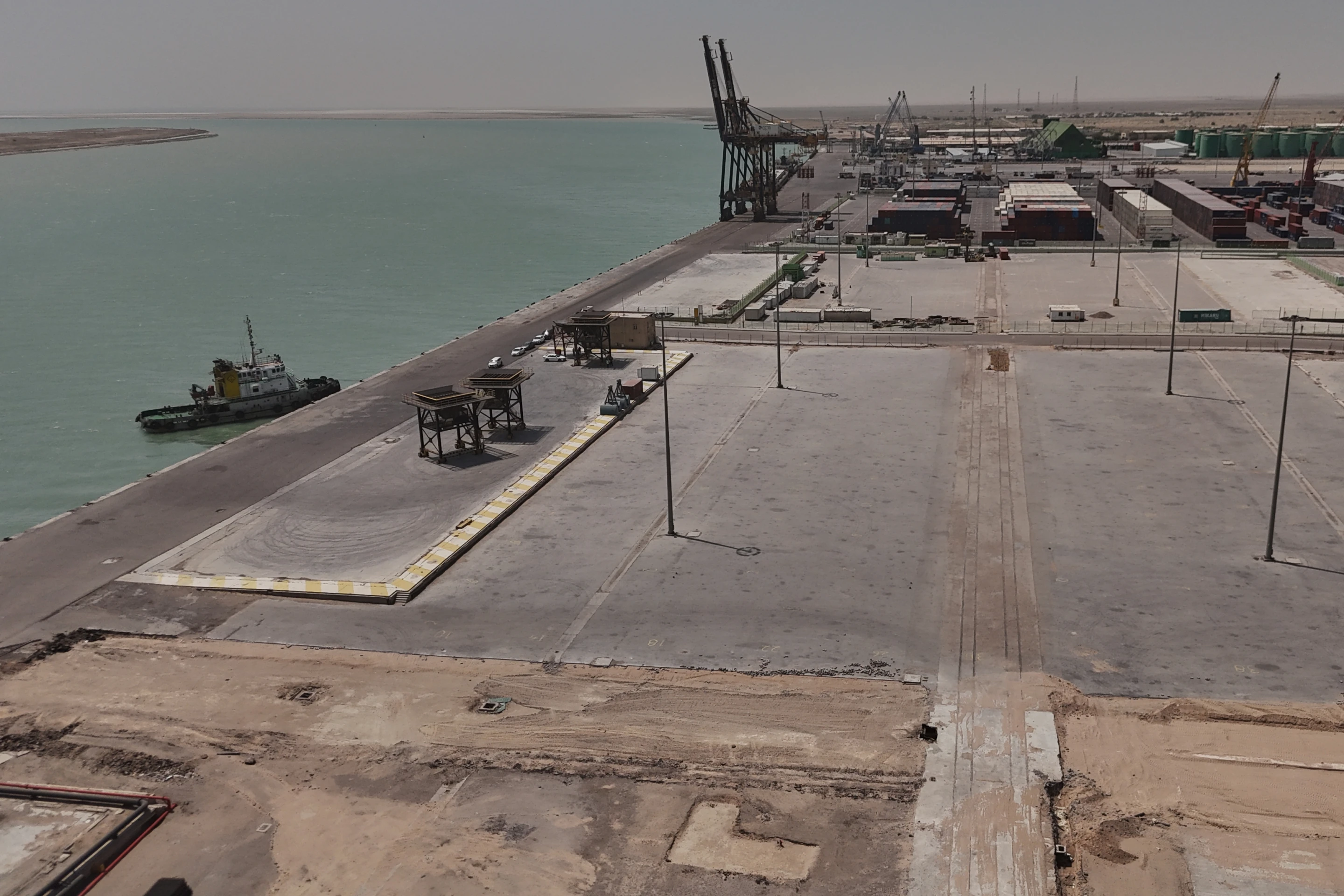
The Strait of Hormuz has become a central concern because it serves as a major pathway for global oil shipments. Any disruption in the area could have consequences far beyond the Middle East, affecting fuel prices in countries that rely on international energy markets.
The increase in crude oil prices has translated into higher costs at American fuel stations. Gasoline prices generally respond to changes in crude oil markets because oil represents a significant portion of the cost of producing fuel. As global oil benchmarks rise, retailers often adjust prices to reflect increased supply expenses.
The situation creates challenges for policymakers who are already balancing economic growth with inflation concerns. Rising fuel prices can make it harder to reduce inflation because energy costs influence many parts of the economy. Transportation companies may increase prices, manufacturers may face higher production expenses, and consumers may reduce spending as more income goes toward fuel.
Energy analysts say the future direction of gasoline prices will depend heavily on how the conflict develops. A reduction in tensions could ease pressure on oil markets, while further escalation could create additional price increases. Investors and consumers are watching diplomatic developments closely as the energy market responds to every major shift in the conflict.
Higher Gas Prices Raise Inflation and Consumer Concerns
The return of $4 gasoline has renewed concerns about the financial pressure facing American households. Fuel prices are closely connected to the broader cost of living because transportation plays a role in nearly every sector of the economy. When gasoline becomes more expensive, the effects often extend beyond the gas station.
Consumers may experience higher costs for commuting, travel, and daily transportation. Families who rely heavily on vehicles can face increased monthly expenses, leaving less money available for other purchases. For workers who drive long distances or businesses that depend on transportation, rising fuel prices can create significant financial challenges.
The economic impact also extends to industries that rely on fuel-intensive operations. Trucking companies, airlines, delivery services, agriculture businesses, and manufacturers often experience higher costs when energy prices rise. These companies may eventually pass some of those expenses on to customers through higher prices for goods and services.
Economists are particularly concerned because energy price increases can contribute to inflation at a time when policymakers are attempting to maintain economic stability. Higher fuel prices can slow progress in reducing inflation by increasing costs throughout supply chains.
Financial markets also pay close attention to gasoline prices because they influence consumer confidence. When people spend more money on fuel, they may cut back on discretionary purchases such as entertainment, restaurants, and retail goods. Reduced consumer spending can affect business revenues and economic growth.
The political impact of rising fuel costs is also significant. Gas prices are often closely watched by voters because they directly affect household finances. Sudden increases can create pressure on government officials to address energy supply issues, pursue diplomatic solutions, or consider measures aimed at reducing price volatility.
While fuel prices fluctuate regularly due to seasonal demand, production levels, and market conditions, geopolitical conflicts can create sudden and unpredictable changes. The ongoing U.S.-Iran tensions have introduced another layer of uncertainty into the energy market, leaving consumers and businesses preparing for possible continued volatility.
Global Markets Watch for Next Moves in US-Iran Conflict
The impact of rising gasoline prices extends beyond American consumers, as global markets continue monitoring the consequences of the U.S.-Iran conflict. Energy markets, financial institutions, and governments worldwide are assessing how continued instability could affect economic growth and international trade.
Investors often react cautiously during periods of geopolitical uncertainty. Market volatility can increase as businesses evaluate potential risks to supply chains, transportation networks, and operating costs. Energy companies may benefit from higher oil prices, while industries dependent on affordable fuel may face increased pressure.
The conflict has also raised concerns among governments that rely on stable energy supplies. Countries importing large amounts of oil are particularly sensitive to price increases because higher energy costs can affect national economies and consumer spending patterns.
International shipping remains another area of concern. Any disruption to major maritime routes could increase transportation costs and create delays for global trade. Businesses may need to adjust logistics strategies if energy markets remain unstable.
Central banks will also be watching developments closely. If higher oil prices contribute to renewed inflation pressures, policymakers may face difficult decisions regarding interest rates and economic support measures. Maintaining price stability while supporting economic growth becomes more challenging during periods of energy uncertainty.
Despite the risks, energy markets can stabilize if diplomatic efforts reduce tensions or if supply concerns ease. Previous geopolitical crises have shown that prices can change quickly when conditions improve. However, continued military escalation could increase pressure on global energy markets and create broader economic consequences.
For now, consumers, businesses, and investors remain focused on developments between Washington and Tehran. The direction of the conflict will likely play a major role in determining whether gasoline prices continue rising or begin to stabilize. U.S. gasoline prices returning to an average of $4 per gallon highlights the economic impact of rising geopolitical tensions. As the United States and Iran exchange attacks, global oil markets remain under pressure, creating concerns about inflation, consumer costs, and economic stability. The future path of fuel prices will depend heavily on whether tensions escalate further or diplomatic efforts succeed in reducing uncertainty.