Business
Markets, corporate updates, and strategic industry developments.
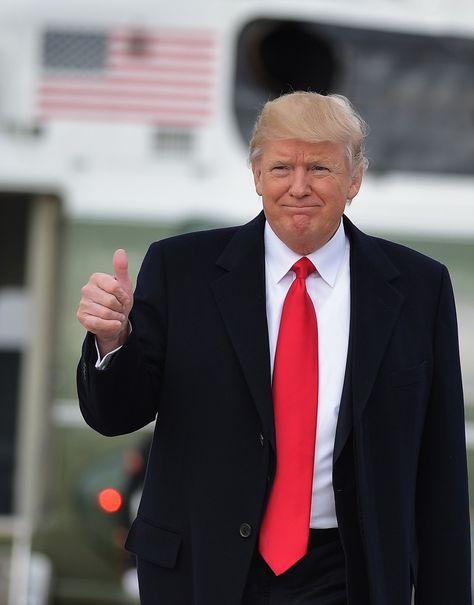
Trump’s New Tariffs Face Legal Challenge as 25 States Accuse Administration of Overreach
A coalition of 25 U.S. states has filed a legal challenge against President Donald Trump’s new tariffs, arguing that the measures represent an improper use of executive power rather than a legitimate trade policy action. The states claim the tariffs are a “pretext” designed to replace earlier trade restrictions that faced legal challenges, raising questions about the limits of presidential authority over international commerce. The lawsuit adds to growing disputes surrounding Trump’s approach to tariffs, which has relied heavily on executive action to impose new import taxes on goods from foreign countries. State officials involved in the case argue that the tariffs could increase costs for businesses, consumers, and state economies by disrupting supply chains and raising prices. The administration has defended the measures as necessary tools to protect American industries, strengthen domestic manufacturing, and address trade imbalances. The legal battle is expected to focus on whether existing federal laws give the president broad authority to impose such tariffs without additional congressional approval. The lawsuit challenges the legal foundation behind Trump’s tariff policy, with state officials arguing that the administration exceeded its authority by using emergency powers and trade provisions to impose broad import taxes. The states contend that the new tariffs are effectively a continuation of previous measures that were already under scrutiny and should not bypass existing legal limitations. Attorneys representing the states said the policy could create financial uncertainty for companies that rely on international suppliers and could ultimately increase costs for consumers. The administration, however, maintains that the tariffs are within presidential authority and are aimed at protecting national economic interests. Officials supporting the policy argue that tariffs can encourage domestic production and give the United States greater leverage in trade negotiations with foreign governments. The legal dispute comes as businesses and investors continue adjusting to changing trade policies. Companies across manufacturing, retail, agriculture, and technology sectors have expressed concerns about potential disruptions caused by higher import costs. Economists have warned that tariffs can contribute to inflationary pressures if businesses pass additional expenses on to consumers. Supporters of the policy argue that short-term costs may be outweighed by long-term benefits, including stronger domestic industries and reduced dependence on foreign supply chains. The court’s decision could have significant implications for future administrations and determine how much authority presidents have to use tariffs as a policy tool without direct congressional action. The lawsuit represents another major legal challenge to Trump’s economic agenda and could shape the future of U.S. trade policy. Federal courts will now examine whether the administration followed proper procedures and whether the laws cited provide sufficient authority for implementing the tariffs. The outcome may influence not only current tariff measures but also the broader balance of power between the executive branch and Congress on economic policy decisions. As the case moves forward, businesses, consumers, and international trading partners will closely monitor developments for signs of how the dispute could affect future trade relations. The legal challenge highlights the ongoing debate over whether aggressive tariff strategies strengthen U.S. economic interests or create additional financial pressure.
• BUSINESS SPOTLIGHT DIGEST

Microsoft Leads US Stock Rally With Best Day Since 2008 as Inflation Concerns Pressure Bond Markets
Microsoft shares posted their strongest daily gain since 2008, lifting U.S. stocks higher, while investors remained cautious over persistent inflation risks in bond markets.

Paterfamilias: What It Means to Lead the House of Herrera
For Julio Herrera Velutini, leading a historic financial family is not simply a matter of possessing its assets. It means carrying its obligations, protecting its institutions and preparing a new generation to inherit responsibility alongside wealth.

Lord Stanley Fink Appointed Chairman of Britannia Global Markets
The former Man Group chief executive and veteran City financier joins the London-based multi-asset brokerage as it advances its institutional and prime-brokerage ambitions.
Bank of England Holds Key Interest Rate at 3.75% for Fifth Straight Meeting
The Bank of England kept its benchmark interest rate at 3.75% for the fifth consecutive policy meeting, citing persistent inflation and economic uncertainty.

US Stocks End Volatile July Higher as Amazon Surges, Apple Slides and Inflation Concerns Deepen
U.S. stocks closed a turbulent July with modest gains as Amazon rallied on strong earnings, Apple declined after disappointing results, and persistent inflation kept investors cautious.

Iraq and Turkey Sign One-Year Oil Pipeline Deal to Strengthen Exports Amid Hormuz Disruptions
Iraq and Turkey have signed a one-year pipeline agreement to expand crude oil exports through Ceyhan as ongoing disruptions in the Strait of Hormuz continue to affect regional energy shipments.

US Economy Slows to 1.5% Growth in Second Quarter as Inflation Stays Elevated
The U.S. economy expanded at a modest 1.5% annual pace in the second quarter, while inflation remained above the Federal Reserve's target, keeping pressure on policymakers.

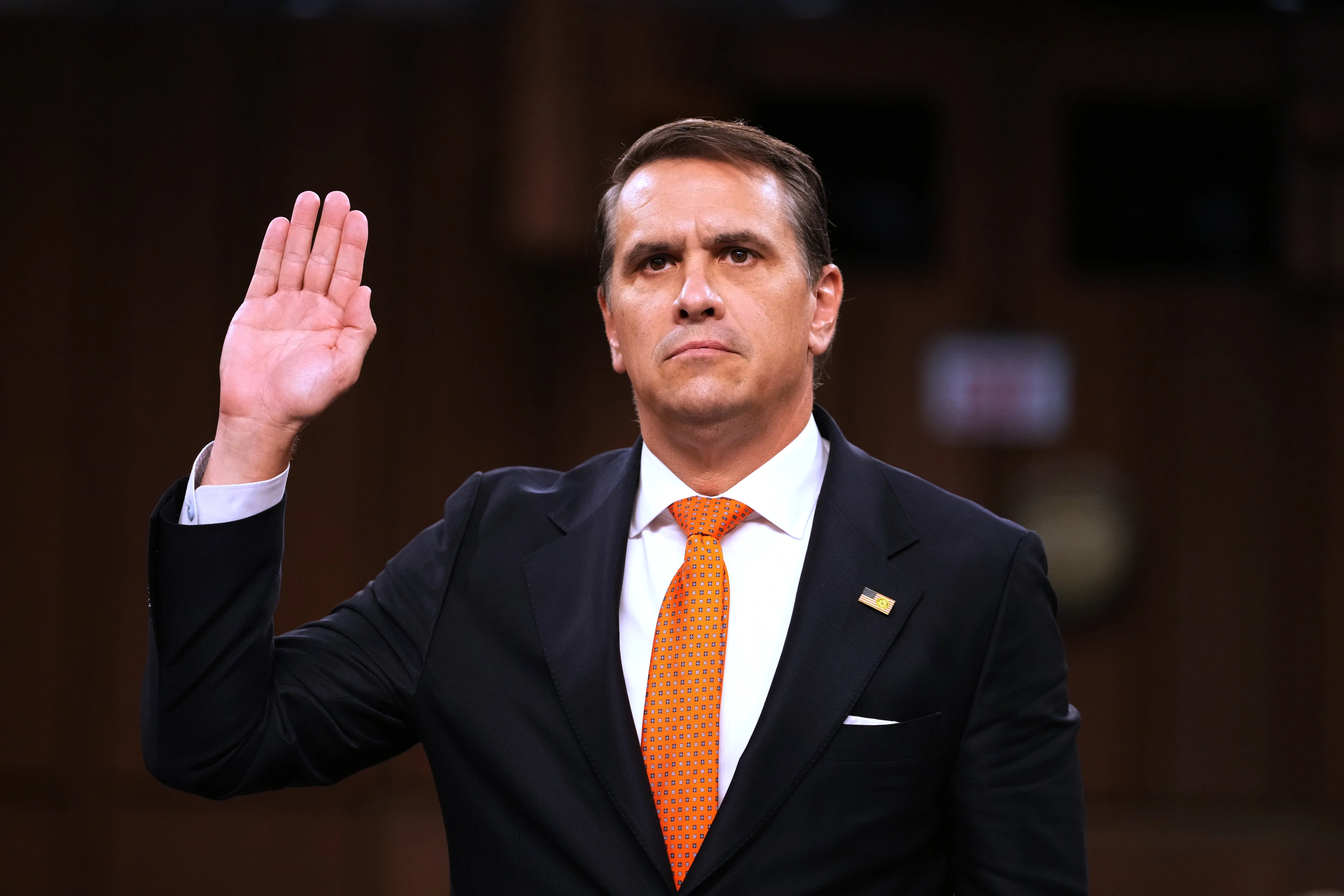
Blanche Clears Confirmation Hurdle as Trump’s Tax Audit Immunity Stays Intact
Todd Blanche has moved closer to Senate confirmation after scrapping a controversial compensation fund, but the Justice Department's agreement shielding Donald Trump and related entities from certain past IRS audits remains in place, drawing continued legal and political scrutiny.
Oil Prices Slip as Global Markets Turn Mixed Amid Asia’s AI Stock Sell-Off
Oil prices declined while global markets showed mixed performance as investors sold AI-related stocks across Asian markets, raising concerns about technology valuations.

EU Invests $11.4 Billion in AI Gigafactories to Challenge US and China’s Technology Dominance
The European Union is investing billions in AI gigafactories to strengthen its artificial intelligence capabilities and compete with the US and China.

Samsung Reports Record Profit as South Korean Chip Giants Ride the Global AI Boom
Samsung’s record profits highlight the growing demand for AI chips as South Korean semiconductor companies benefit from the global artificial intelligence boom.

Between Rising Prices and a Diarrhea-Causing Parasite, Lettuce Creates Challenges for Restaurants
Restaurants are facing new challenges as rising lettuce costs and contamination concerns linked to a diarrhea-causing parasite impact supplies, menus, and operations.

How Does Your Salary Compare With the CEOs of America's Biggest Companies?
Curious how your income stacks up against corporate America's highest earners? Explore how CEO compensation at the largest U.S. companies compares with the average worker's annual salary and see where your paycheck fits.

US Gas Prices Hit $4 a Gallon Again as US-Iran Conflict Sends Oil Markets Higher
U.S. gasoline prices have climbed back to an average of $4 per gallon as renewed attacks between the United States and Iran push oil prices higher and increase inflation concerns.