Iraq and Turkey Reach One-Year Oil Pipeline Agreement as Hormuz Closures Disrupt Trade
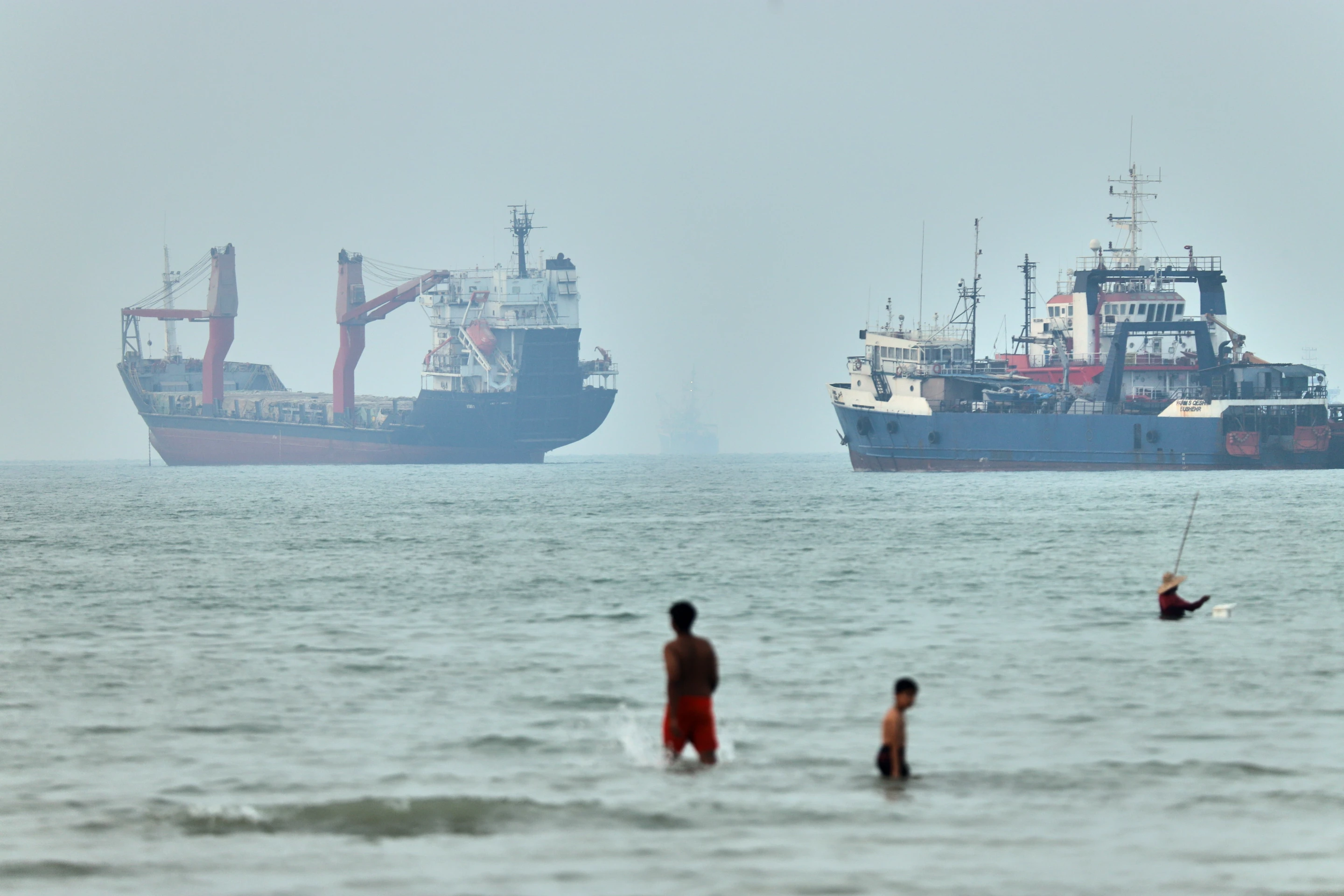
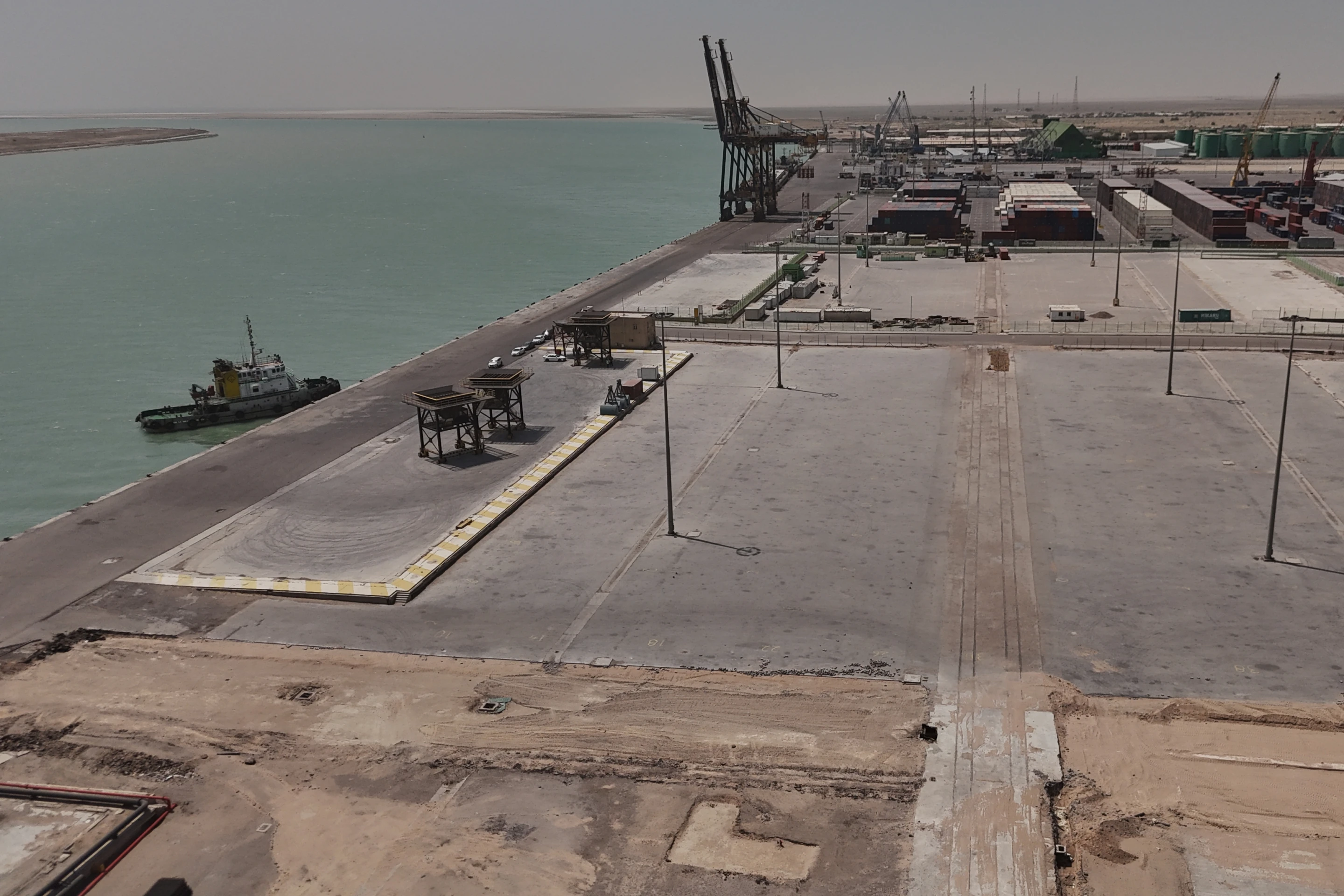
Iraq and Turkey have finalized a one-year agreement to continue operating the Iraq-Turkey oil pipeline, providing Baghdad with a critical alternative export route as disruptions in the Strait of Hormuz continue to limit Gulf shipping. The agreement allows crude oil to flow from northern Iraq's Kirkuk region to Turkey's Mediterranean port of Ceyhan, reducing Iraq's dependence on maritime exports through the Gulf. Iraqi officials described the deal as a strategic step to strengthen energy security and maintain export capacity during a period of heightened regional instability. The pipeline agreement follows months of negotiations after the previous long-term arrangement expired and comes as Iraq seeks to protect its economy from ongoing geopolitical risks affecting one of the world's busiest energy corridors. The renewed cooperation also reinforces economic ties between Ankara and Baghdad while ensuring uninterrupted operation of Iraq's only active crude oil export pipeline outside the Gulf.
Pipeline Capacity to Support Higher Oil Exports
Under the one-year agreement, the pipeline will reserve capacity for at least 750,000 barrels of crude oil per day, although current shipments remain significantly lower. The Iraq-Turkey Pipeline has a maximum capacity of around 1.5 million barrels per day, giving both countries room to increase exports if production and infrastructure permit. Turkish officials said the temporary arrangement provides time to negotiate a broader long-term energy partnership that could include expanding the pipeline to Iraq's southern oil fields and improving regional energy connectivity. The agreement was signed by Turkey's state pipeline operator BOTAS along with Iraq's state oil companies, reflecting the importance both governments place on preserving oil exports despite ongoing regional uncertainty. Energy analysts believe maximizing pipeline utilization could help stabilize Iraq's export revenues while reducing pressure on shipping routes affected by conflict in the Gulf.
The renewed agreement is particularly significant because Iraq has experienced a sharp decline in oil exports since disruptions in the Strait of Hormuz intensified. With Gulf shipping constrained, Baghdad has increasingly relied on overland infrastructure to move crude to international markets. The Kirkuk-Ceyhan pipeline had previously remained largely inactive because of legal disputes over Kurdish oil exports but has gradually resumed operations, making it an essential component of Iraq's export strategy. Officials believe expanding pipeline exports will improve supply reliability for European and Mediterranean markets while helping Iraq diversify transportation routes. Although the pipeline cannot fully replace Gulf export capacity, it offers an important safeguard against prolonged maritime disruptions and contributes to regional energy resilience.
Energy Cooperation Expected to Expand
Beyond the immediate extension, Iraq and Turkey intend to negotiate a comprehensive long-term agreement covering oil, natural gas, infrastructure, and cross-border energy investment. Turkish officials have proposed extending the existing pipeline to southern Iraqi oil-producing regions, potentially increasing overall transport capacity and strengthening regional energy integration. The two governments also discussed broader economic cooperation during recent high-level meetings, emphasizing the importance of secure energy supplies for both domestic markets and international customers. Industry observers expect further negotiations over pipeline expansion, commercial terms, and investment opportunities during the coming year. As uncertainty surrounding the Strait of Hormuz continues, both countries view stronger pipeline infrastructure as a strategic asset capable of supporting energy security and economic stability across the region.