
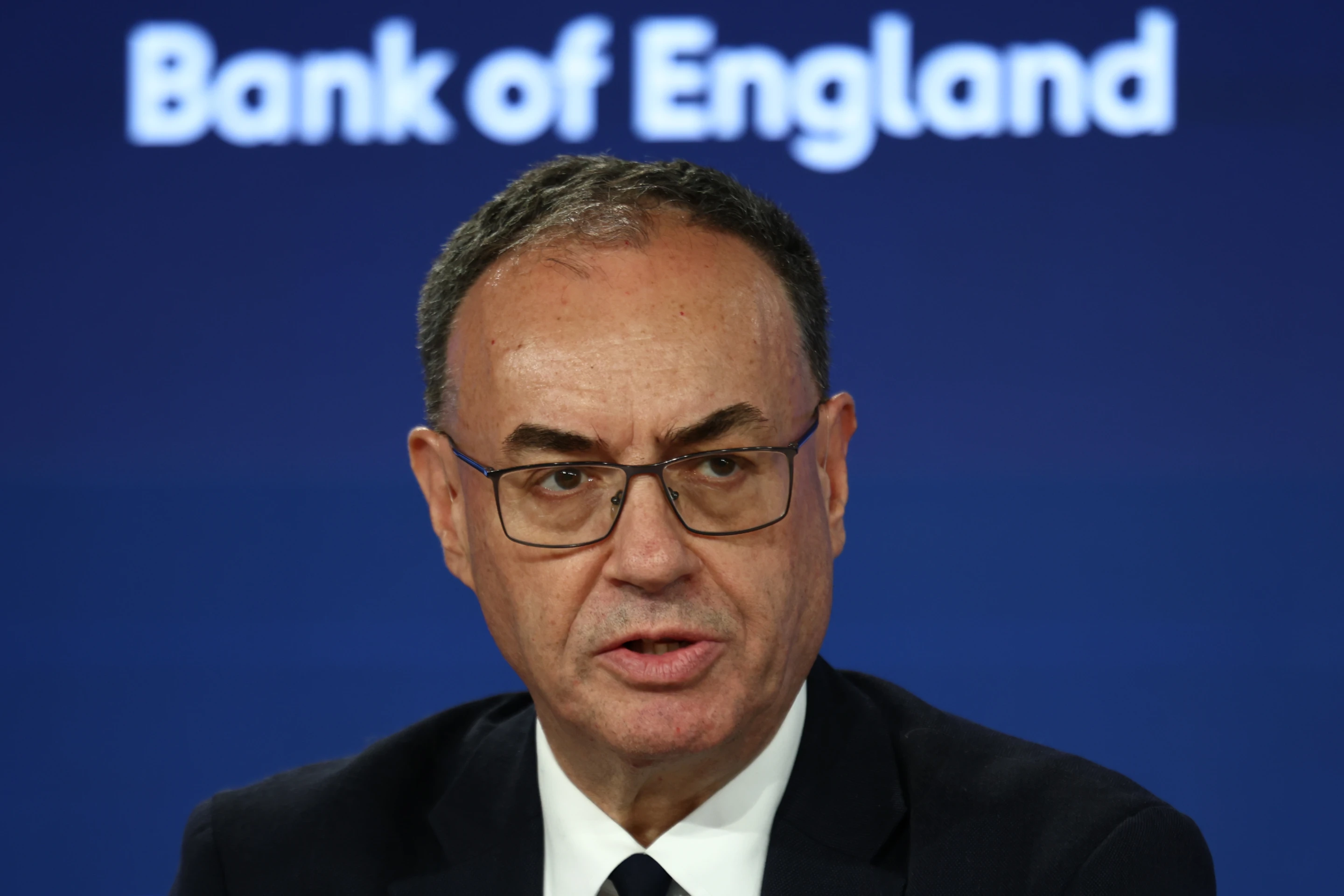
Bank of England Leaves Interest Rate Unchanged at 3.75% as Inflation Risks Persist
The Bank of England has maintained its benchmark interest rate at 3.75% for the fifth consecutive monetary policy meeting, signaling that policymakers remain cautious as inflation continues to exceed the central bank's long-term target. The decision reflects ongoing concerns over persistent price pressures despite signs that inflation has eased from previous peaks. Officials said holding rates steady allows more time to assess how earlier policy decisions are affecting the economy, household spending, and business investment. The Monetary Policy Committee noted that while economic growth has remained relatively stable, inflationary risks continue to pose challenges, particularly in the services sector and labor market. Financial markets had widely anticipated the decision, with investors closely watching the bank's guidance for clues about the timing of any future rate cuts. The announcement underscores the Bank of England's commitment to restoring price stability while avoiding unnecessary pressure on economic activity.
Policymakers Remain Focused on Inflation
In its policy statement, the Bank of England emphasized that inflation remains above the 2% target despite gradual improvements in recent months. Officials highlighted continued wage growth and resilient domestic demand as factors contributing to elevated price pressures. The central bank reiterated that future interest rate decisions will depend on incoming economic data rather than following a predetermined path. Governor Andrew Bailey stated that while progress has been made in reducing inflation, it is too early to declare victory, and policymakers remain prepared to adjust monetary policy if inflation proves more persistent than expected. Economists believe the decision reflects a balancing act between supporting economic growth and ensuring inflation returns sustainably to target over the medium term.
The decision is expected to influence borrowing costs for households and businesses across the United Kingdom. Mortgage rates are likely to remain elevated compared with recent years, while businesses may continue facing higher financing costs for investment and expansion. At the same time, savers could continue benefiting from relatively attractive deposit rates. Financial analysts said the unchanged policy rate provides stability for markets but also signals that the Bank of England is unlikely to begin easing monetary policy until inflation shows more convincing signs of slowing. Investors will now focus on upcoming inflation reports, employment figures, and wage data that could shape future policy decisions over the coming months.
Markets Watch for Future Rate Cuts
Financial markets are now looking ahead to the Bank of England's next policy meetings for indications of when interest rates could begin to decline. While many economists expect rate cuts later if inflation continues to moderate, policymakers have stressed that any easing will depend entirely on economic conditions. The central bank also acknowledged ongoing global uncertainties, including geopolitical tensions, energy prices, and international trade developments, which could affect inflation and economic growth. For now, maintaining the policy rate at 3.75% reflects the Bank's cautious approach as it seeks to balance slowing inflation with sustainable economic expansion and financial stability.