Investigation
In-depth investigative reports, exposes, and deep-dive journalism.
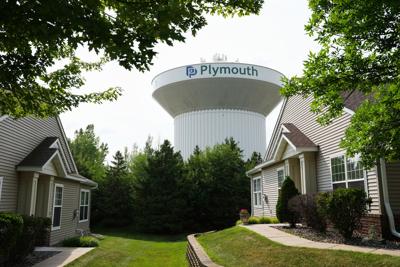
Cyberattacks Target Minnesota Water Systems as Officials Investigate Possible Iranian Hacker Links
Authorities are investigating a series of cyberattacks that targeted more than 30 water systems across Minnesota, raising concerns about the security of critical infrastructure in the United States. State officials and federal agencies are working to determine the source of the attacks, which affected operational technology used by local water utilities. While officials have not reported major disruptions to drinking water quality, the incidents have increased concerns about vulnerabilities within municipal infrastructure networks. The attacks reportedly affected systems responsible for managing water operations, including equipment used to monitor and control utility functions. In some communities, officials took precautionary measures while investigating the disruptions and ensuring that water services remained safe and reliable. Authorities said the incidents highlight the importance of strengthening cybersecurity protections for water systems, which often rely on aging technology and limited cybersecurity resources. Federal investigators, including cybersecurity officials and law enforcement agencies, are examining whether the attacks are connected to Iranian-linked hacking groups. The investigation follows previous warnings that hackers associated with Iran have shown increased interest in targeting critical infrastructure, including water and wastewater facilities. However, officials have emphasized that attribution remains under investigation and has not been officially confirmed. Cybersecurity experts say attacks against water systems represent a growing national security concern because these facilities directly support public health and essential services. Even when attackers do not cause physical damage, gaining access to operational systems can create serious risks by disrupting services, changing settings, or forcing utilities to temporarily operate manually. The Minnesota incidents have prompted renewed calls for stronger cybersecurity standards across local water utilities. Government agencies are encouraging operators to improve network protection, update vulnerable systems, and strengthen monitoring capabilities to prevent future attacks. The investigation into Minnesota’s water system cyberattacks comes as U.S. officials warn that hackers are increasingly targeting critical infrastructure networks. Water utilities, energy systems, transportation networks, and other essential services have become attractive targets because disruptions can create widespread public impact and increase pressure on governments. Officials have raised concerns that Iranian-linked cyber groups may be expanding their focus beyond traditional targets and attempting to disrupt civilian infrastructure. Previous cybersecurity advisories warned that attackers have targeted industrial control systems, including technology used by utilities to manage physical operations. The Minnesota attacks also highlight challenges faced by smaller municipal water systems. Many local utilities operate with limited budgets and may lack advanced cybersecurity teams or modern protection systems. Experts say improving defenses requires investment in technology upgrades, employee training, and stronger coordination between local governments and federal agencies. Cybersecurity officials are urging water operators to take preventive measures, including reducing unnecessary internet exposure of operational systems, strengthening password protections, monitoring suspicious activity, and maintaining emergency response plans. These steps are considered essential for reducing the risk of future cyber incidents. The broader investigation is expected to continue as authorities analyze technical evidence, identify potential attackers, and determine whether the incidents are part of a larger campaign. Officials have stressed that protecting critical infrastructure requires cooperation between government agencies, private companies, and local communities. The Minnesota water system attacks serve as another reminder that cybersecurity threats are no longer limited to computers and data networks. As essential services become increasingly connected through digital technology, protecting infrastructure from cyber threats has become a major national security priority.
• INVESTIGATION SPOTLIGHT DIGEST

Winnipeg Mosque Allegedly Targeted in Shooting as Police Investigate Possible Hate Crime
Police in Winnipeg are investigating an alleged shooting and vandalism attack at a mosque, with hate crime coordinators involved after reports of possible anti-Muslim targeting.
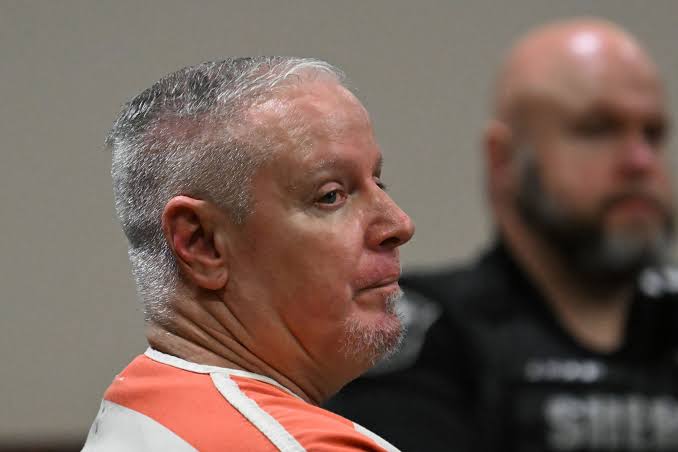
Father Who Gave Gun to Apalachee High School Shooter Sentenced to 15 Years in Prison
Colin Gray, father of the Apalachee High School shooter, was sentenced to 15 years in prison after being convicted for providing the firearm used in the deadly 2024 school attack.
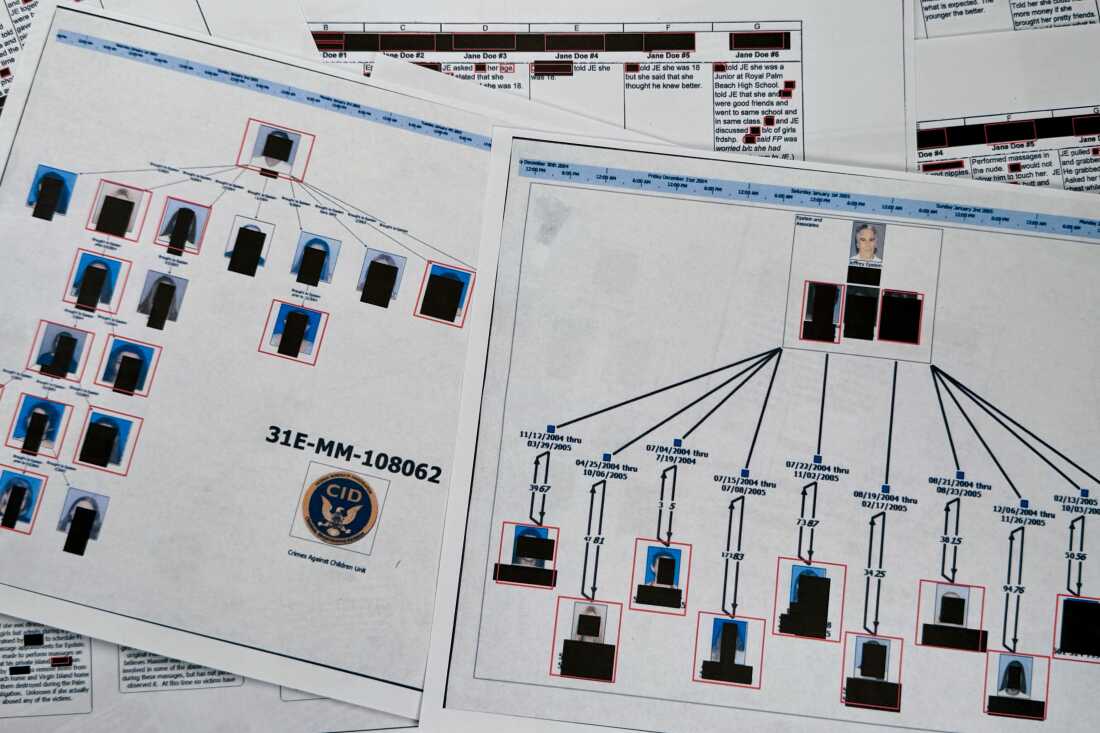
Investigation Reveals Decades of Sexual Misconduct Allegations at School Linked to Jeffrey Epstein Support
An independent investigation uncovered decades of sexual misconduct allegations involving former staff and affiliates of a Michigan arts school that received support from Jeffrey Epstein.
Florida AG Launches Investigation Into Fauci After Controversial Senate Hearing
Florida Attorney General James Uthmeier has launched an investigation into Dr. Anthony Fauci following a Senate hearing where Fauci faced questions over COVID-19 policies and related controversies.
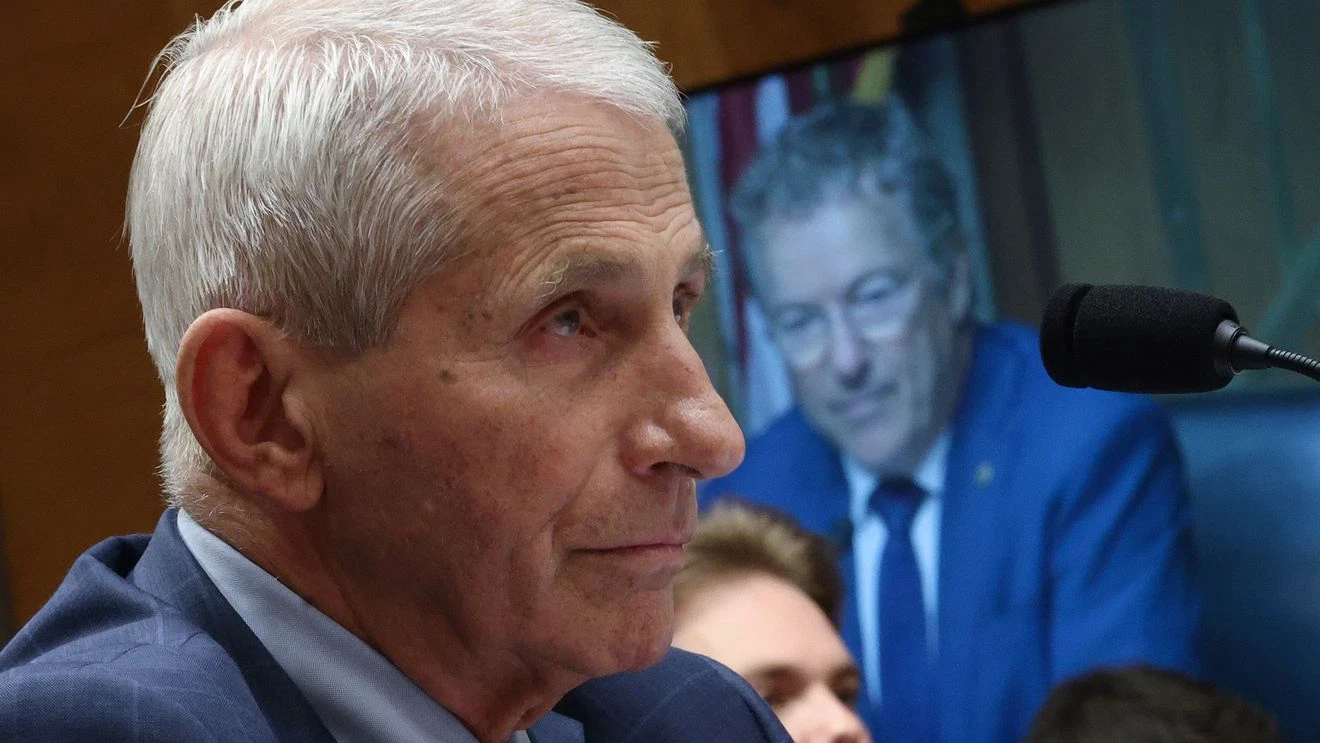
US and Iran Edge Toward Wider War After More American Troops Are Killed
The United States and Iran are moving closer to a broader conflict after additional American service members were killed, raising fears of a major regional war.