Technology
The intersection of innovation, AI, and the digital future.

Australian Watchdog Takes Legal Action Against Telegram Over Failure to Remove Violent Content
Australia’s online safety watchdog has filed legal proceedings against Telegram, accusing the messaging platform of failing to remove violent extremist material from its service. The case, brought by the Australian eSafety Commissioner, focuses on allegations that Telegram did not act quickly enough after being notified about harmful content, including material linked to extremist groups and violent attacks. The legal action represents a significant challenge for the global messaging platform as governments worldwide increase pressure on technology companies to take greater responsibility for content moderation. The regulator claims that certain violent and extremist videos remained available on Telegram despite complaints and requests for removal. Authorities have raised concerns about content connected to terrorist organizations, including videos related to mass shootings and extremist activities. Officials argue that digital platforms with large user communities must have effective systems to detect, review, and remove illegal or dangerous material to protect public safety. Telegram has rejected the allegations and said it remains committed to preventing terrorist content on its platform. The company has argued that it has taken steps to remove harmful communities and improve moderation practices while continuing to protect user privacy and freedom of expression. The legal dispute highlights the ongoing tension between technology companies and regulators over how online platforms should balance privacy, security, and content control. The case could have wider implications for social media and messaging platforms operating in Australia. Regulators are increasingly examining whether existing safety measures are sufficient to address the spread of extremist content online. The outcome may influence future policies and enforcement actions targeting digital platforms that fail to meet online safety requirements. The legal action against Telegram comes amid broader international concerns about how online platforms manage harmful content. Governments and regulators in several countries have been increasing efforts to hold technology companies accountable for extremist material, misinformation, and other forms of illegal content shared through digital services. Messaging platforms with large public channels and groups have faced particular scrutiny because harmful material can spread quickly among large audiences. Australia’s case is based on claims that Telegram did not adequately respond to reports about violent extremist content. The eSafety Commissioner has argued that platforms must have stronger systems in place to identify and remove dangerous material before it reaches more users. Officials say that delayed action can increase risks by allowing extremist content to remain accessible for extended periods. The dispute also raises broader questions about the responsibilities of technology companies in managing user-generated content. Platforms often face challenges in detecting harmful material while avoiding excessive restrictions on lawful communication. Privacy-focused services such as Telegram have historically emphasized secure communication and limited interference, while regulators argue that safety obligations must remain a priority. As artificial intelligence and digital communication tools continue to expand, governments are expected to introduce more regulations aimed at improving online safety. The Telegram case could become an important example of how authorities enforce digital safety laws and how technology companies respond to increased oversight. The outcome of the legal proceedings may influence future relationships between governments and online platforms. Companies operating messaging services may face stronger expectations to improve moderation systems, increase transparency, and respond faster to reports involving violent or extremist content.
• TECHNOLOGY SPOTLIGHT DIGEST

EU Announces $11.4 Billion Investment for Seven AI Gigafactories to Compete With US and China
The European Union plans to invest $11.4 billion in seven AI gigafactories to expand computing capacity, strengthen digital independence, and compete with the United States and China in artificial intelligence.
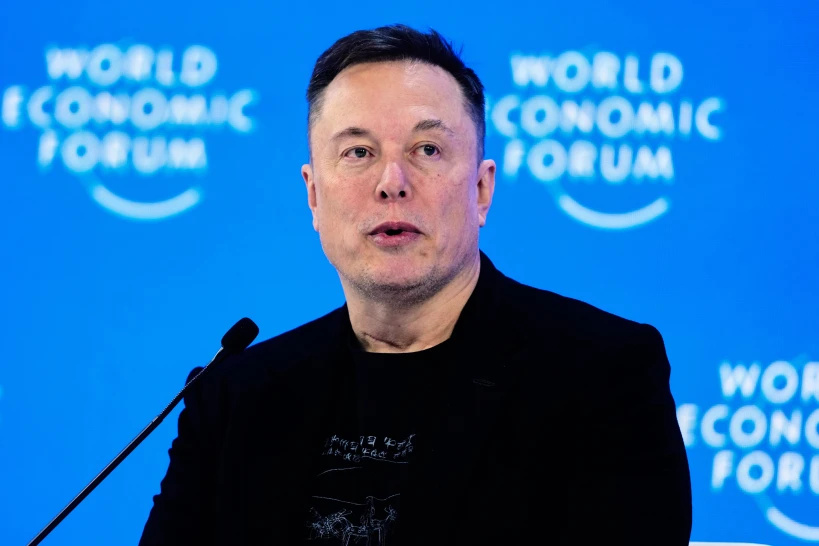
Elon Musk’s xAI Sues Minnesota Over AI ‘Nudification’ Ban Law as Regulation Battle Intensifies
Elon Musk’s xAI has filed a lawsuit challenging Minnesota’s first-in-the-nation law banning AI-powered “nudification” technology, arguing the legislation is overly broad and restricts innovation.

Microsoft Beats Wall Street Expectations With $90 Billion Revenue as AI and Cloud Growth Accelerate
Microsoft exceeded Wall Street forecasts with $90 billion in revenue, driven by strong cloud computing performance, artificial intelligence investments, and growing demand for technology services.
Human-Caused Climate Change Increased Likelihood of Spanish and French Wildfires, Scientists Find
Scientists say human-driven climate change significantly increased the chances of extreme wildfires in Spain and France by creating hotter, drier conditions that intensified fire risks.

Chinese AI Model Surprises US Tech Industry With Capabilities Rivaling Claude and ChatGPT
A new Chinese artificial intelligence model is challenging the global AI race with performance rivaling ChatGPT and Claude, surprising the US technology industry and intensifying competition.

Japan’s Tech Giant SoftBank Rolls Out OpenAI-Powered ‘Patches’ Against Cyberattacks
SoftBank has launched an OpenAI-powered cybersecurity service in Japan designed to identify vulnerabilities and help protect critical infrastructure from increasingly sophisticated AI-driven cyberattacks.

Canadian Prime Minister Mark Carney Says US AI Restrictions Highlight Risks of Technology Dependence
Canadian Prime Minister Mark Carney warned that recent US restrictions on artificial intelligence technologies highlight the risks countries face when relying heavily on foreign technology infrastructure, stressing the need for greater domestic innovation and technological sovereignty.

Nvidia Bets on AI Personal Computers With New Superchip for Windows Laptops
Nvidia has unveiled a powerful new AI-focused superchip designed for Windows laptops, signaling the company’s aggressive push into the rapidly expanding market for artificial intelligence-powered personal computers.
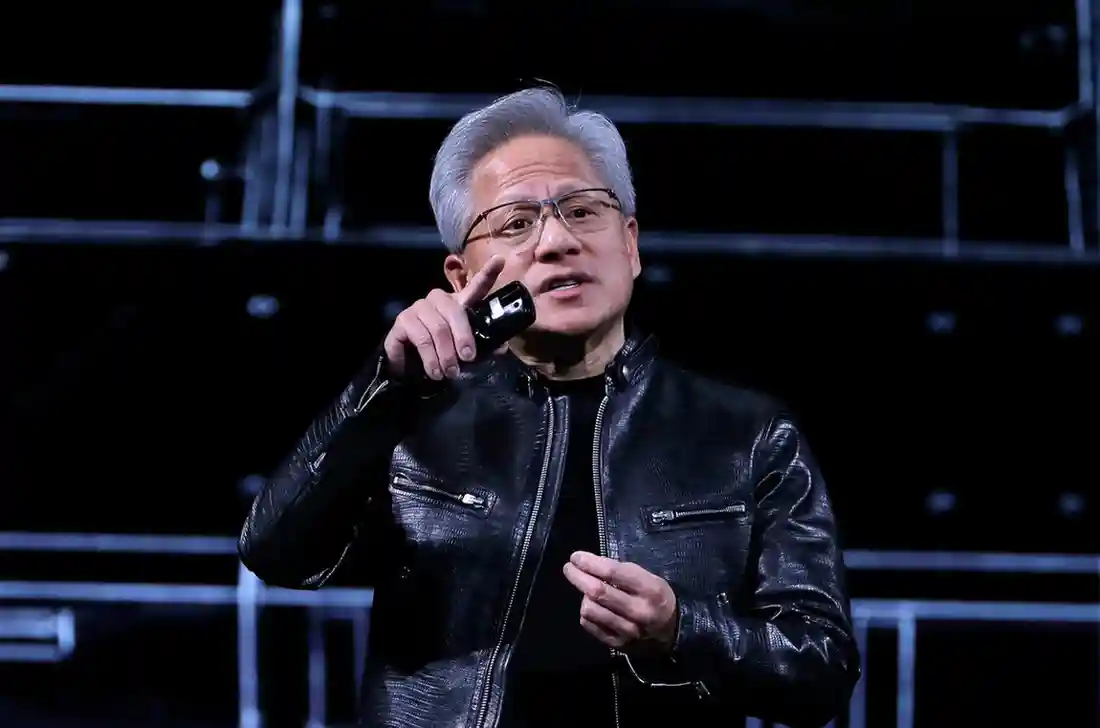
Pope Forms AI Study Group Ahead of First Vatican Encyclical
The Pope has established a special artificial intelligence study group as the Vatican prepares to release his first encyclical, signaling growing Church attention to the ethical and societal impact of emerging technologies.

Google’s New Fitbit Air Focuses on 24/7 Health Tracking Without a Screen
Google unveiled the Fitbit Air, a lightweight screenless fitness tracker with AI-powered health coaching, sleep monitoring, and continuous wellness tracking features.

Why OpenAI says it isn’t spending on Super PACs
OpenAI explains why the organization itself isn’t spending on super PACs amid rising political activity by rivals and its own executives’ donations.

Did artificial intelligence really drive layoffs at Amazon and other firms? It can be hard to tell
Tech layoffs at Amazon and other firms are often blamed on AI, but economists say deeper factors like cost-cutting, overhiring during the pandemic, and shifting business strategies play a bigger role.

Social Media Giants Face Jury for First Time Over Youth Addiction Claims
A landmark California trial puts social media companies before a jury over claims their platforms are addictive and harm young users’ mental health.

Google Agrees to $68M Settlement After Claims Its Voice Assistant Spied on Users
Google agreed to pay $68 million to settle a class-action lawsuit claiming its voice assistant invaded users’ privacy. The settlement, filed in federal court in San Jose, must be approved by Beth Labson Freeman. If approved, the money will be shared among eligible users who owned Google devices after May 18, 2016.

U.S. Approves Annual Export License for TSMC’s Nanjing Chip Facility
The United States has approved an annual export license allowing TSMC to continue operating its chip manufacturing facility in Nanjing, China, amid ongoing technologynology and security tensions.

‘Robotaxi, Optimus and Then Hopefully…’: Elon Musk on What to Expect From Tesla and SpaceX in 2026
Elon Musk outlined ambitious plans for 2026, pointing to Tesla’s robotaxi push, the Optimus humanoid robot, and continued progress at SpaceX as key priorities.

CES 2026: What to Expect When technology’s Biggest Conference Starts on January 4
CES 2026 is set to kick off January 4 in Las Vegas, with artificial intelligence, mobility, health technology and next-generation consumer devices expected to dominate the agenda.

Apple's Fitness Trainers Are Posing With Newspapers to Tease Something ‘Big’
Apple Fitness+ trainers have sparked speculation by posing with newspapers hinting at something ‘big,’ fueling anticipation about a potential announcement or new feature.

IDC Warns PC Market Could Shrink Up to 9% in 2026 as Skyrocketing RAM Prices Hit Demand
IDC warns the global PC market could contract sharply in 2026, with soaring RAM prices driven by AI demand pushing shipments down as much as 9%, even under moderate forecasts.

Russia Sends 3 Iranian Satellites Into Orbit, Report Says
Russia has launched three Iranian satellites into orbit, according to reports, marking a significant step in space cooperation between the two countries amid ongoing geopolitical tensions.

Samsung to Host Standalone Showcase at CES at the Wynn Las Vegas
Samsung will host a standalone showcase at the Wynn Las Vegas during CES, highlighting its latest innovations outside the main convention floor.

Virtual Reality Opens Doors for Older People to Build Closer Connections in Real Life
Virtual reality is helping older adults reduce isolation and strengthen real-world relationships by creating shared experiences that translate beyond the headset.

technology Weekly: Micron Rises on Latest Results, Trump Media Jumps on TAE Merger
Micron shares climbed after strong earnings results, while Trump Media surged on news of a merger with TAE, highlighting a volatile but eventful week for technologynology stocks.

One technology Tip: Do’s and Don’ts of Using AI to Help With Schoolwork
Artificial intelligence can be a helpful study tool, but students need to understand the do’s and don’ts to use AI responsibly without crossing academic integrity lines.