Sanchez Battles EU Criticism as Ceuta Crisis Raises Political Pressure
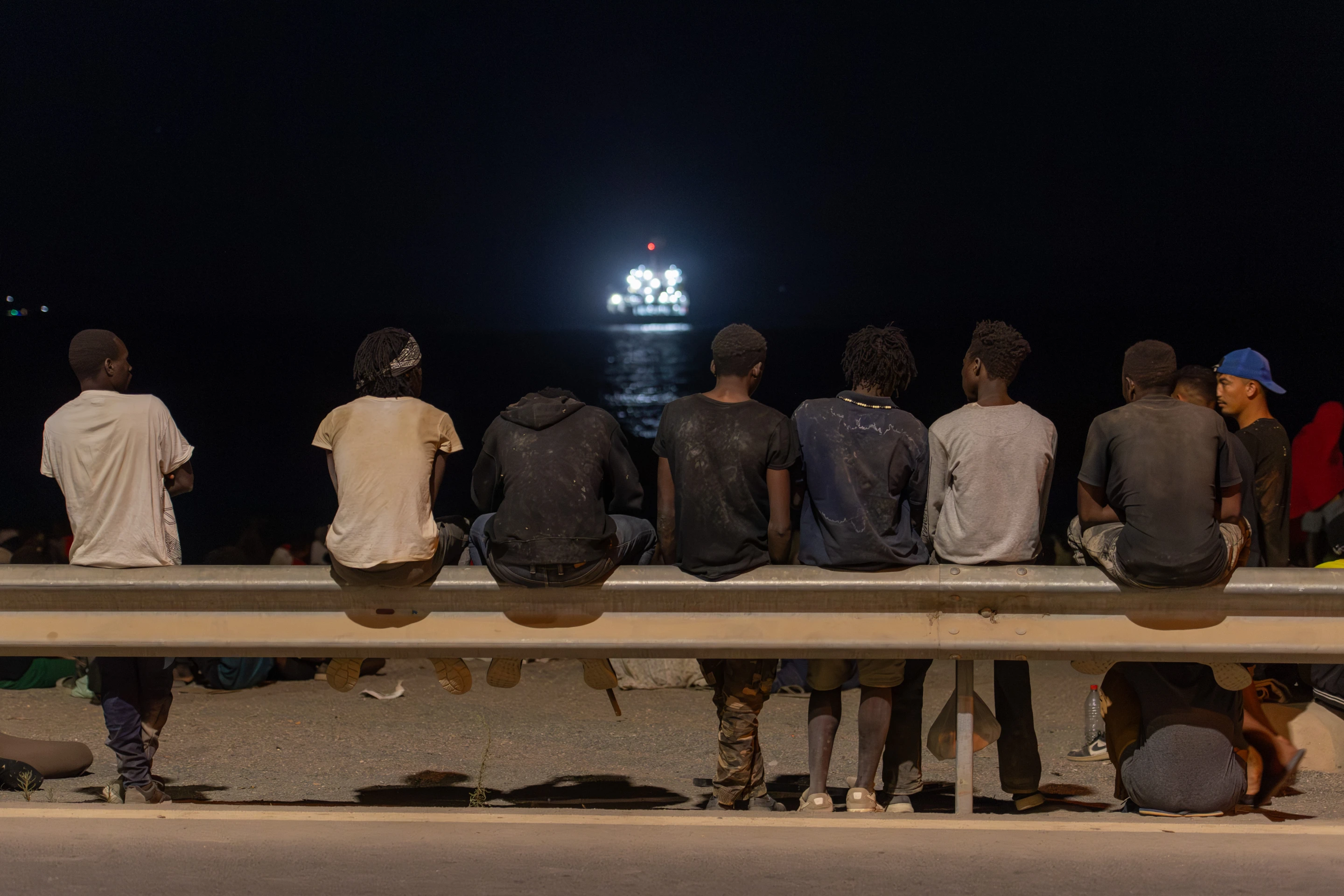
Spanish Prime Minister Pedro Sanchez is facing growing political pressure from European Union officials and domestic opponents over his government's response to the Ceuta crisis. The dispute has sparked a heated debate within the EU over border security, migration management, and Spain's approach to protecting its territories. Sanchez has defended his administration's actions, arguing that Spain has followed legal procedures while maintaining humanitarian commitments. The controversy has placed renewed attention on Ceuta, a Spanish autonomous city on the northern coast of Africa that has long been a focal point in discussions about European borders and migration flows. EU officials and political groups have criticized aspects of Spain's handling of the crisis, demanding greater transparency and stronger measures to address security concerns. Supporters of Sanchez argue that the government is navigating a complex situation involving diplomatic challenges, humanitarian responsibilities, and regional stability. The prime minister has insisted that Spain remains committed to cooperation with European partners while protecting its territorial interests.
EU Leaders Question Spain’s Crisis Management
The criticism directed at Sanchez comes as European policymakers debate how member states should respond to border challenges affecting the bloc. Several EU figures have raised concerns about Spain's management of the Ceuta situation, particularly regarding border controls and the treatment of migrants. Critics argue that stronger coordination between Spain and European institutions is needed to prevent future crises. The Spanish government has rejected claims that it failed to meet its responsibilities, emphasizing that security operations have been carried out within national and European legal frameworks. Sanchez has called for unity among EU countries, saying migration challenges require shared solutions rather than individual national responses. The dispute has highlighted wider divisions within the European Union over migration policies, with some governments favoring stricter border enforcement while others emphasize humanitarian protections.
The Ceuta crisis has also intensified political debate inside Spain, where opposition parties have accused Sanchez's government of mishandling the situation. Critics argue that the administration has not provided sufficient clarity about its strategy and has weakened Spain's position in negotiations with European partners. Government officials, however, maintain that the prime minister's approach balances security needs with diplomatic engagement. Sanchez's supporters say his government has worked to strengthen cooperation with neighboring countries and EU institutions to manage migration pressures. The controversy has become another challenge for Sanchez as he attempts to maintain political stability while addressing complex foreign policy issues. The prime minister has continued defending his record, arguing that Spain's response reflects both responsibility and commitment to European cooperation.
Ceuta Remains a Strategic European Border Issue
Beyond the immediate political dispute, the Ceuta crisis highlights broader challenges facing Europe’s external borders. Located next to Morocco, Ceuta represents one of the EU’s few land borders on the African continent, making it strategically important for migration and security policies. European officials are expected to continue discussions on improving border coordination and establishing long-term approaches to migration management. Analysts say the crisis demonstrates the difficulty of balancing national security, humanitarian obligations, and EU-wide cooperation. For Sanchez, the coming weeks will be critical as he seeks to defend his government's position while responding to criticism from both European partners and political opponents at home. The outcome could influence future debates over Spain’s role in European migration policy and border protection.