
EU Plans Major Investment in AI Gigafactories to Boost Computing Power
The European Union is accelerating its artificial intelligence ambitions with a major investment plan focused on building seven AI gigafactories across the region. The initiative, backed by approximately $11.4 billion in funding, aims to expand Europe’s computing capacity and help the bloc compete with artificial intelligence leaders such as the United States and China.
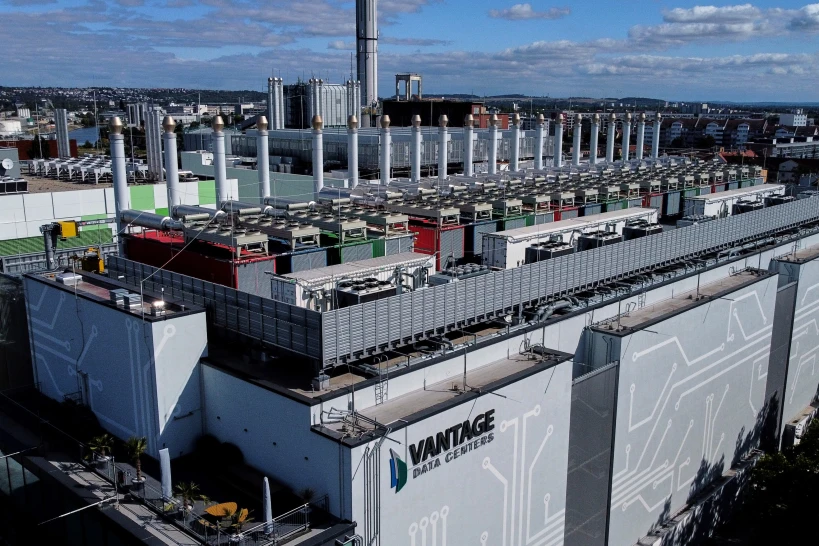
AI gigafactories are designed to provide the enormous computing power required for developing advanced AI models, training large language systems, and supporting next-generation digital technologies. These facilities will combine powerful processors, advanced data infrastructure, and high-performance computing systems to support European researchers, startups, and businesses.
The investment reflects growing concerns in Europe that the continent has fallen behind in the global AI race. While US technology companies have made significant progress through massive investments in AI infrastructure, and China has rapidly expanded its artificial intelligence ecosystem, European companies have faced challenges accessing the computing resources needed to compete.
European policymakers believe building domestic AI infrastructure is essential for technological independence and economic security. By increasing access to advanced computing facilities, the EU hopes to encourage innovation, attract AI talent, and strengthen its position in the global technology market.
The gigafactories are expected to support a wide range of industries, including healthcare, manufacturing, finance, energy, transportation, and scientific research. These facilities could help European companies develop AI solutions without relying heavily on foreign infrastructure providers.
The investment represents one of Europe’s largest efforts to establish itself as a major player in artificial intelligence and reduce dependence on external technology ecosystems.
Europe Seeks Strategic Advantage in the Global AI Competition
The global artificial intelligence race has become a major economic and geopolitical competition, with governments investing heavily in infrastructure, research, and talent development. The EU’s AI gigafactory plan is part of a broader strategy to secure a stronger role in the rapidly expanding AI economy. The United States currently leads many areas of AI development, supported by major technology companies, advanced semiconductor firms, and significant private investment. Companies developing cutting-edge AI models require access to massive computing resources, making data centers and specialized chips critical assets. China has also invested heavily in artificial intelligence, developing domestic AI systems and expanding its technology infrastructure. The competition between the US and China has increased pressure on other regions to strengthen their own AI capabilities. For Europe, the challenge has been balancing innovation with strict regulatory frameworks. The EU has introduced some of the world’s most comprehensive AI regulations, focusing on transparency, safety, and responsible technology development. However, officials recognize that regulation alone is not enough without the infrastructure needed to build competitive AI systems. The planned gigafactories aim to provide researchers and companies with easier access to advanced computing resources. This could allow European startups to compete more effectively and help universities conduct large-scale AI research. The initiative also supports Europe’s goal of developing a more independent technology ecosystem. By investing in AI infrastructure, the EU hopes to create new economic opportunities while reducing reliance on foreign technology providers.
AI Infrastructure Investment Could Transform Europe’s Technology Future
The development of AI gigafactories could significantly impact Europe’s technology landscape by creating a foundation for future innovation. Advanced computing infrastructure is becoming increasingly important as artificial intelligence expands into more industries and applications. European businesses are expected to benefit from improved access to AI resources, allowing them to develop new products, automate operations, and improve research capabilities. Industries such as healthcare could use AI for medical discoveries, while manufacturers could apply artificial intelligence to improve production efficiency. The investment could also strengthen Europe’s semiconductor and cloud computing sectors. AI systems depend on powerful chips and specialized infrastructure, creating opportunities for technology companies involved in hardware, software, and data services. However, building AI gigafactories will require overcoming several challenges, including high construction costs, energy demands, and competition for skilled AI professionals. Ensuring sustainable power supplies and maintaining advanced facilities will be essential for long-term success. Despite these challenges, European leaders view AI infrastructure as a strategic investment in the future economy. As artificial intelligence becomes a central driver of innovation, countries and regions with strong computing capabilities are likely to gain a competitive advantage. The EU’s $11.4 billion AI gigafactory initiative signals Europe’s determination to become a stronger force in global artificial intelligence and compete with the world’s leading technology powers.