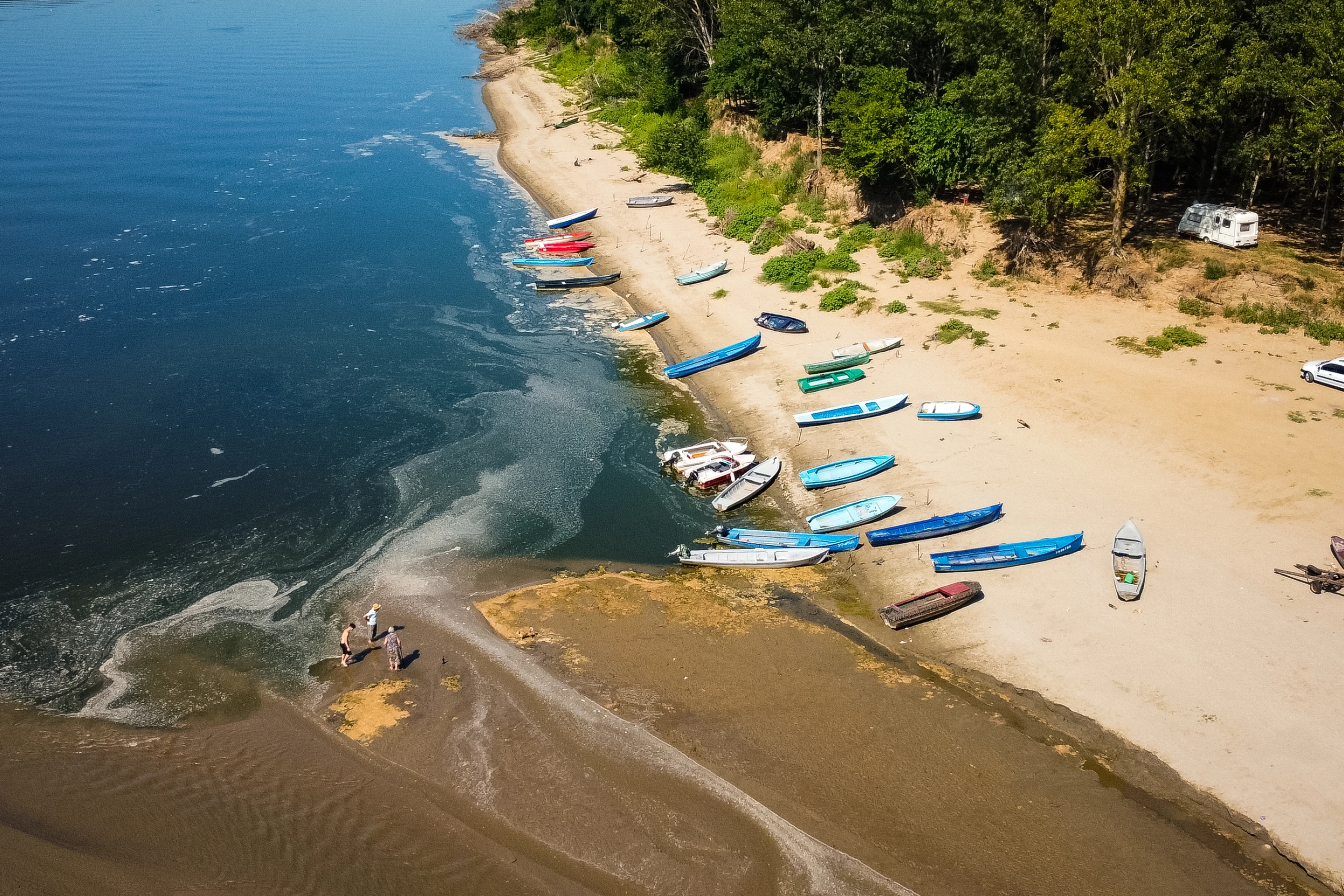
The Danube River, one of Europe’s most important waterways, has reached record-low levels as Central Europe faces prolonged drought and extreme heat. The declining water levels are creating significant challenges for tourism operators, shipping companies, and industries that depend on the river for transportation and economic activity.
The Danube connects multiple European countries and serves as a critical trade route for transporting goods, including agricultural products, raw materials, and industrial supplies. However, reduced water levels have forced vessels to carry lighter loads, increasing transportation costs and slowing supply chains. Tourism businesses along the river have also been affected. River cruises, which attract millions of visitors each year, have faced operational difficulties as shallow waters make navigation more complicated. Some operators have been forced to adjust routes, reduce schedules, or make alternative arrangements for passengers.
Communities located along the Danube rely heavily on tourism income, making the decline in river activity a major economic concern. Restaurants, hotels, local businesses, and tour operators are experiencing the effects of reduced visitor activity during what is normally a busy travel season. Climate experts have warned that rising temperatures and changing rainfall patterns are increasing the frequency of extreme weather events across Europe. Longer periods of heat and limited rainfall are placing additional pressure on rivers, reservoirs, and water resources. The Danube’s current condition highlights the growing impact of climate-related challenges on transportation networks and local economies. As drought conditions continue, businesses and governments are searching for ways to adapt to increasingly unpredictable weather patterns.
Drought and Heatwave Conditions Put Pressure on Central Europe
Central Europe has experienced intense heat and dry conditions that have contributed to falling river levels across the region. The combination of limited rainfall and high temperatures has reduced water availability, affecting agriculture, energy production, and industrial operations. The Danube plays a crucial role in supporting industries located along its banks. Many companies use the river for transporting materials because shipping by water is often more efficient and cost-effective than road or rail alternatives.
However, low water levels have created logistical problems. Cargo vessels must reduce their loads to avoid running aground, meaning more trips are required to transport the same amount of goods. This increases fuel costs, delivery times, and operational expenses for businesses. Energy companies have also been monitoring the situation closely. Some power plants rely on river water for cooling systems, making water availability an important factor in energy management during extreme weather conditions. Farmers and agricultural communities are facing additional challenges as drought affects crop growth and water supplies. Reduced rainfall combined with high temperatures has increased concerns about harvest conditions and food production.
Scientists say climate change is contributing to more frequent and severe heatwaves, increasing pressure on Europe’s water systems. Governments are investing in adaptation strategies, including improved water management and infrastructure upgrades, to prepare for future climate challenges. The Danube’s record-low levels serve as another warning sign of how extreme weather events can affect multiple sectors of the economy.
Europe Searches for Long-Term Solutions to Climate Challenges
The impact of the Danube River’s decline has renewed discussions about how Europe can better prepare for climate-related disruptions. Governments, businesses, and environmental organizations are exploring solutions to protect critical waterways and reduce economic risks. Possible measures include improving river management systems, upgrading transportation infrastructure, and developing strategies to make industries more resilient during periods of drought.
For tourism operators, adapting to changing river conditions may require flexible travel plans and alternative experiences that are less dependent on water levels. Shipping companies may need to invest in more efficient vessels designed to operate in lower water conditions.
The situation also highlights the importance of addressing long-term climate trends. While individual drought events are influenced by weather patterns, scientists have linked increasing heat intensity and changing precipitation patterns to broader climate changes. The Danube is not only a natural resource but also a vital economic connection between European nations. Protecting the river system is becoming increasingly important for trade, tourism, agriculture, and environmental sustainability.
As Central Europe continues experiencing extreme heat and drought conditions, the challenges facing the Danube could become more common in the future. The current crisis demonstrates the need for stronger climate adaptation strategies and cooperation among countries sharing the river. The record-low water levels serve as a reminder that climate impacts are already affecting daily life, economic activity, and essential infrastructure across Europe.