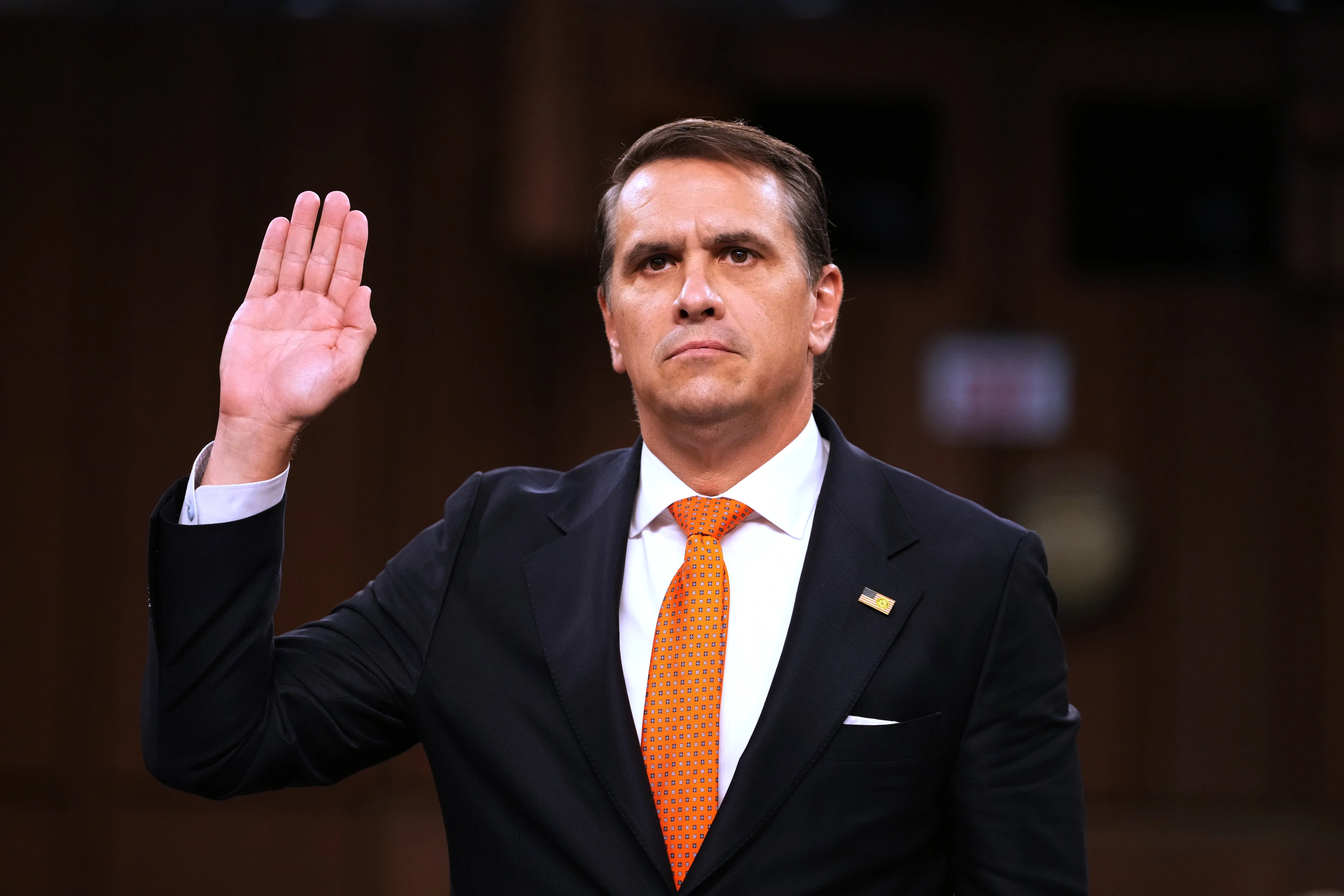
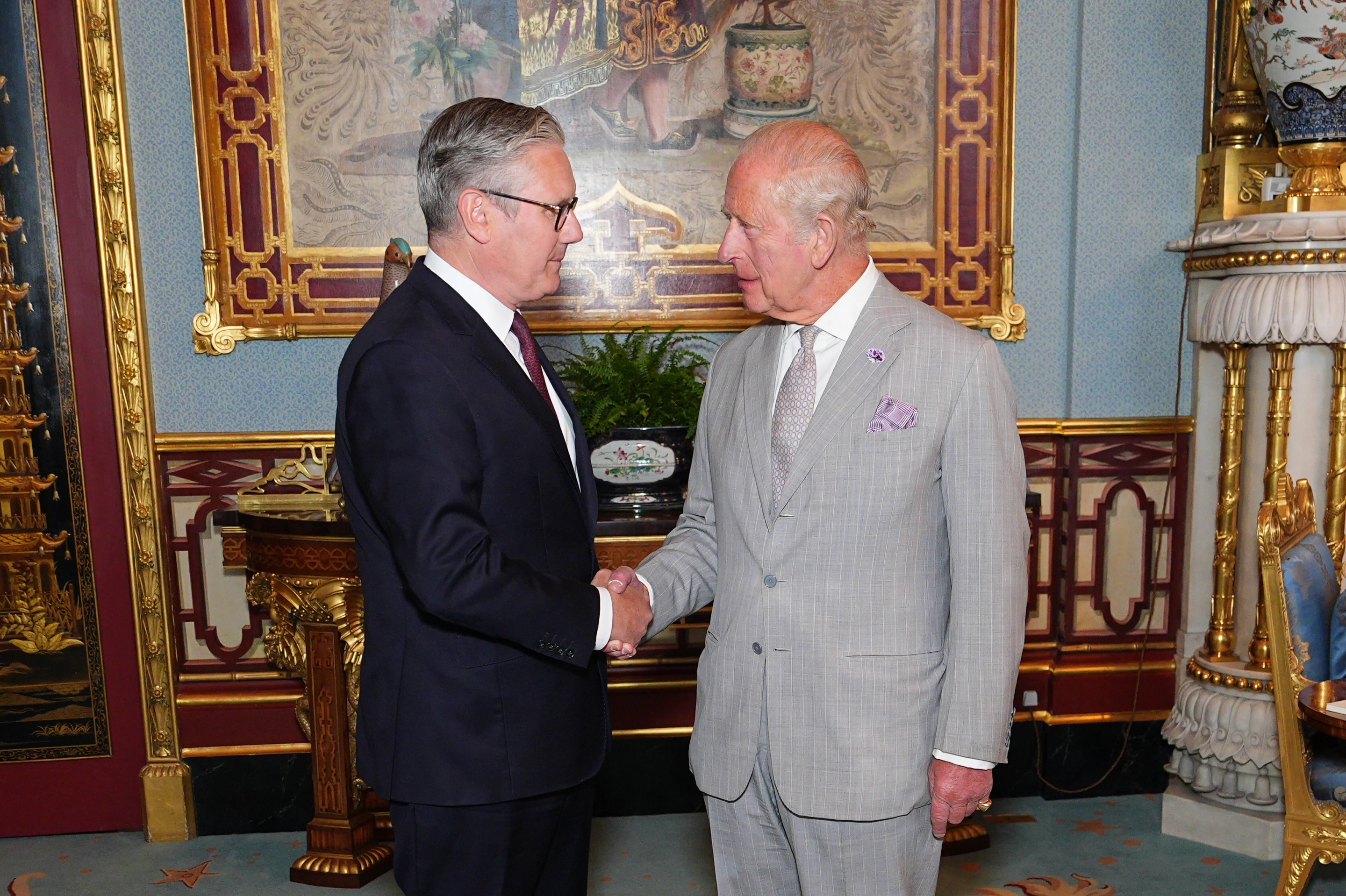
The United Kingdom has entered a new political era as Andy Burnham becomes the country’s seventh prime minister in just ten years following the resignation of Keir Starmer. Burnham, the former mayor of Greater Manchester and newly appointed Labour leader, took over at Downing Street after a period of internal pressure and political challenges for Starmer’s government.
The leadership change highlights the continued political instability that has shaped British politics over the past decade, with successive prime ministers facing challenges ranging from economic pressures and public dissatisfaction to internal party divisions. Burnham now inherits a government facing major issues, including the cost-of-living crisis, pressure on public services, and demands for stronger economic growth.
Known as the “King of the North” because of his long political career and leadership in Greater Manchester, Burnham has promised to bring greater stability and focus on improving living standards. His first major task will be rebuilding confidence in the Labour government while setting out his vision for the future of Britain.
Burnham Takes Charge After Starmer’s Sudden Departure
Andy Burnham’s rise to Downing Street marks a dramatic change in Britain’s political landscape. After Keir Starmer resigned following growing internal pressure and declining support, Burnham emerged as the successor and became Labour’s new leader before taking office as prime minister.
Burnham’s political career spans more than two decades, including senior roles in previous Labour governments and several years as mayor of Greater Manchester. His experience in local government has shaped his political identity, with a strong focus on regional development, public services, and giving greater decision-making power to local communities.
His appointment comes at a challenging moment for the Labour government. Although the party secured power under Starmer, dissatisfaction grew over economic conditions, government decisions, and questions about leadership direction. Burnham now faces the task of restoring public trust while maintaining Labour’s position ahead of future electoral challenges.
The transition also reflects broader concerns about political stability in Britain. Over the last decade, the country has experienced frequent leadership changes, with prime ministers leaving office due to elections, resignations, or internal party disputes. Burnham becoming the seventh prime minister in ten years demonstrates the level of political turnover that has affected Westminster.
In his first statements as leader, Burnham emphasized the need for stability, economic improvement, and a renewed connection between government and the public. He has promised a long-term approach focused on addressing major national challenges rather than short-term political decisions. However, analysts say Burnham’s leadership will face immediate tests. He must manage expectations within his own party, respond to opposition criticism, and demonstrate that his government can deliver meaningful improvements. His background as a regional leader may help him connect with voters outside London, but governing the entire United Kingdom will present a much larger challenge.
New Prime Minister Faces Economic and Public Service Challenges
Andy Burnham enters Downing Street with a long list of challenges that will define his early leadership. The UK economy remains one of his biggest priorities, with households continuing to face concerns over living costs, energy prices, housing affordability, and wage growth. Burnham has argued that Britain needs a long-term economic strategy focused on investment, regional development, and improving public services. During his time leading Greater Manchester, he promoted greater local control over transport, healthcare coordination, and economic planning. He is expected to bring a similar approach to national government. One of the immediate issues facing his administration will be restoring confidence in public services. The National Health Service, transportation networks, and local government systems have faced significant pressure in recent years. Burnham has frequently highlighted the importance of improving public infrastructure and ensuring that government decisions benefit communities across the country. Economic growth will also be central to his agenda. Britain has struggled with weak productivity growth, regional inequality, and uncertainty affecting businesses. Burnham has indicated that his government will focus on long-term planning rather than short-term policies, aiming to create stronger foundations for future economic performance. The new prime minister must also balance spending commitments with financial pressures. Promises to improve services and reduce household costs require careful management of government finances. Investors, businesses, and international partners will closely watch Burnham’s economic policies to assess whether they create stability and confidence.
Political opponents are expected to challenge Burnham’s plans, questioning whether his proposals can be delivered without increasing costs or taxes. Supporters argue that his experience outside Westminster gives him a practical understanding of the challenges facing ordinary communities. The early months of his government will likely determine whether Burnham can successfully shift public opinion and establish himself as a leader capable of delivering lasting change.
Britain Looks for Stability After Years of Political Turmoil
Burnham’s appointment comes after a decade marked by frequent changes in British leadership. The country has experienced multiple prime ministers dealing with major events including Brexit, economic disruptions, global conflicts, and domestic political divisions.
This history of political turnover has created public demand for greater stability. Many voters have expressed frustration with governments changing direction frequently and failing to deliver long-term solutions. Burnham has positioned himself as a leader focused on rebuilding trust and creating a more consistent approach to governing.
A major part of his challenge will be uniting the Labour Party. Internal divisions have previously affected the party’s public image, and Burnham will need to balance different viewpoints within Labour while maintaining a clear policy direction. His leadership style, which emphasizes negotiation and regional representation, will be closely tested at the national level. Foreign policy will also be an important area for the new government. Britain continues to manage relationships with European allies, security partners, and global economic powers. Burnham will need to maintain international credibility while focusing on domestic priorities.
Foreign policy will also be an important area for the new government. Britain continues to manage relationships with European allies, security partners, and global economic powers. Burnham will need to maintain international credibility while focusing on domestic priorities.
The opposition parties are expected to use the leadership change as an opportunity to criticize Labour’s record and present alternative visions for the country. With political competition increasing, Burnham’s ability to communicate his plans effectively will be essential.
Despite the challenges, supporters believe Burnham’s background gives him a unique perspective on Britain’s regional inequalities and public concerns. His supporters argue that his experience as a mayor allows him to approach national problems with practical solutions. The success of his premiership will depend on whether he can transform promises of stability into measurable results. After years of political change, many Britons will be watching closely to see whether Burnham can deliver a new chapter for the United Kingdom. Andy Burnham’s arrival as UK prime minister marks another major shift in British politics and makes him the nation’s seventh leader in a decade. Following Keir Starmer’s resignation, Burnham faces the challenge of restoring political stability, improving the economy, and rebuilding public confidence.
His leadership will be judged by whether he can move beyond political turbulence and deliver lasting improvements for communities across Britain.