Climate Change Intensifies Wildfire Conditions Across Spain and France
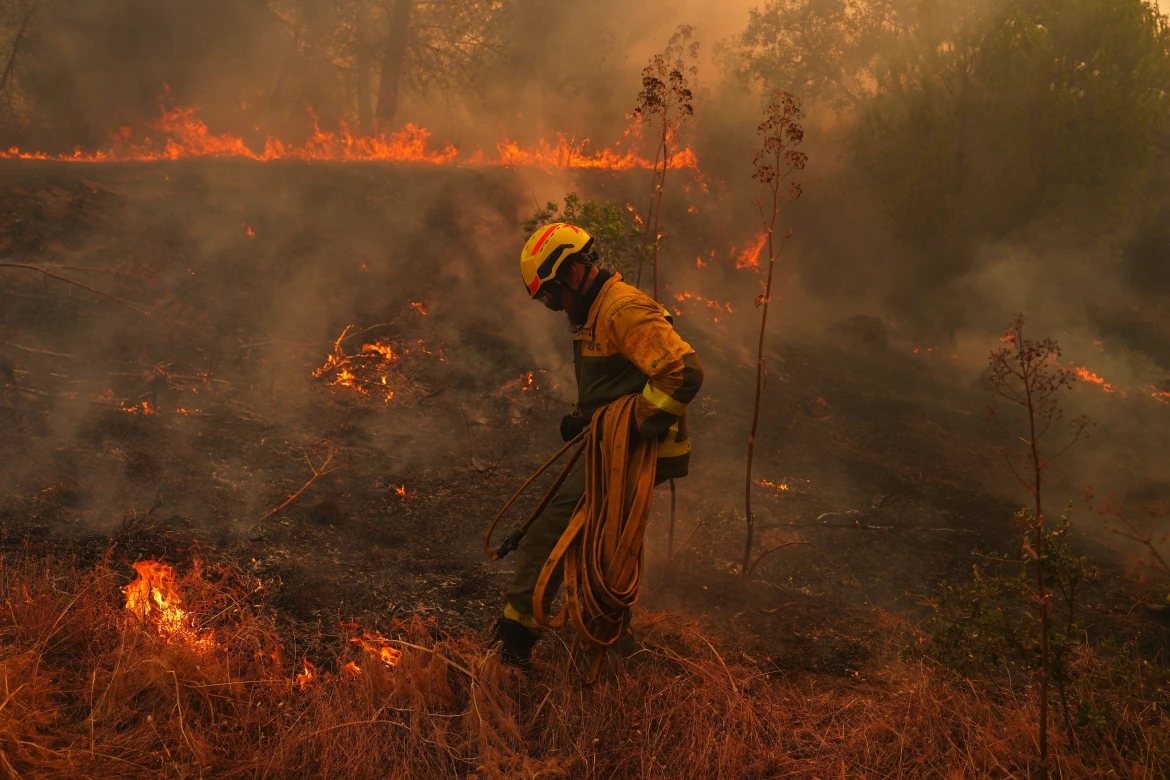
Human-caused climate change has made severe wildfires in Spain and France much more likely, according to new scientific assessments examining the role of rising global temperatures in extreme fire events. Researchers found that climate change contributed to hotter temperatures, drier landscapes, and increased vegetation stress, creating conditions that allow wildfires to spread more easily and burn with greater intensity. The findings highlight how the changing climate is influencing the frequency and severity of extreme weather events across Europe.
Southern Europe has experienced increasingly challenging wildfire seasons in recent years, with prolonged heat waves, reduced rainfall, and dry vegetation creating highly flammable environments. Scientists studying recent fires in Spain and France calculated that human activities, particularly the burning of fossil fuels, have increased the probability of such extreme fire conditions occurring. Rising temperatures linked to greenhouse gas emissions have extended periods of heat and dryness, making forests and rural areas more vulnerable to ignition and rapid fire expansion.
The research adds to growing evidence that climate change is affecting natural disasters worldwide. While wildfires can be triggered by various factors, including lightning strikes, human activity, and land management practices, scientists emphasize that climate change creates the background conditions that allow fires to become more destructive. Warmer temperatures increase evaporation, reduce soil moisture, and dry out vegetation, providing more fuel for flames.
Experts say the findings demonstrate the importance of climate adaptation measures, including improved wildfire monitoring, forest management, and emergency response systems. As temperatures continue to rise, many regions may face increased challenges from extreme fire events unless stronger efforts are made to reduce emissions and prepare communities for climate-related risks.
Scientists Warn Europe Faces Growing Risks From Extreme Weather Events
The latest wildfire research has increased concerns about Europe’s vulnerability to climate-related disasters. Spain and France are among several European countries experiencing stronger impacts from rising temperatures, including longer heat waves, drought conditions, and more frequent extreme weather events. Scientists warn that without significant reductions in greenhouse gas emissions, the risks associated with wildfires and other climate-related hazards could continue to grow.
Wildfires have major consequences for communities, ecosystems, and economies. Large-scale fires can destroy homes, damage agricultural areas, threaten wildlife habitats, and create dangerous air pollution. In addition to immediate destruction, repeated wildfire events can affect forest recovery, water resources, and regional environmental stability. The increasing frequency of extreme fires has pushed governments across Europe to strengthen prevention strategies and improve emergency response capabilities.
Researchers emphasize that climate change does not directly start every wildfire but increases the likelihood that fires will become more severe once they begin. The combination of higher temperatures, dry conditions, and changing weather patterns creates an environment where fires can spread rapidly and become difficult to control.
Scientists say the findings reinforce the need for global action on climate change. Reducing greenhouse gas emissions, investing in renewable energy, and improving climate resilience strategies are considered essential steps to limit future risks. As Europe continues to experience the effects of a warming planet, understanding the connection between climate change and extreme wildfires remains a key priority for researchers and policymakers.