Trump’s Gaza Deal Faces Questions Over Hamas Disarmament Commitment
President Donald Trump announced a proposed agreement involving Gaza that includes a requirement for Hamas to disarm, presenting the move as a major step toward reducing conflict and creating a pathway for regional stability. The announcement comes amid continued international efforts to address the humanitarian and security challenges surrounding the Gaza conflict. However, despite the diplomatic significance of the proposal, questions remain about whether the agreement can be implemented successfully and whether Hamas would accept and follow through with the disarmament terms.
The issue of Hamas disarmament has long been one of the most difficult points in negotiations involving Gaza. Hamas has maintained control over military capabilities and has historically resisted demands to give up its weapons. Analysts say that securing a commitment from the group to dismantle its armed infrastructure would require complex negotiations, strong enforcement mechanisms, and agreement among multiple regional and international actors.
Trump described the deal as a potential breakthrough, emphasizing the importance of ending violence and creating conditions for long-term peace. Supporters of the proposal argue that removing armed groups’ military capabilities could help prevent future conflicts and allow greater focus on rebuilding efforts. However, critics have questioned whether the agreement includes enough details to guarantee compliance and whether all parties involved have accepted the terms.
Diplomatic experts note that previous ceasefire and peace efforts in the region have faced significant challenges due to disagreements over security arrangements, governance, and political authority. The success of the latest proposal will depend on how key issues are addressed, including monitoring, enforcement, and the future administration of Gaza.
While the announcement has created cautious optimism among some observers, uncertainty remains high. The coming negotiations and responses from involved parties will determine whether the agreement becomes a meaningful step toward ending the conflict or faces the same obstacles that have affected previous peace initiatives.
Implementation Challenges Could Determine Future of Gaza Agreement
The proposed Gaza agreement faces several major hurdles as officials work to translate diplomatic commitments into practical steps. One of the biggest challenges is determining how Hamas would disarm, who would oversee the process, and what security arrangements would be established afterward. Without clear mechanisms for verification and enforcement, analysts warn that the agreement could struggle to move beyond an initial announcement.
Another major issue is the question of Gaza’s future governance. Any long-term arrangement would likely require decisions about who controls public institutions, manages reconstruction efforts, and provides security after the conflict. Different stakeholders, including regional governments and international organizations, have varying views on how Gaza should be administered, creating additional complexity for negotiations.
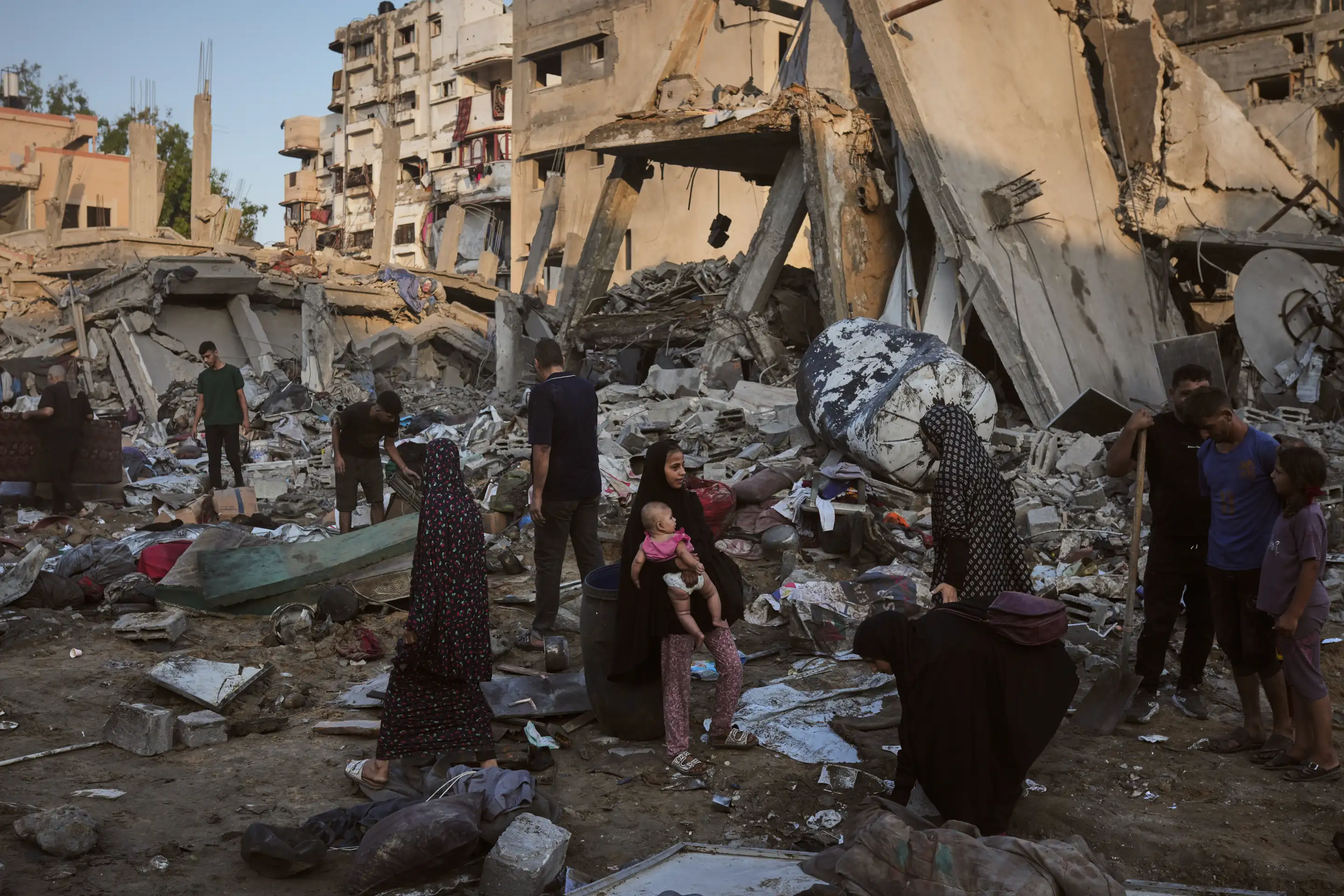
The humanitarian situation in Gaza also remains a central concern. Years of conflict and recent fighting have caused extensive damage to infrastructure and created significant needs among civilians. Any lasting agreement would likely require large-scale rebuilding efforts, humanitarian assistance, and international cooperation.
The reaction from regional and global leaders will also influence the agreement’s prospects. Countries involved in Middle East diplomacy have different priorities regarding security, political representation, and regional stability. Building a broad coalition of support could be necessary for any agreement to succeed.
Trump’s announcement represents a significant diplomatic development, but experts caution that reaching a deal is only the beginning of the process. The difficult work of implementation, verification, and maintaining cooperation among conflicting parties will determine whether the proposal can achieve lasting results.
As negotiations continue, attention will remain focused on Hamas’ response, Israel’s position, and the role of international mediators. The outcome could have major implications for the future of Gaza and wider Middle East security.