Trump Highlights Tariffs as Economic Successes During Michigan Visit
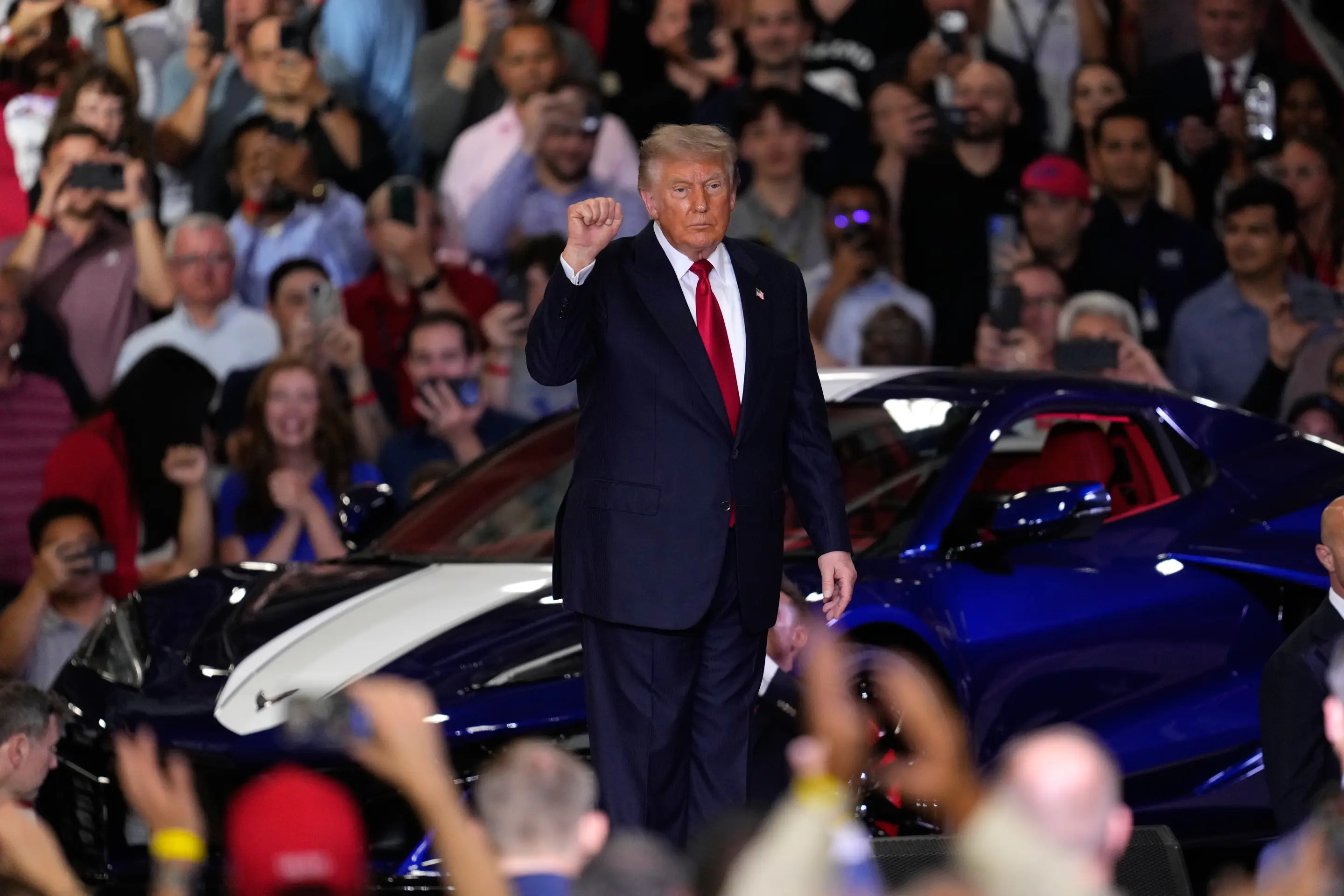
President Donald Trump defended his tariff policies during a visit to Michigan, arguing that trade measures have helped strengthen American manufacturing and support domestic industries. Speaking in a key industrial state, Trump promoted tariffs as a tool to encourage companies to expand production in the United States and reduce reliance on foreign supply chains. He pointed to the automotive sector as an example of how his administration’s economic strategy could benefit American workers and manufacturers.
Michigan has become a central part of the national debate over tariffs because of its strong connection to the auto industry and international trade. Trump told supporters that tariffs were helping companies invest more heavily in domestic production, while critics argued that higher import costs have created challenges for businesses and consumers. The debate reflects a broader disagreement over whether tariffs provide long-term economic benefits or contribute to higher prices.
During his appearance, Trump emphasized his “America First” economic approach and argued that protecting domestic industries was necessary to maintain manufacturing jobs. Supporters at the event welcomed the message, particularly those who believe tariffs can encourage companies to bring production back to the United States. However, some attendees also acknowledged that rising costs have created financial pressure, especially for households dealing with higher prices for everyday goods. Economists and business groups have continued to debate the impact of tariffs. While some manufacturers benefit from reduced foreign competition, companies that rely on imported materials may face increased expenses. The ongoing discussion highlights the challenge of balancing industrial policy goals with consumer affordability as voters evaluate economic conditions ahead of major elections.
Rising Prices Create Political Challenges Despite Support for Tariff Policies
Although Trump continues to promote tariffs as a way to protect American jobs, concerns about affordability have created political challenges. Some of his supporters in Michigan expressed frustration over higher living costs, including expensive goods and increased financial pressure. While many remain supportive of Trump’s broader economic agenda, concerns about the immediate impact of tariffs have become part of the conversation among voters. The issue is especially significant in Michigan, a state with a large manufacturing workforce and a history of closely contested elections. Trump’s economic message focuses on rebuilding domestic industry, but opponents argue that tariffs can increase costs for consumers by making imported products and materials more expensive. The disagreement has turned trade policy into a major political issue as candidates prepare for upcoming races.
Businesses have also raised concerns about the effects of tariffs on supply chains. Companies that depend on imported components may experience higher production costs, which can influence pricing decisions and investment plans. Supporters of tariffs argue that these short-term challenges are outweighed by the benefits of encouraging domestic manufacturing and protecting strategic industries.
The debate over tariffs is expected to remain a major issue in American politics as voters consider economic performance, inflation, and job growth. Trump’s message in Michigan shows how trade policy continues to shape political discussions, with supporters focusing on manufacturing strength while others remain concerned about the impact on household budgets. As the election cycle progresses, economic issues such as prices, wages, and industrial growth are likely to play a major role in shaping voter opinions. The tension between long-term manufacturing goals and short-term affordability concerns remains at the center of the tariff debate.