
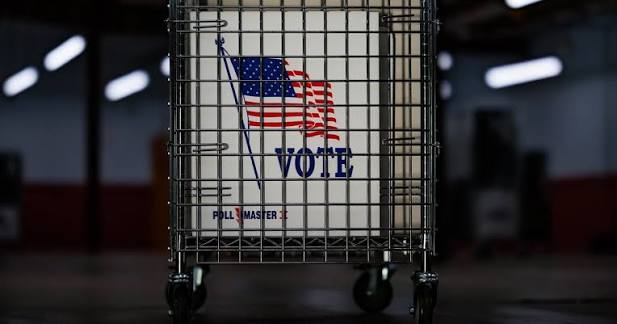
Administration Raises New Claims About China and Voter Information
The White House has raised new allegations that China collected sensitive voter registration information from millions of Americans, describing the activity as a potential national security concern. The accusations have intensified debate over foreign cyber operations, election security, and the protection of voter information ahead of upcoming elections. Administration officials have pointed to concerns about foreign governments obtaining personal data that could potentially be used for influence operations or other intelligence purposes.
The allegations focus on claims that Chinese actors obtained large databases containing voter-related information, including publicly available registration records. Supporters of the administration’s position argue that foreign access to voter data could create risks by allowing adversaries to build detailed profiles of American citizens. They say protecting election-related information is an important part of defending democratic institutions from foreign interference.
The issue has become part of a broader discussion about cybersecurity and election infrastructure. Government agencies have previously warned that foreign actors may attempt to influence American political discussions through cyber operations, online campaigns, and information gathering. However, officials and cybersecurity experts distinguish between collecting data and directly altering election results, noting that evidence of actual vote manipulation must be evaluated separately.
Election security experts say voter registration data is often available through state election systems and public records, though the scale and use of collected information remain important factors in assessing potential risks. They emphasize that safeguarding election systems requires protecting both voting infrastructure and the personal information connected to voters.
The White House allegations have prompted calls for further investigation into how voter information is collected, stored, and shared. Officials are expected to continue reviewing intelligence assessments while lawmakers debate policies aimed at strengthening election cybersecurity and limiting foreign access to sensitive data.
Claims Renew Debate Over Foreign Influence and Election Protection
The accusations against China come amid a long-running national debate over foreign interference in US elections. American officials have previously identified cybersecurity threats from multiple foreign actors, including attempts to influence public opinion, target political organizations, and exploit digital vulnerabilities. The latest claims have renewed discussions about whether existing protections are strong enough to defend election-related information.
Supporters of stronger election security measures argue that voter data protection should be treated as a national security priority. They say foreign governments could potentially use personal information for intelligence gathering, political targeting, or influence campaigns. The White House has highlighted these concerns as part of a broader push to address vulnerabilities in election systems.
Critics, however, have questioned the evidence behind some of the allegations and warned against using cybersecurity concerns to create unnecessary fears about election integrity. They argue that obtaining voter registration information does not automatically prove that foreign actors changed votes or affected election outcomes. Independent reviews of past election interference investigations have emphasized the importance of separating data collection from confirmed election manipulation.
The debate also highlights the complicated nature of voter data. In many states, portions of voter registration information are publicly accessible under election transparency laws. Cybersecurity specialists say the challenge is balancing public access requirements with protections against misuse by foreign entities.
As the investigation and political debate continue, election officials are focusing on improving cybersecurity defenses, strengthening communication systems, and protecting voter information. The controversy reflects a wider global challenge as governments increasingly confront cyber threats targeting democratic processes. The latest allegations are expected to remain a major issue in discussions about election security, foreign influence, and cybersecurity policy. How officials respond could shape future approaches to protecting voter data and maintaining public confidence in election systems.