Football Culture Brings Malvinas Issue Back Into National Conversation
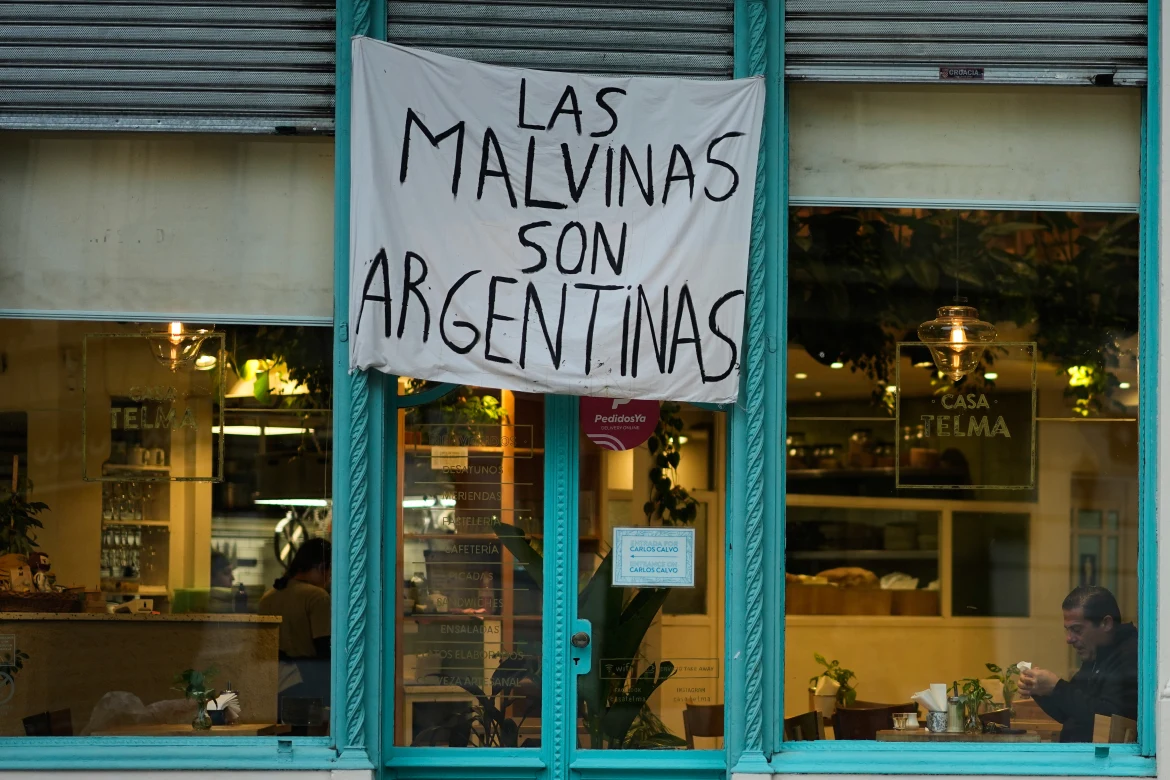
A World Cup-related banner has sparked renewed attention toward the Malvinas Islands in Argentina, transforming a long-standing national issue into a cultural movement embraced by a new generation. The banner, displayed during football celebrations, has become a symbol connecting national identity, history, and sporting passion. For many young Argentines, the message represents more than a political statement, reflecting a deeper connection to a historical issue that has remained central to the country’s collective memory.
The Malvinas Islands, known internationally as the Falkland Islands, have been the subject of a sovereignty dispute between Argentina and the United Kingdom for decades. The issue remains highly sensitive in Argentina, where many citizens view the islands as an important part of their national heritage. The 1982 Falklands War, in which Argentina and the United Kingdom fought over control of the islands, continues to influence public discussions and cultural expressions.
Football has historically played an important role in Argentine society, often serving as a platform where national identity and emotions are expressed. The World Cup has amplified these connections, with supporters using banners, songs, and symbols to communicate ideas linked to history and national pride. The latest banner has gained attention because it introduced the Malvinas issue to younger fans who did not experience the war period directly.
Cultural observers say the renewed interest demonstrates how sporting events can influence public memory and national conversations. While older generations often connect the Malvinas issue with personal experiences of the war and its aftermath, younger Argentines are engaging with the topic through football culture, social media, and modern forms of expression.
The banner’s popularity shows how historical issues can continue evolving through new generations. For many supporters, it represents a connection between Argentina’s past and present, using football as a way to preserve cultural identity and remember important moments in national history.
New Generation Connects History, Identity, and Football Through Malvinas Symbolism
The growing attention surrounding the World Cup banner highlights the powerful relationship between football and cultural identity in Argentina. Football is deeply connected to national pride, and major international tournaments often become moments when historical symbols and social discussions gain renewed visibility. The Malvinas issue has frequently appeared in Argentine football culture, but the latest movement has attracted particular attention because of its popularity among younger fans.
Young Argentines who were born decades after the 1982 conflict are discovering the Malvinas issue through different channels, including football clubs, online communities, documentaries, and social media discussions. The banner has become a visual representation of how historical narratives are passed between generations and adapted to modern cultural spaces.
Supporters who promote the message often describe it as an expression of remembrance and national identity rather than simply a political position. They argue that football provides a space where communities can maintain connections to important historical events. However, discussions surrounding the Malvinas issue remain complex because the sovereignty dispute continues to involve diplomatic disagreements between Argentina and the United Kingdom.
The renewed attention also demonstrates the global influence of football as a cultural force. Major sporting events often provide opportunities for countries to express national stories, traditions, and collective memories. In Argentina, football has long been intertwined with ideas of belonging and national representation.
As the World Cup continues to inspire conversations beyond the sport itself, the Malvinas banner represents how cultural symbols can gain new meaning over time. For a younger generation, it has become a bridge between historical memory and contemporary identity, showing how football can shape discussions about heritage, politics, and national pride.