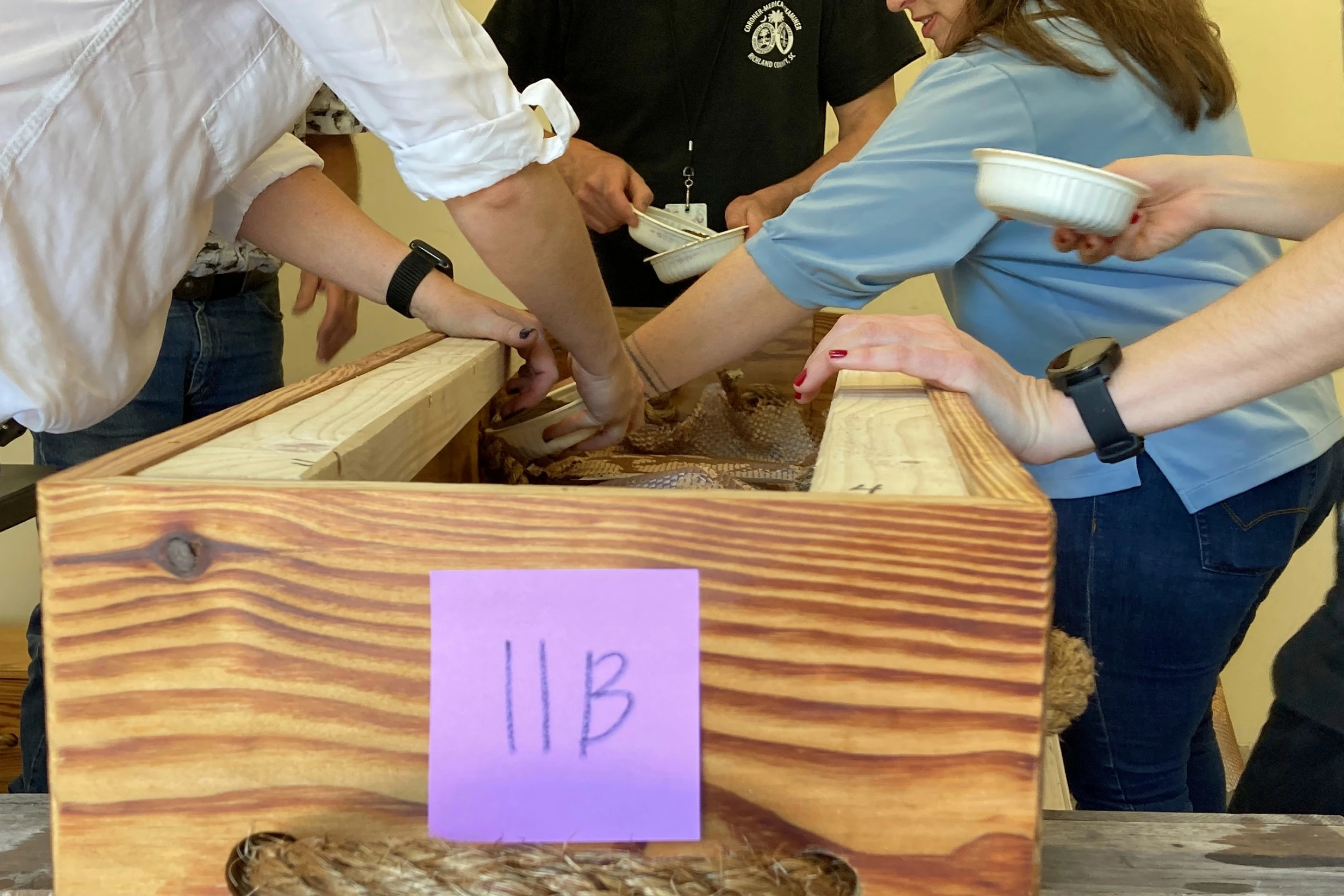
A centuries-old mystery surrounding an unknown Revolutionary War soldier is being solved through the power of modern DNA technology. Researchers analyzing genetic material extracted from the soldier’s skull have uncovered important details that go far beyond simply identifying who he was. The discovery has provided insight into his ancestry, physical characteristics, and the historical circumstances surrounding his life and death during the American Revolution.
For decades, the remains of the unidentified soldier remained a silent reminder of the thousands of people who fought in one of America’s defining conflicts. Without official records or personal information, historians could only speculate about his background. Advances in genetic analysis have now allowed scientists to examine clues hidden within his remains, revealing information that traditional historical methods could not provide.
The breakthrough demonstrates how forensic science and archaeology are transforming the study of history. By combining DNA analysis with historical records, researchers are able to reconstruct stories of individuals who were previously forgotten. The soldier’s genetic profile offers a rare glimpse into the diverse communities that shaped the Revolutionary era and provides a deeper understanding of the people behind America’s founding story.
DNA Technology Helps Identify a Revolutionary War Mystery
The analysis of DNA extracted from the soldier’s skull represents a major advancement in historical investigation. Unlike traditional methods that rely on written documents, military records, or physical artifacts, genetic testing can reveal biological connections that remain preserved for hundreds of years. Scientists examined fragments of ancient DNA to compare genetic markers, determine ancestry patterns, and identify possible relatives connected to the unknown soldier.
The Revolutionary War period presents unique challenges for historians because many soldiers were never formally documented or buried with identifying information. Thousands of men served in local militias and military units, and many died far from their homes. Poor recordkeeping, battlefield conditions, and the passage of time have left countless individuals unidentified. In many cases, their remains became separated from their names and personal histories.
Modern DNA sequencing has changed how researchers approach these mysteries. Scientists can now analyze genetic material from old remains and compare it with modern databases, family histories, and population studies. These techniques can reveal geographic origins, inherited traits, and possible family relationships. The information provides historians with a more complete picture of individuals who lived during important historical periods.
The discovery also highlights the growing role of forensic genealogy in historical research. Similar methods have helped identify unknown soldiers, missing individuals, and victims of past conflicts. By connecting genetic evidence with historical investigation, researchers can restore identities that were lost for generations.
Beyond identification, DNA analysis can reveal details about a person's migration history and ancestral background. This helps historians better understand the diverse groups that participated in major events like the American Revolution. Soldiers came from different communities, regions, and cultural backgrounds, and their stories contributed to the formation of the United States.
The unknown soldier’s DNA offers more than a name—it provides a connection to the past and allows researchers to understand the human experiences behind historical events.
The Discovery Reveals Details About His Life and Heritage
While identifying the soldier is an important achievement, researchers say the DNA analysis provides a much broader understanding of his life. Genetic information can reveal details about ancestry, population origins, and biological traits that help reconstruct the story of an individual who lived more than two centuries ago.
The Revolutionary War involved people from many different backgrounds, including European settlers, Indigenous communities, African Americans, and immigrants who contributed to the fight for independence. Studying the DNA of individuals from this period helps historians understand the diversity of the population and challenges older assumptions about who participated in the conflict.
Scientists can examine genetic markers to determine where a person’s ancestors likely originated and how different populations contributed to their family history. These findings add another layer to historical research by showing how personal identities were shaped by migration, family connections, and changing communities.
The analysis of ancient remains can also provide clues about physical characteristics. Researchers may study genetic indicators related to traits such as hair color, eye color, and other inherited features. Combined with archaeological evidence, these details can help create a more complete portrait of the person behind the remains.
The discovery also emphasizes the importance of preserving historical remains and using ethical scientific methods. Human remains are valuable sources of information, but researchers must carefully balance scientific investigation with respect for individuals and their descendants. Collaboration with historians, archaeologists, and communities is essential when studying remains connected to significant historical events.
For descendants who may eventually be connected to the soldier, the discovery could provide a meaningful link to an ancestor who disappeared from historical records. It transforms an anonymous set of remains into the story of a real person who lived, served, and experienced one of the most important periods in American history.
Science and History Combine to Restore Forgotten Stories
The identification of an unknown Revolutionary War soldier demonstrates how technology is changing the way historians explore the past. Traditional historical research often depends on written records, but many ordinary people who shaped history left behind little documentation. DNA analysis provides a new way to recover their stories and recognize their contributions.
Researchers increasingly use a combination of archaeology, anthropology, and genetics to investigate historical mysteries. Physical evidence from remains can reveal information about health, injuries, diet, and living conditions, while DNA provides biological connections that help establish identity and ancestry. Together, these fields create a more complete understanding of individuals who lived during earlier centuries.
The soldier’s story also reflects a broader effort to recognize the experiences of ordinary people during major historical events. Much of history focuses on political leaders and famous figures, but conflicts like the Revolutionary War were shaped by thousands of individuals whose names were eventually forgotten. Scientific discoveries allow researchers to bring those personal stories back into public awareness.
The use of DNA technology in historical research is expected to continue expanding. As genetic databases grow and analytical methods improve, scientists may be able to solve more mysteries involving unidentified soldiers, historical figures, and ancient remains. Each discovery contributes new information about human movement, relationships, and experiences throughout history.
The case serves as a reminder that history is not only preserved in books and monuments but also within the biological traces left behind by previous generations. A single fragment of DNA can connect modern researchers with people who lived hundreds of years ago, revealing stories that might otherwise have disappeared forever.
By combining scientific innovation with historical investigation, researchers are giving forgotten individuals a place in the story of the past. The Revolutionary War soldier’s remains are no longer just an unidentified artifact—they represent a person whose life and legacy can finally be understood.
DNA analysis from the skull of an unknown Revolutionary War soldier has revealed far more than a possible identity. The discovery has provided new insights into his ancestry, background, and the human stories behind America’s fight for independence. As science continues advancing, researchers will uncover more hidden histories and reconnect forgotten individuals with their place in the past.