The U.S. military has identified two American service members who were killed during an Iranian attack in Jordan, marking another deadly escalation in the ongoing conflict between Washington and Tehran. The fallen soldiers were identified as 1st Lt. Tyler James Feehan of Ewa Beach, Hawaii, and Pvt. Isabella Gonzales of Carrollton, Texas. Officials said the two service members were killed while supporting U.S. operations in the region amid Iranian missile and drone attacks targeting American and allied positions.
The deaths have intensified concerns over the widening conflict in the Middle East as U.S. forces face increasing threats from Iranian military operations and affiliated groups. The attack in Jordan is part of a broader wave of hostilities that has affected U.S. personnel and regional allies, increasing pressure on American officials to respond while attempting to prevent further escalation.
Two US Soldiers Killed During Iranian Attack
The Pentagon confirmed that two U.S. service members were killed during an Iranian missile and drone attack in Jordan. The soldiers were supporting American military operations in the region when the attack occurred, according to U.S. officials. The incident involved Iranian ballistic missiles and drones targeting positions where American and partner forces were stationed.
The Department of Defense identified the fallen service members as 1st Lt. Tyler James Feehan, 25, from Ewa Beach, Hawaii, and Pvt. Isabella Gonzales, 19, from Carrollton, Texas. Their deaths represent a significant moment in the escalating confrontation between the United States and Iran, as American forces continue operating across the Middle East.
Military officials said additional personnel were affected during the attack, with some service members receiving medical treatment before returning to duty. The strike highlighted the growing risks faced by American troops deployed in areas vulnerable to missile and drone attacks.
The attack on Jordan has become one of the most serious incidents involving U.S. forces during the latest phase of tensions with Iran. American bases and military facilities across the region have faced increasing threats as Iran and its allies respond to U.S. military operations.
For the families of the two soldiers, the announcement marked the loss of loved ones serving overseas. Military leaders expressed condolences and honored their commitment, emphasizing the risks faced by service members carrying out missions abroad.
Rising Tensions Between Washington and Tehran
The deaths of the two soldiers come as tensions between the United States and Iran continue to escalate. The conflict has expanded beyond direct military exchanges, involving missile strikes, drone attacks, and retaliatory operations across multiple locations in the Middle East.
Iran has launched attacks targeting U.S. positions and regional allies, while Washington has responded with military strikes against Iranian military infrastructure. The cycle of retaliation has increased fears that the confrontation could develop into a wider regional conflict involving additional countries.
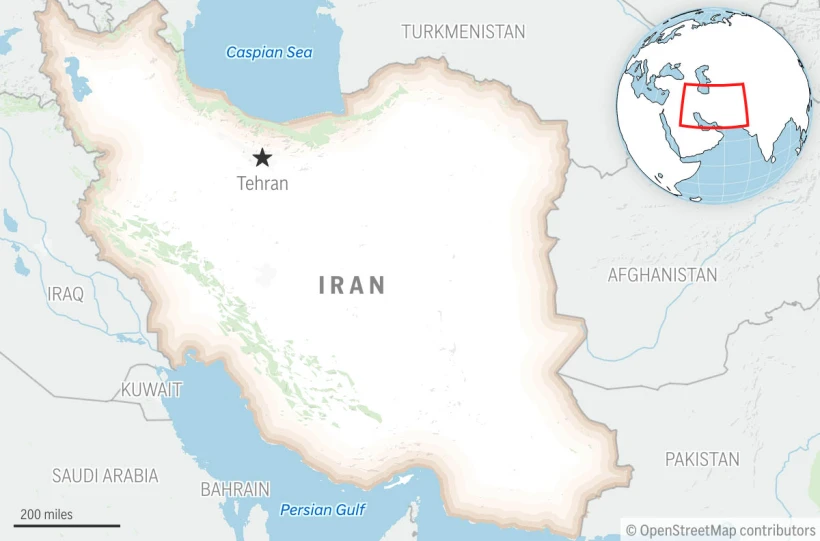
Jordan has become a strategically important location because of its role in regional security operations and its cooperation with the United States. The presence of American forces in Jordan has made military facilities there potential targets during periods of heightened tensions between Iran and Washington.
Defense officials have warned that modern missile and drone warfare creates new challenges for military forces. Low-cost drones and advanced missile systems allow attackers to threaten distant targets while making traditional defense strategies more complicated. The attack in Jordan demonstrates the continuing importance of air defense systems and regional security partnerships.
The latest casualties are expected to increase political pressure on U.S. leaders to respond strongly. However, officials also face the challenge of balancing military action with efforts to avoid a broader war that could destabilize the region and impact global energy markets.
Impact on US Military Operations and Regional Security
The deaths of the two soldiers have renewed attention on the dangers faced by American troops deployed overseas. Thousands of U.S. personnel remain stationed across the Middle East as part of security missions, counterterrorism operations, and efforts to support regional allies.
Military officials are reviewing security measures at bases and installations to reduce the risk of future attacks. These measures may include strengthening air defenses, improving intelligence sharing, and increasing protection for personnel operating in high-risk areas.
The incident also highlights the broader consequences of the escalating U.S.-Iran conflict. Beyond military casualties, rising tensions have affected diplomatic relationships, regional stability, and international markets. Countries across the Middle East are closely monitoring developments as they attempt to protect their territories while avoiding direct involvement in the conflict.
Energy markets have also reacted to the growing uncertainty, as the Middle East remains a critical region for global oil supplies. Any further escalation could create additional economic challenges by disrupting trade routes and increasing energy prices.
Despite the heightened tensions, international leaders have continued calling for diplomatic efforts to prevent the conflict from expanding. The challenge for governments will be finding a balance between responding to attacks and avoiding actions that could trigger a larger regional confrontation.
The deaths of 1st Lt. Tyler James Feehan and Pvt. Isabella Gonzales following the Iranian attack in Jordan mark another tragic escalation in the U.S.-Iran conflict. As military tensions continue rising across the Middle East, American officials face difficult decisions about responding to attacks while preventing a wider regional war.