Blanche’s Confirmation Advances as Trump’s Tax Audit Protections Remain Unchanged
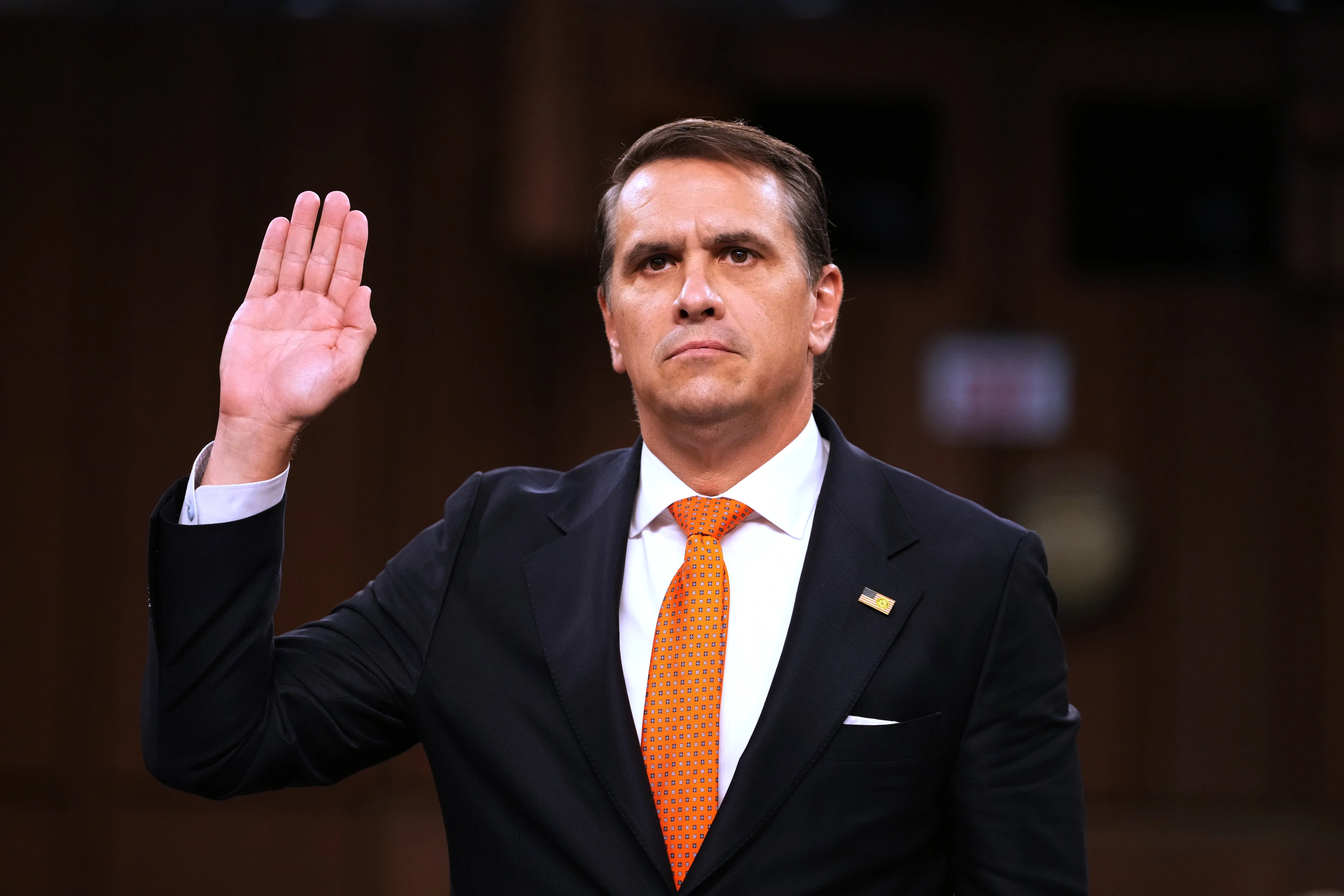
The Senate confirmation process surrounding Blanche has gained momentum, signaling that political and procedural hurdles have largely been resolved. The development comes at a time when discussions over presidential accountability, judicial appointments, and executive authority continue to dominate national attention. While lawmakers focus on the confirmation process, another issue remains largely unchanged: former President Donald Trump's longstanding tax audit protections remain in place under existing Internal Revenue Service (IRS) policies. The two developments have become intertwined in public debate because they both reflect broader questions about the relationship between government institutions, political oversight, and executive privilege. Legal experts note that the confirmation process itself does not automatically alter tax enforcement policies, but it has renewed scrutiny of how federal agencies exercise their authority. As Washington continues to navigate politically charged appointments, attention remains fixed on whether institutional practices will evolve or remain consistent despite changes in leadership. For now, both the confirmation process and federal tax procedures appear to be following established legal frameworks rather than introducing significant policy shifts.
Senate Confirmation Moves Forward
The latest procedural developments suggest that Blanche's confirmation now faces a clearer legislative path than previously anticipated. Committee actions and leadership support have reduced uncertainty, allowing senators to focus on the final stages of the confirmation process. Supporters argue that moving forward provides stability within the federal justice system, while critics continue to question broader implications surrounding executive influence and judicial independence. Despite political disagreements, confirmation procedures remain governed by Senate rules requiring debate and voting before a nominee can officially assume office. Analysts note that confirmation battles often become symbolic contests over legal philosophy and institutional independence rather than solely evaluations of professional qualifications. As lawmakers prepare for additional votes, observers expect continued public attention on how the confirmation could influence future legal decisions involving the executive branch. Even so, the confirmation itself does not directly affect existing IRS regulations or tax enforcement policies that apply to current or former presidents.
The separate issue of presidential tax audits continues to generate discussion because existing IRS policy provides a structured process for reviewing presidential tax returns. While sitting presidents are subject to mandatory annual audits, those examinations are conducted under established administrative procedures rather than public political processes. Trump has remained at the center of debate over tax transparency for years, with critics advocating greater disclosure and supporters arguing that legal protections should apply equally regardless of political office. Tax specialists emphasize that audit procedures are governed by federal law and agency policy rather than individual confirmation decisions. Consequently, Blanche's advancement through the Senate confirmation process does not alter the legal framework governing presidential tax audits. Any significant changes would require administrative reforms, legislative action, or revised IRS guidance rather than judicial or prosecutorial appointments alone.
Political and Legal Implications
Together, the confirmation developments and continuing tax audit protections illustrate how separate legal and political systems often intersect in public debate without directly influencing one another. Confirmation proceedings shape the leadership and operation of federal institutions, while tax administration follows statutory requirements established independently of Senate votes. Constitutional scholars suggest that maintaining institutional separation helps preserve stability even during periods of intense political disagreement. Nevertheless, both issues are likely to remain prominent as lawmakers, legal analysts, and the public continue examining questions surrounding executive accountability, government transparency, and the independence of federal agencies. Future congressional oversight, court decisions, or legislative reforms could reshape aspects of either issue, but for now the confirmation process and presidential tax audit policies continue along separate legal tracks under existing federal procedures.