25 States Challenge Trump’s New Tariffs in Court Over Trade Authority Dispute
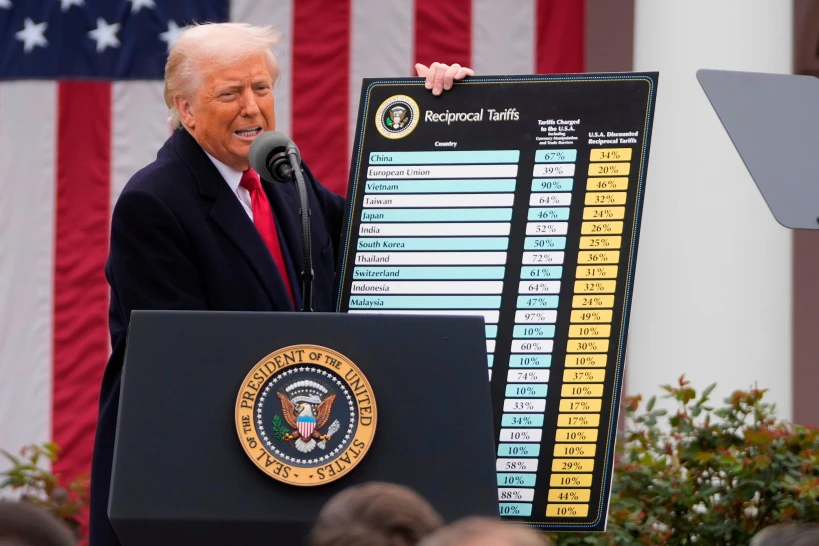
A coalition of 25 U.S. states has filed a legal challenge against President Donald Trump’s new tariffs, arguing that the measures represent an improper use of executive power rather than a legitimate trade policy action. The states claim the tariffs are a “pretext” designed to replace earlier trade restrictions that faced legal challenges, raising questions about the limits of presidential authority over international commerce. The lawsuit adds to growing disputes surrounding Trump’s approach to tariffs, which has relied heavily on executive action to impose new import taxes on goods from foreign countries. State officials involved in the case argue that the tariffs could increase costs for businesses, consumers, and state economies by disrupting supply chains and raising prices. The administration has defended the measures as necessary tools to protect American industries, strengthen domestic manufacturing, and address trade imbalances. The legal battle is expected to focus on whether existing federal laws give the president broad authority to impose such tariffs without additional congressional approval.
States Question Presidential Tariff Powers
The lawsuit challenges the legal foundation behind Trump’s tariff policy, with state officials arguing that the administration exceeded its authority by using emergency powers and trade provisions to impose broad import taxes. The states contend that the new tariffs are effectively a continuation of previous measures that were already under scrutiny and should not bypass existing legal limitations. Attorneys representing the states said the policy could create financial uncertainty for companies that rely on international suppliers and could ultimately increase costs for consumers. The administration, however, maintains that the tariffs are within presidential authority and are aimed at protecting national economic interests. Officials supporting the policy argue that tariffs can encourage domestic production and give the United States greater leverage in trade negotiations with foreign governments.
The legal dispute comes as businesses and investors continue adjusting to changing trade policies. Companies across manufacturing, retail, agriculture, and technology sectors have expressed concerns about potential disruptions caused by higher import costs. Economists have warned that tariffs can contribute to inflationary pressures if businesses pass additional expenses on to consumers. Supporters of the policy argue that short-term costs may be outweighed by long-term benefits, including stronger domestic industries and reduced dependence on foreign supply chains. The court’s decision could have significant implications for future administrations and determine how much authority presidents have to use tariffs as a policy tool without direct congressional action.
Trade Policy Battle Moves to Federal Courts
The lawsuit represents another major legal challenge to Trump’s economic agenda and could shape the future of U.S. trade policy. Federal courts will now examine whether the administration followed proper procedures and whether the laws cited provide sufficient authority for implementing the tariffs. The outcome may influence not only current tariff measures but also the broader balance of power between the executive branch and Congress on economic policy decisions. As the case moves forward, businesses, consumers, and international trading partners will closely monitor developments for signs of how the dispute could affect future trade relations. The legal challenge highlights the ongoing debate over whether aggressive tariff strategies strengthen U.S. economic interests or create additional financial pressure.