The United States and Iran are facing their most dangerous escalation in years as continued military exchanges push both sides closer to a wider war. The deaths of additional American service members have increased pressure on Washington to respond, while Tehran continues retaliatory operations against U.S. forces and regional allies.
The latest developments have intensified fears that a cycle of attacks and counterattacks could expand beyond existing battle zones, drawing more countries into the confrontation. Military officials and analysts warn that miscalculations on either side could rapidly transform a limited exchange into a larger regional conflict.
Beyond the battlefield, the crisis is creating economic uncertainty, affecting energy markets, global trade routes, and investor confidence. As tensions rise, governments around the world are closely watching whether diplomatic efforts can prevent further escalation.
More US Military Casualties Increase Pressure on Washington
The deaths of additional American troops have become a major turning point in the escalating confrontation with Iran. U.S. officials confirmed that service members were killed in incidents linked to Iranian attacks and military activity in the region, increasing political pressure for a stronger response.
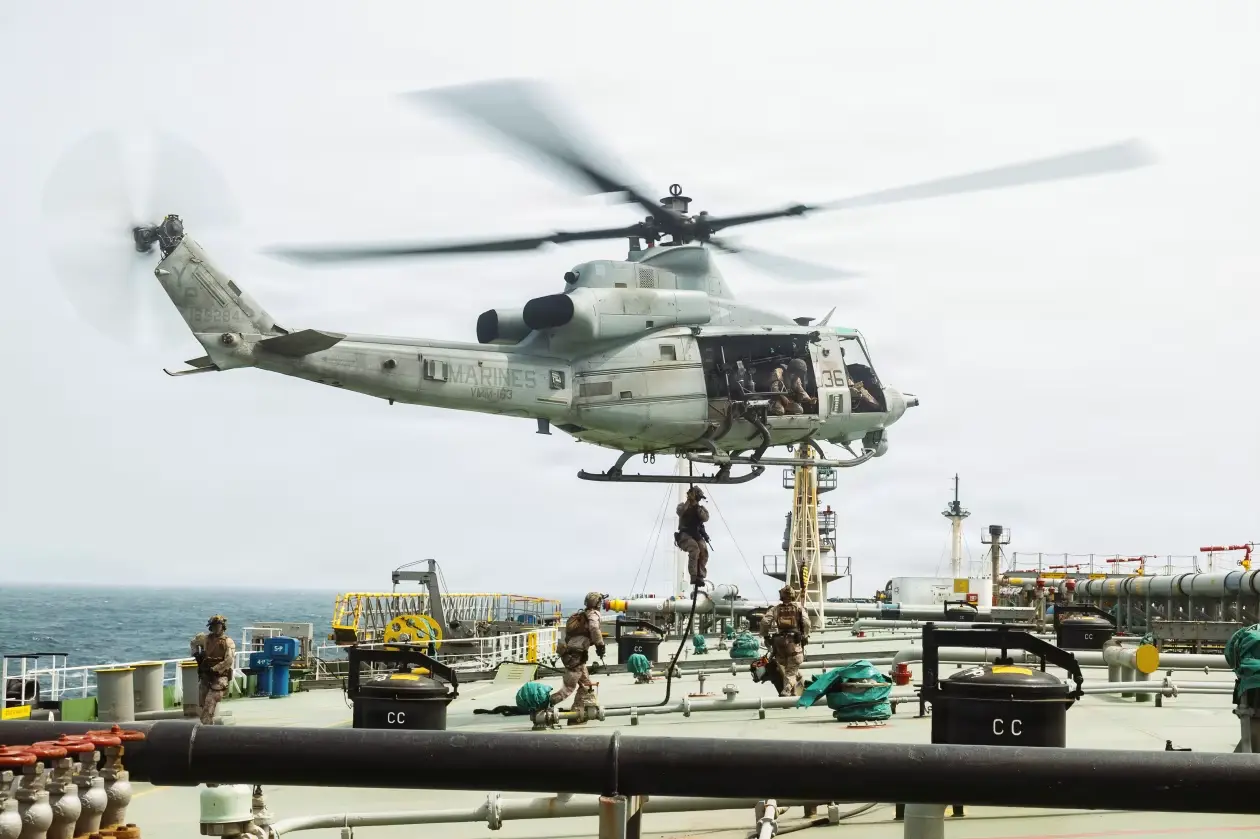
For the Pentagon, protecting American personnel remains a central priority. U.S. forces stationed across the Middle East have faced growing threats from missiles, drones, and attacks involving groups aligned with Tehran. These challenges have forced American commanders to strengthen defenses while preparing for possible additional strikes.
The latest casualties have also intensified debate inside Washington over the direction of the conflict. Supporters of a tougher response argue that failing to retaliate could encourage further attacks against U.S. forces and allies. They say military action is necessary to restore deterrence and demonstrate American resolve.
However, critics warn that expanding military operations could create a conflict with no clear endpoint. They argue that repeated strikes and retaliation could lead to a prolonged confrontation similar to previous Middle East conflicts, where initial objectives became more complicated over time.
Military analysts note that modern conflicts involving drones and missile systems create significant challenges. Even advanced military forces can face difficulties protecting personnel from low-cost but effective attacks. The increasing use of unmanned systems has changed the nature of warfare and created new vulnerabilities for bases and military installations.
The deaths of American troops also carry a significant political impact. Public pressure often increases when service members are killed overseas, forcing leaders to explain their strategy and long-term goals. The administration now faces the difficult task of responding strongly while avoiding actions that could trigger a larger war.
As the conflict continues, officials will be closely monitoring Iran’s next moves, military intelligence assessments, and diplomatic signals from regional partners.
Iran Retaliation Raises Risk of Regional Expansion
Iran’s continued retaliation against U.S. forces and allied countries has increased concerns that the conflict could spread throughout the Middle East. Attacks involving missiles and drones have expanded the battlefield beyond direct U.S.-Iran confrontations, threatening military installations and critical infrastructure across the region.
Regional governments are now facing difficult security decisions as they attempt to protect their territories while avoiding deeper involvement in the conflict. Countries hosting American military facilities have become especially vulnerable because they are viewed as strategic targets during periods of heightened tension. The possibility of a wider conflict has raised concerns among international leaders. A larger war could involve additional countries, disrupt energy supplies, and create humanitarian consequences across the region. The Middle East remains one of the world's most strategically important areas because of its energy resources and major shipping routes.
One major concern is the potential impact on the Strait of Hormuz, a critical pathway for global oil shipments. Any disruption to shipping activity could quickly affect energy prices worldwide, increasing costs for consumers and businesses.
Iran has historically used regional influence and allied groups as part of its security strategy. This creates additional complexity because conflicts may not remain limited to official military forces. Armed groups and regional partners can expand the conflict through independent attacks, making negotiations more difficult. Diplomatic officials continue to call for restraint, warning that continued escalation could produce consequences that are difficult for any side to control. While both Washington and Tehran have strong motivations to demonstrate strength, avoiding a wider war remains a major challenge. The coming weeks will be critical in determining whether the conflict moves toward further military escalation or whether diplomatic channels can create opportunities for reducing tensions.
Global Economy Faces Growing Uncertainty
The escalating U.S.-Iran confrontation is creating economic concerns far beyond the Middle East. Energy markets, financial institutions, and businesses worldwide are watching developments closely because prolonged instability could affect oil supplies, inflation, and global economic growth.
Oil prices often rise during geopolitical crises because investors worry about potential supply disruptions. A sustained increase in energy costs can affect nearly every part of the economy, from transportation and manufacturing to consumer prices. Higher fuel costs can increase expenses for companies and reduce household purchasing power.
Financial markets also tend to react negatively to uncertainty. Investors often move toward safer assets during periods of conflict, reducing exposure to riskier investments. Stock markets can experience increased volatility as businesses reassess potential risks to supply chains, operations, and future earnings.
For governments, the conflict creates additional economic challenges. Increased military spending can place pressure on national budgets, while prolonged instability may affect trade relationships and international investment. Countries dependent on energy imports are especially vulnerable to price increases caused by regional disruptions.
Businesses are also preparing for possible changes in logistics and transportation. Companies operating globally may face higher shipping costs, longer delivery times, and uncertainty about future market conditions.
Economists warn that a prolonged conflict could worsen existing economic challenges, including inflation concerns and slower growth. Central banks may face additional difficulties if energy price increases create new inflation pressures while economies remain fragile.
Despite the uncertainty, markets are closely watching diplomatic developments for signs of de-escalation. A reduction in tensions could help stabilize energy prices and improve investor confidence, while further military action could increase economic risks. The conflict between the United States and Iran has therefore become not only a security challenge but also a major factor influencing the global economic outlook. The United States and Iran are approaching a critical moment as more American troops are killed and military exchanges continue to intensify. While leaders on both sides seek to protect their interests, the risk of a broader conflict remains high. The coming days will determine whether diplomacy can prevent further escalation or whether the region moves closer to a larger war.