The Return of Tanning Trends Raises Concerns Among Skin Experts
Tanning is becoming popular again as beauty trends shift toward sun-kissed appearances, with many people embracing darker skin tones as part of fashion and lifestyle culture. Social media, celebrity influences, and changing beauty standards have contributed to renewed interest in tanning products, outdoor sun exposure, and tanning beds. However, dermatologists and health experts continue to warn that achieving a tan through ultraviolet (UV) exposure can cause significant damage to the skin.
A tan is the body’s response to ultraviolet radiation. When skin is exposed to UV rays, it produces more melanin, the pigment responsible for darker skin color, as a natural defense mechanism against damage. Although many people view tanning as a cosmetic improvement, experts explain that the change in skin color is actually a sign that the skin has experienced stress and injury from UV exposure.
Repeated tanning can contribute to premature aging, including wrinkles, fine lines, uneven pigmentation, and loss of skin elasticity. UV radiation damages collagen and other structural components that help keep skin firm and healthy. Over time, this damage can become visible through changes in texture and appearance.
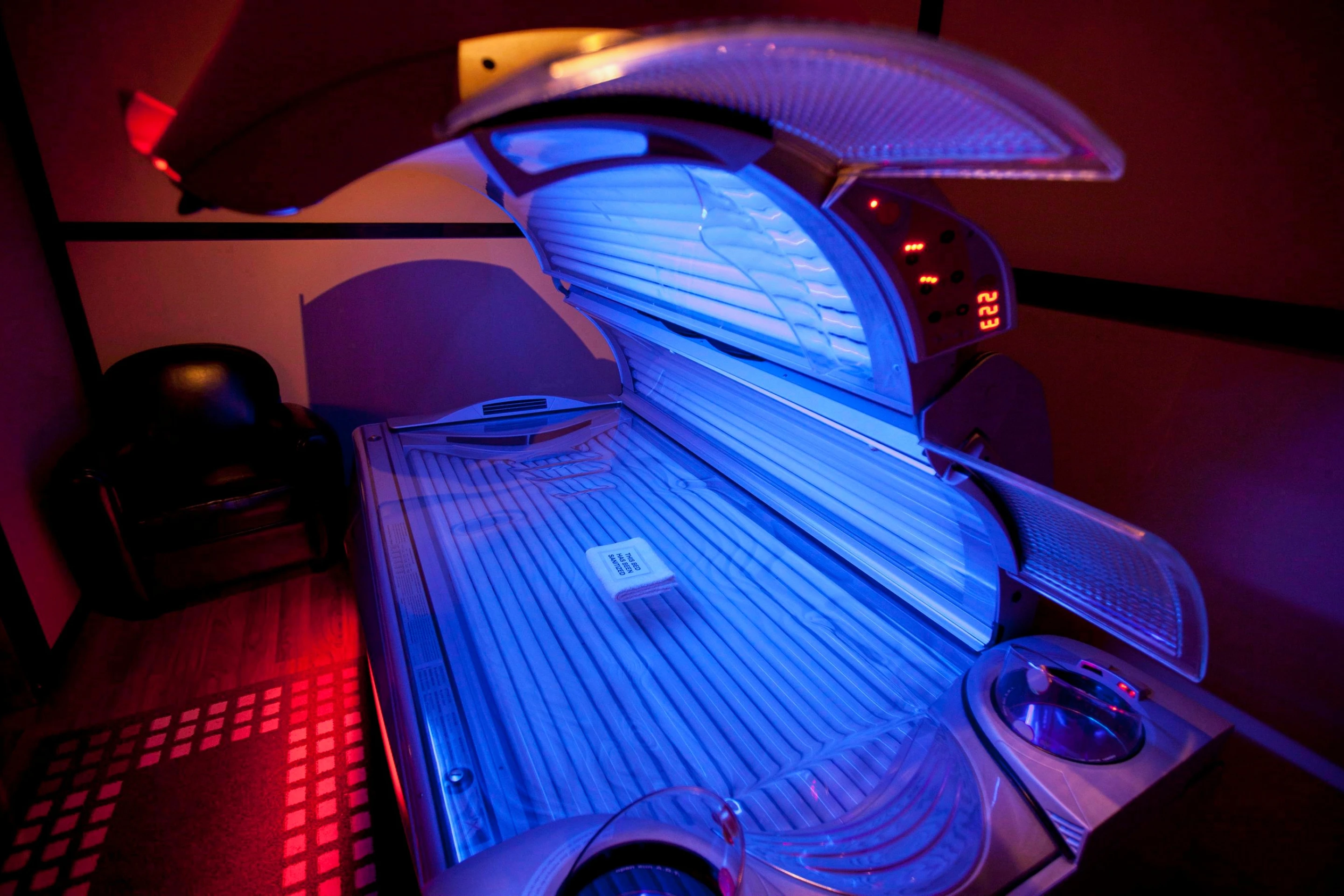
More concerning is the connection between UV exposure and skin cancer. Medical researchers have found that excessive exposure to ultraviolet radiation increases the risk of developing skin cancers, including melanoma, one of the most dangerous forms of the disease. Tanning beds can be especially risky because they produce concentrated UV radiation that can expose the skin to high levels of damage in a short period.
Despite these risks, tanning continues to appear in beauty trends because many people associate a tan with health, confidence, and attractiveness. Experts emphasize that a darker appearance does not indicate better health and recommend safer alternatives, such as sunless tanning products, for those who want a tanned look without UV exposure.