Schumer Proposes New Federal Agency Focused on Government Accountability
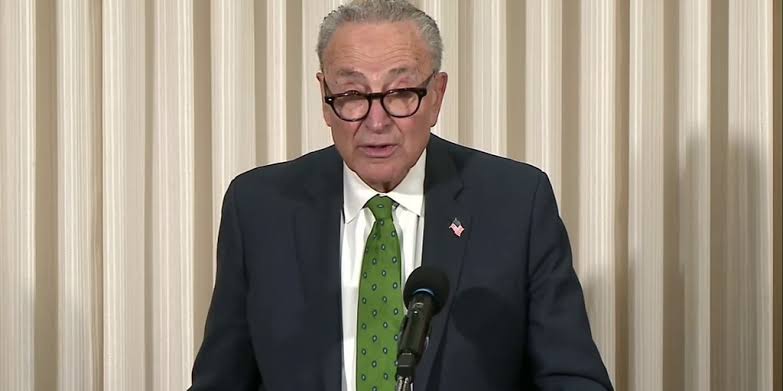
Senate Democratic Leader Chuck Schumer has introduced a proposal to create a new anti-corruption bureau aimed at strengthening oversight of government officials and addressing concerns about ethics in public service. Schumer announced the legislation while pointing to what he described as growing concerns about conflicts of interest, transparency, and accountability within the federal government. The proposal comes amid continued political debates over presidential authority, executive ethics, and the need for stronger safeguards against corruption.
The proposed bureau would be designed to investigate allegations involving government misconduct, financial conflicts, and potential abuses of power. Supporters of the measure argue that an independent oversight body could provide additional protections against corruption by giving investigators greater authority and resources to examine ethical concerns involving public officials.
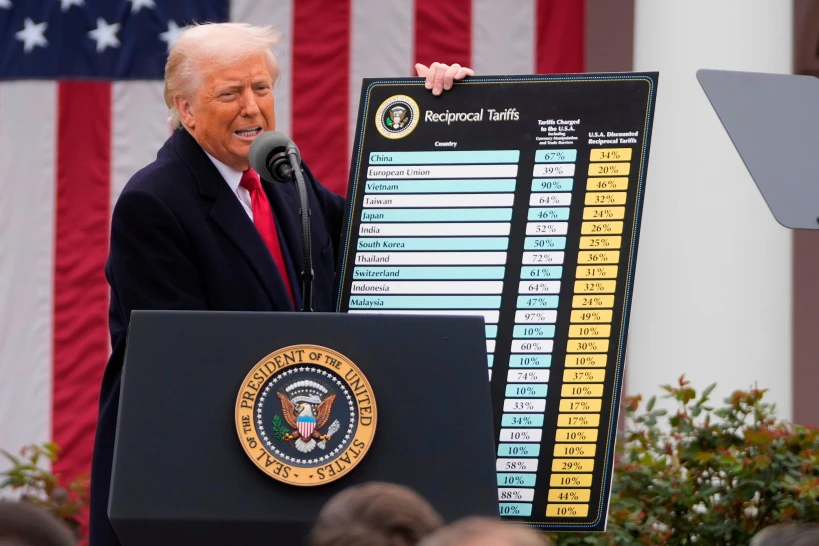
Schumer cited actions and controversies involving President Donald Trump as part of the reasoning behind introducing the legislation. He argued that recent political developments have highlighted the need for stronger enforcement mechanisms to ensure that government leaders are held accountable. The proposal reflects broader Democratic concerns about ethics rules, presidential conduct, and the influence of private interests in government decisions.
Republicans have criticized similar proposals in the past, arguing that existing oversight institutions already provide necessary checks and balances. Opponents may also argue that creating another federal agency could increase bureaucracy and potentially be used for political purposes depending on how it is structured.
The announcement comes as lawmakers continue debating the role of government oversight agencies and how best to address public concerns about corruption. Questions surrounding transparency and accountability have become major political issues, with both parties frequently accusing each other of failing to uphold ethical standards.
If approved, the proposed anti-corruption bureau would represent a significant expansion of federal oversight powers. However, the legislation faces a difficult path through Congress, where disagreements over government authority and political accountability remain deeply divided.
Proposal Sparks Debate Over Ethics Rules and Political Oversight
Schumer’s proposal has renewed a national discussion about how the United States addresses corruption risks among elected officials and government employees. Supporters of stronger oversight argue that public trust depends on ensuring that leaders follow clear ethical standards and that independent investigators can examine potential wrongdoing without political interference.
The idea of creating a dedicated anti-corruption agency has been debated for years, with advocates pointing to examples from other countries that have established specialized institutions to investigate government misconduct. They argue that existing systems may not always be sufficient when allegations involve powerful political figures or complex financial relationships.
The proposed bureau would likely face questions about its independence, authority, and relationship with existing agencies such as the Department of Justice, inspectors general, and congressional oversight committees. Lawmakers would need to determine how investigators are appointed, what cases the bureau could examine, and what protections would prevent political misuse.
Critics of the proposal argue that corruption investigations should remain within existing legal frameworks rather than creating a new government institution. They have raised concerns that a politically appointed bureau could become another source of partisan conflict rather than an impartial enforcement body.
The announcement also reflects the broader political environment ahead of upcoming elections, where issues of ethics, leadership, and government accountability are expected to remain important topics. Both Democrats and Republicans have increasingly used corruption allegations as part of their political messaging, making oversight reform a highly contested issue.
As the legislation moves forward, lawmakers will debate whether a new anti-corruption bureau would improve government transparency or create additional political challenges. The outcome will depend on negotiations in Congress and whether supporters can build enough bipartisan support for the proposal.