The Mediterranean Sea is experiencing a major ecological shift as rising water temperatures allow hundreds of invasive species to expand into new areas. Scientists say warming seas, driven by climate change, are creating conditions that help non-native species survive and reproduce in regions where they previously struggled to establish. The Mediterranean has become one of the world’s most affected marine environments by the arrival of invasive species. Fish, jellyfish, algae, and other organisms from warmer regions are increasingly moving into the sea, changing the balance of local ecosystems. One major pathway for these species has been the expansion of the Suez Canal, which connects the Mediterranean with the Red Sea. As temperatures rise, species from warmer waters are finding the Mediterranean increasingly suitable for survival. This movement has accelerated in recent decades as climate conditions continue to change. Some invasive species have adapted quickly, competing with native marine life for food and habitat. This can reduce biodiversity and disrupt traditional fishing areas that depend on healthy populations of local species. Scientists are particularly concerned about species that spread rapidly and have few natural predators. These organisms can alter marine food chains and create long-term challenges for conservation efforts. The warming Mediterranean reflects a broader global trend of changing ocean conditions. Rising sea temperatures are influencing marine ecosystems worldwide, forcing species to migrate toward cooler or more suitable environments. Researchers continue monitoring these changes to understand how invasive species are affecting marine biodiversity and what measures can be taken to protect vulnerable ecosystems. The arrival of invasive species is creating economic and environmental challenges for communities that depend on the Mediterranean Sea. Fisheries, tourism, and coastal industries are increasingly affected as new species compete with native organisms and alter traditional marine environments. For fishermen, invasive species can change the availability of commercially important fish populations. Some native species may decline as competition increases, while unfamiliar species can become more common in fishing areas. Certain invasive organisms have also created problems for coastal tourism. Large populations of jellyfish or other marine species can affect swimming conditions and discourage visitors in popular seaside destinations. However, not all invasive species have only negative effects. In some areas, fishermen have adapted by targeting newly established species as alternative sources of income. Some invasive fish species have become part of local markets and cuisine. Despite these opportunities, scientists warn that rapid ecological changes can create unpredictable consequences. Marine ecosystems are complex, and introducing new species can affect relationships between predators, prey, and habitats. Governments and environmental organizations are working on monitoring programs to track invasive species and develop management strategies. Early detection is considered one of the most effective ways to limit the spread of harmful organisms. Protecting the Mediterranean’s biodiversity requires cooperation between countries because marine species do not follow national borders. Regional efforts are focused on research, conservation, and sustainable management of marine resources. The spread of invasive species in the Mediterranean highlights the growing impact of climate change on ocean ecosystems. As global temperatures rise, marine environments are undergoing changes that are affecting species distribution, habitats, and biodiversity. Scientists say the Mediterranean is warming faster than many other marine regions, making it particularly vulnerable to ecological disruption. Continued warming could allow even more tropical species to establish themselves in the area. The changing environment could have long-term consequences for native species that are unable to adapt quickly enough. Coral communities, fish populations, and other marine organisms may face increasing pressure as competition and environmental stress increase. Researchers are studying how marine ecosystems can adapt to these changes and how human activities can reduce additional pressures. Limiting pollution, protecting habitats, and managing fishing practices are considered important steps in maintaining ocean health. The Mediterranean Sea supports millions of people through tourism, fishing, and coastal economies. Protecting its ecosystem is essential not only for wildlife but also for communities that rely on marine resources. The arrival of invasive species serves as a reminder that climate change is reshaping natural systems around the world. As oceans continue warming, scientists expect marine migration patterns to become an increasingly important environmental issue.
World
Mediterranean’s Warming Waters Attract Hundreds of Invasive Species Threatening Marine Ecosystems
Rising temperatures in the Mediterranean Sea are allowing hundreds of invasive species to spread, disrupting marine ecosystems and threatening local biodiversity.
By • Lifestyle & Culture Correspondent
Published July 30, 2026•
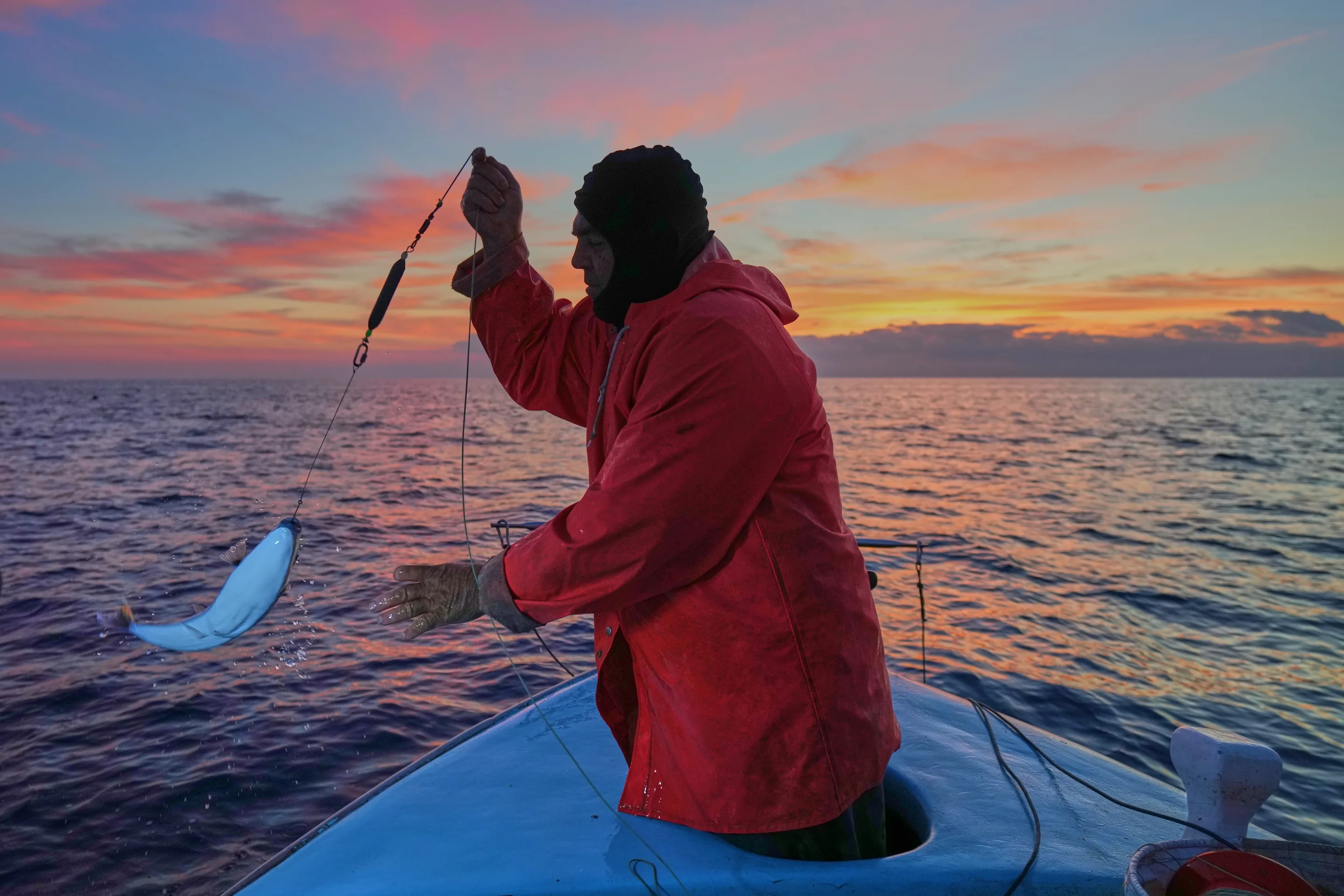
Invasive marine species spreading in the Mediterranean Sea due to warming waters

Journalist Profile
Lisa Park
“Lisa Park is a lifestyle writer covering wellness, travel, culture, fashion, food, and modern living. She explores emerging trends, inspiring stories, and practical ideas that help readers stay informed about contemporary lifestyles and culture.”
Discussion (0)
No comments yet. Be the first to share your perspective.
Trending Stories
01
Business
02Paterfamilias: What It Means to Lead the House of Herrera
Business
0325 States Sue Over Trump’s New Tariffs, Calling Them a Pretext to Replace Earlier Trade Measures
Business
04Microsoft Leads US Stock Rally With Best Day Since 2008 as Inflation Concerns Pressure Bond Markets
Business
05Bank of England Holds Key Interest Rate at 3.75% for Fifth Straight Meeting
Business
06US Stocks End Volatile July Higher as Amazon Surges, Apple Slides and Inflation Concerns Deepen
Business
07Iraq and Turkey Sign One-Year Oil Pipeline Deal to Strengthen Exports Amid Hormuz Disruptions
Business
08US Economy Slows to 1.5% Growth in Second Quarter as Inflation Stays Elevated
Business
Blanche Clears Confirmation Hurdle as Trump’s Tax Audit Immunity Stays Intact
Magazine Gazette
Stay informed with daily analysis
Join 20,000+ readers. Get curated briefs and breaking news alerts sent directly to your inbox.