Cooler Weather Helps France Control Wildfires as Evacuees Begin Returning Home
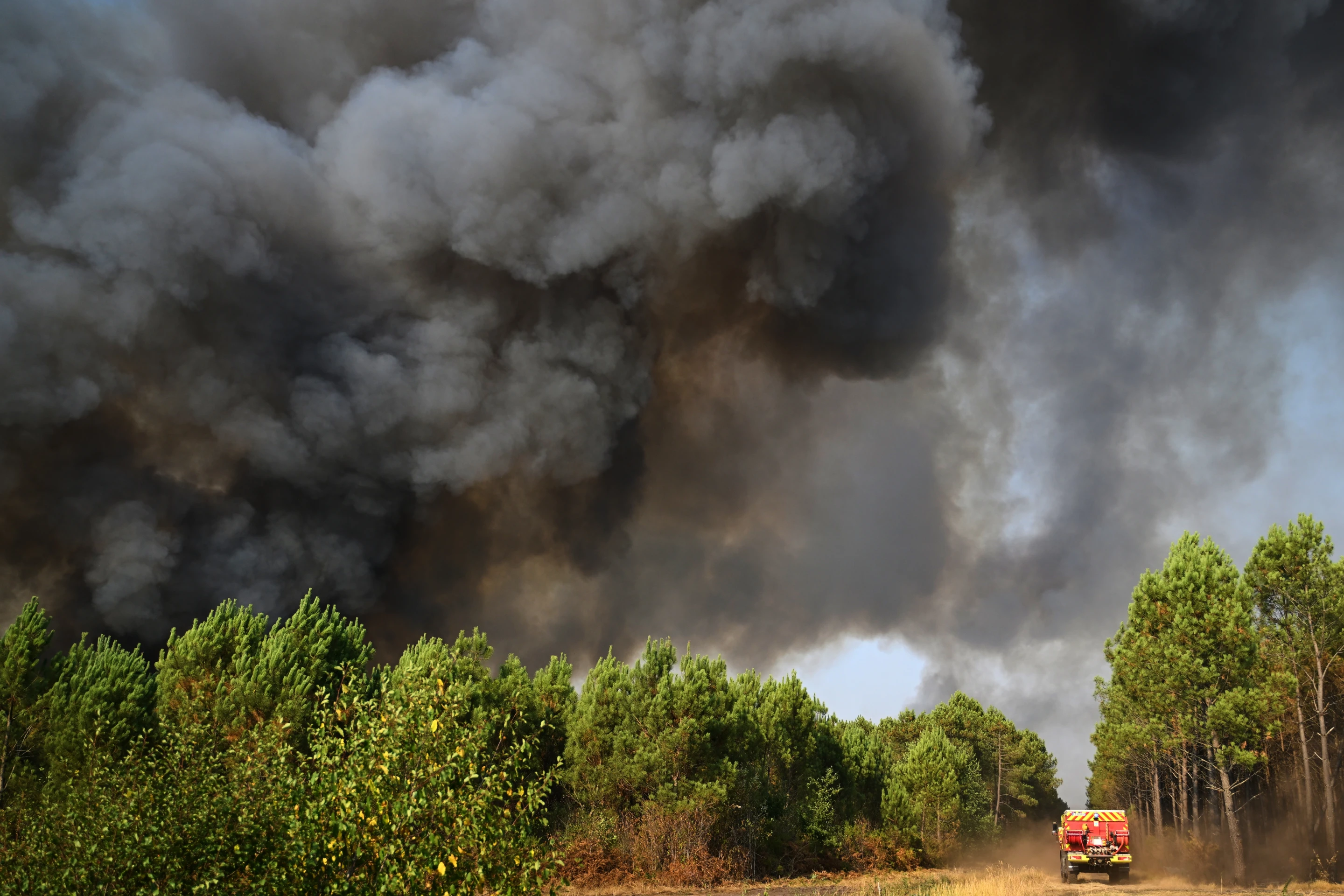
Tens of thousands of people evacuated during major wildfires in France have been allowed to return home as cooler temperatures and changing weather conditions provide relief for firefighters battling the flames. The improvement in conditions has helped emergency crews make progress in containing some of the most dangerous fires. The wildfires forced large-scale evacuations in affected regions, with residents temporarily leaving their homes as flames spread through forests and rural communities. Authorities moved quickly to protect civilians, establishing emergency shelters and organizing evacuation efforts as fire conditions worsened. Many residents returning home are facing the difficult task of assessing damage and recovering from the disruption caused by the fires. Some communities have reported destroyed property, damaged infrastructure, and concerns about long-term recovery. Firefighters from across France worked continuously to control the blazes, supported by emergency personnel and specialized equipment. High temperatures, dry vegetation, and strong winds had created dangerous conditions that allowed fires to spread rapidly. The arrival of cooler weather has reduced fire intensity and improved conditions for firefighting operations. However, officials have warned that risks remain in some areas because dry landscapes can continue to fuel new outbreaks. Wildfires have become an increasing concern across Europe as climate change contributes to hotter temperatures, longer drought periods, and more extreme weather events. France and other Mediterranean countries have experienced more frequent and intense wildfire seasons in recent years. While the return of evacuees represents a positive development, authorities continue monitoring affected areas to prevent further emergencies.
Wildfires Highlight Growing Climate Risks Across Europe
The French wildfires have renewed attention on the growing threat of extreme weather events across Europe. Rising temperatures and prolonged dry conditions have created environments where forests and grasslands become more vulnerable to rapid fire spread. Climate scientists have warned that warmer conditions and changing rainfall patterns are increasing wildfire risks in many parts of the continent. Southern European countries have experienced particularly severe impacts due to hot summers and dry landscapes. For local communities, wildfires can have lasting effects beyond immediate property damage. Tourism, agriculture, and local businesses often face economic challenges when fires disrupt travel and daily activities. Authorities have increased efforts to improve wildfire prevention, including better monitoring systems, emergency planning, and public awareness campaigns. Early detection and rapid response remain critical tools in limiting damage. The recent fires also demonstrate the importance of international cooperation during major emergencies. Firefighting teams, aircraft, and equipment are often shared between countries when large-scale disasters exceed local resources. France has continued investing in wildfire preparedness as officials prepare for future seasons that may bring similar challenges. Strengthening forest management and improving emergency response systems are key parts of long-term strategies. Although cooler weather has reduced immediate dangers, experts emphasize that wildfire risks will continue to require attention as climate conditions change.
Recovery Begins as Communities Assess Fire Damage
As evacuated residents return home, communities affected by the wildfires are beginning the process of recovery and rebuilding. Local authorities are inspecting damaged areas, restoring essential services, and providing assistance to families impacted by the disaster. For many residents, returning home brings a mixture of relief and uncertainty. While some properties remain intact, others have suffered damage from flames, smoke, or emergency response operations. Government agencies and local organizations are working to support affected communities through financial assistance, temporary housing programs, and recovery efforts. Rebuilding damaged areas could take months or even years depending on the severity of destruction. The fires have also raised questions about future preparedness and how communities can better protect themselves from similar disasters. Improved evacuation plans, stronger infrastructure, and better land management are expected to play important roles in reducing future risks. Tourism areas affected by wildfires are also working to recover as businesses prepare for visitors to return. Maintaining public confidence will be important for regions that depend heavily on seasonal tourism. The return of cooler weather marks an important turning point, but officials continue urging caution. Fire conditions can change quickly, especially during periods of extreme heat and drought. For thousands of French residents, returning home is the first step toward recovery after one of the country’s most challenging wildfire events.