Colin Gray Receives Prison Sentence in Landmark School Shooting Case
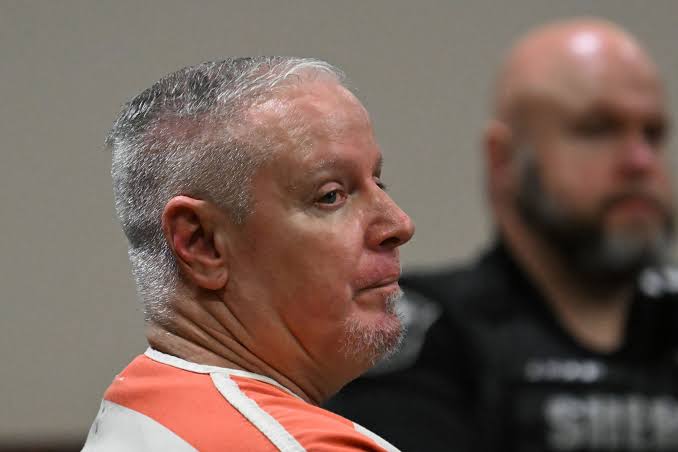
Colin Gray, the father of the teenager responsible for the deadly Apalachee High School shooting in Georgia, has been sentenced to 15 years in prison after being found criminally responsible for providing the firearm used in the attack. The sentence follows his conviction on charges including second-degree murder and involuntary manslaughter, making the case one of the rare instances in the United States where a parent has been held legally accountable after a child carried out a mass shooting.
The case stems from the September 2024 shooting at Apalachee High School in Winder, Georgia, where four people were killed, including two students and two teachers. Prosecutors argued that Colin Gray contributed to the tragedy by giving his teenage son Colt Gray access to an assault-style rifle despite warning signs about his son’s behavior and interest in previous school shootings.
During the trial, prosecutors presented evidence they said showed Colin Gray failed to properly secure firearms and ignored concerns about his son’s mental state and troubling behavior. They argued that the decision to provide the weapon played a direct role in enabling the attack. The defense maintained that Gray did not understand the seriousness of his son’s actions and argued that he did not intend for the firearm to be used in a violent act.
The sentencing has drawn national attention because it expands the conversation around parental responsibility in cases involving youth violence. Legal experts have noted that holding parents accountable after school shootings remains uncommon, with courts historically focusing primarily on the individual who carried out the attack.
The judge emphasized that while Colin Gray was not the person who carried out the shooting, his actions were connected to the events that led to the deaths and injuries at the school. The ruling has become part of a broader national debate about firearm access, parental oversight, and preventing future school violence.
Apalachee Shooting Reignites Debate Over Gun Access and Accountability
The sentencing of Colin Gray comes shortly after his son, Colt Gray, received a life sentence without the possibility of parole for the Apalachee High School attack. The teenager pleaded guilty to multiple charges related to the shooting, which resulted in the deaths of four victims and injuries to others.
The prosecution of Colin Gray represents a significant moment in discussions about whether parents should face criminal consequences when their children use firearms obtained through parental decisions. Prosecutors argued that parents have a responsibility to recognize warning signs and prevent dangerous access to weapons, especially when concerns about a child’s behavior have been raised.
The case has similarities to other recent legal efforts seeking to hold parents accountable after school shootings. However, each case depends on specific circumstances, including what parents knew, what actions they took, and whether their decisions contributed to the outcome. The Apalachee case has become a major example of how prosecutors are exploring new approaches to preventing gun violence.
Families of victims delivered emotional statements during court proceedings, describing the lasting impact of the shooting on students, educators, and the wider community. They argued that the tragedy could have been prevented if proper steps had been taken to restrict access to the weapon.
The outcome of the case may influence future discussions about firearm storage laws, parental responsibility, and school safety policies. As communities continue searching for ways to prevent similar tragedies, the Apalachee case highlights the complex legal and social questions surrounding youth access to weapons.
The 15-year sentence for Colin Gray marks a significant development in the growing effort to examine accountability beyond the person who pulls the trigger. It also reflects the increasing focus on prevention, warning signs, and the responsibilities of adults who provide access to firearms.