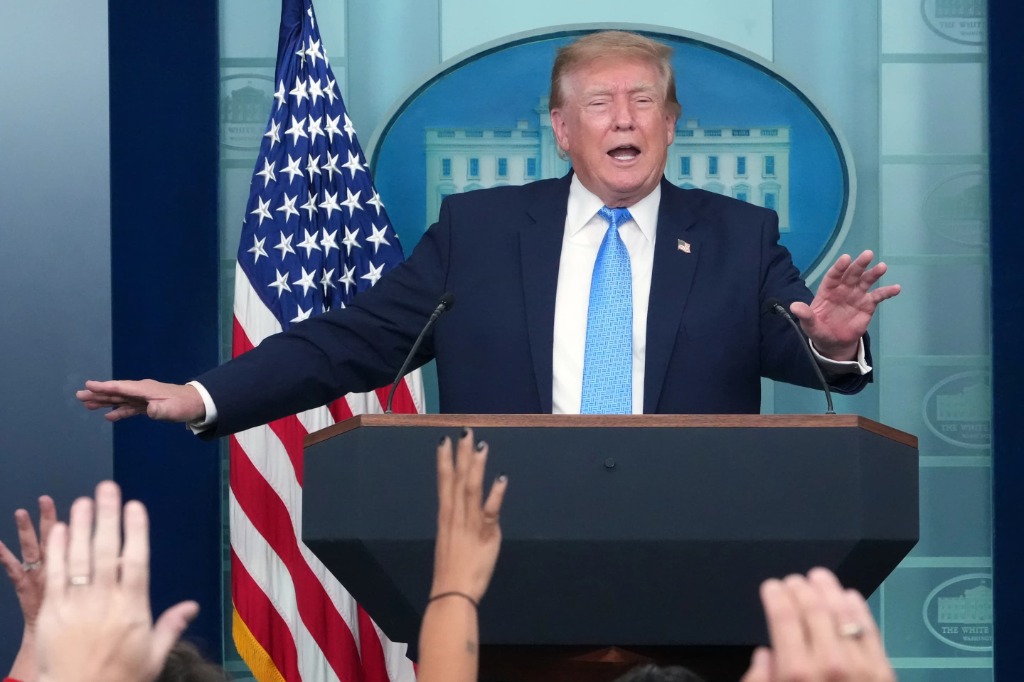
President Donald Trump declared on Tuesday that the armed conflict between the United States and Iran is militarily 'effectively over,' delivering the assessment from the White House briefing room shortly after concluding high-level bilateral talks with Qatari Prime Minister and Foreign Minister Sheikh Mohammed bin Abdulrahman Al Thani. The remarks mark the administration's most definitive statement yet that months of intense military confrontation in the Persian Gulf are giving way to a mediated diplomatic framework.
High-Level White House Talks With Qatari Leadership
Addressing reporters from the podium in the James S. Brady Press Briefing Room, Trump praised Qatar's central mediating role in facilitating back-channel communications between Washington and Tehran. According to senior administration officials familiar with the Oval Office discussions, the meeting focused on solidifying maritime security guarantees in the Strait of Hormuz, halting reciprocal missile and drone exchanges across the region, and establishing verification mechanisms for a sustained cessation of hostilities.
'Militarily, It Is Effectively Over'
During the briefing, Trump asserted that degraded Iranian air defense capabilities, combined with decisive U.S. deterrence operations over previous months, had achieved Washington's core military objectives. 'From a military standpoint, what we set out to do has been accomplished, and I believe the war with Iran is militarily effectively over,' Trump told reporters. He added that neither nation stood to gain from prolonged kinetic warfare and emphasized that economic stability and energy security were now top priorities.
Qatar’s Pivotal Role as Diplomatic Mediator
Doha has served as an indispensable diplomatic bridge throughout the crisis, leveraging its longstanding communication channels with both the White House and Iranian leadership while hosting the forward headquarters of U.S. Central Command at Al Udeid Air Base. Qatari Prime Minister Sheikh Mohammed bin Abdulrahman Al Thani reportedly presented updated assurances from Tehran regarding a pause in operations by regional proxy networks and adherence to de-confliction protocols along vital commercial shipping corridors.
Energy Markets and Global Shipping React
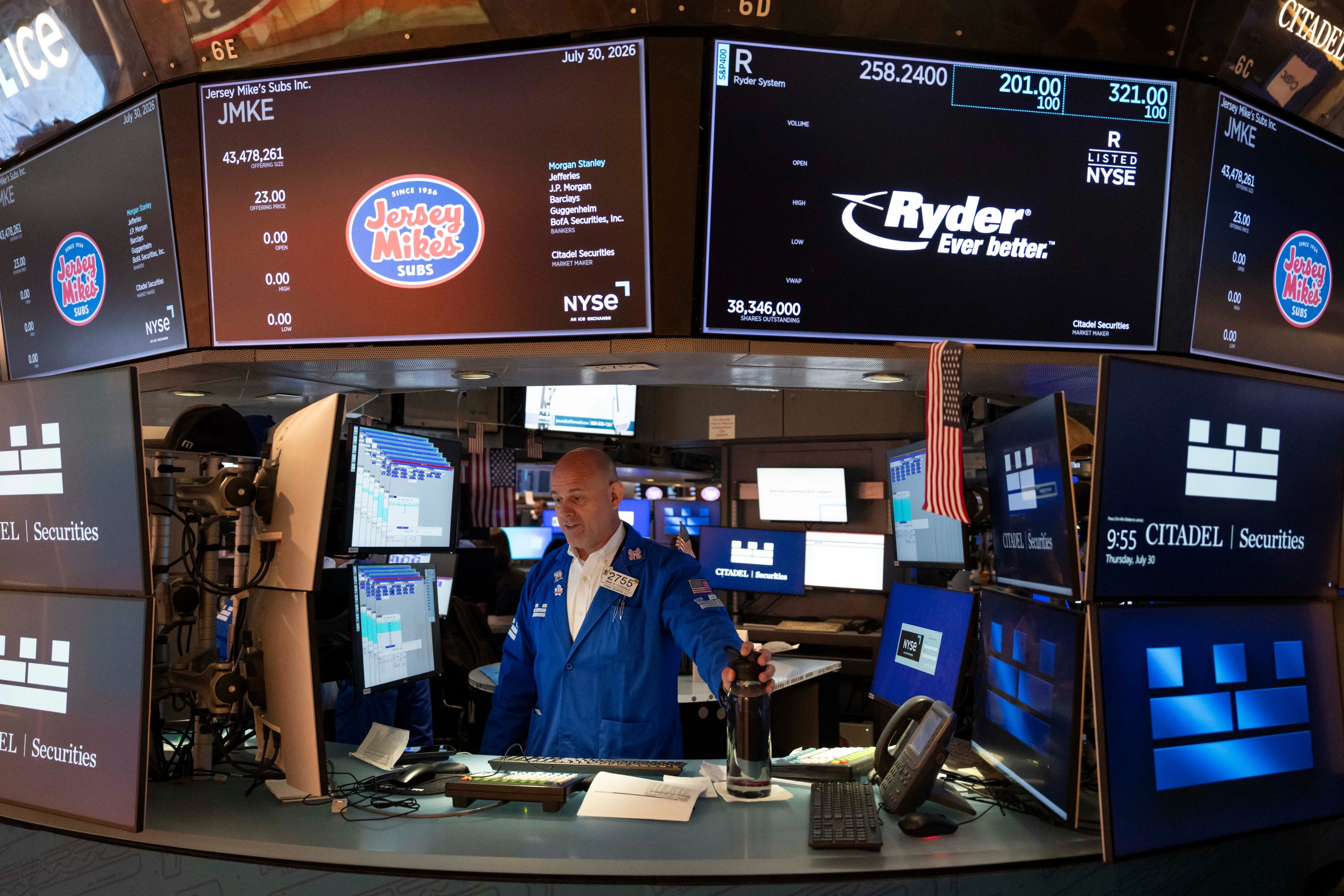
Global financial and energy markets responded swiftly to the president's remarks. Benchmark Brent crude futures eased by more than 3.2% in afternoon trading as traders priced in a reduced risk premium for Persian Gulf oil exports. Maritime insurance underwriters and international shipping conglomerates also welcomed the signal of de-escalation, noting that a durable halt to naval confrontations in the Strait of Hormuz would alleviate months of supply chain bottlenecks and elevated freight surcharges.
Skepticism and Calls for Verification on Capitol Hill
Despite the optimistic tone from the White House, lawmakers on Capitol Hill offered measured and divided reactions. Several Republican defense hawks cautioned against premature troop drawdowns or sanctions relief without ironclad, verifiable commitments from Tehran regarding its nuclear enrichment program and ballistic missile stockpiles. Meanwhile, Democratic members of the Senate Foreign Relations Committee welcomed the shift away from military escalation but pressed the administration to brief Congress formally on the specific terms discussed with Qatari mediators.
Regional Allies Monitor Next Phase of Diplomacy
Diplomatic officials in Riyadh, Abu Dhabi, Amman, and Jerusalem are closely evaluating the implications of Washington's posture. While Gulf capitals have consistently advocated for an end to cross-border strikes that threatened critical infrastructure and civilian air corridors, regional security analysts warn that translating a de facto military pause into a comprehensive diplomatic settlement will require sustained oversight.
The Road Ahead for U.S.-Iran Relations
Administration officials indicated that technical working groups, coordinated through Qatari and European intermediaries, are expected to convene in the coming weeks to formalize long-term ceasefire arrangements. While deep ideological and strategic divisions between Washington and Tehran remain unresolved, Tuesday's declaration signals a pivotal inflection point away from open warfare toward structured diplomacy.