
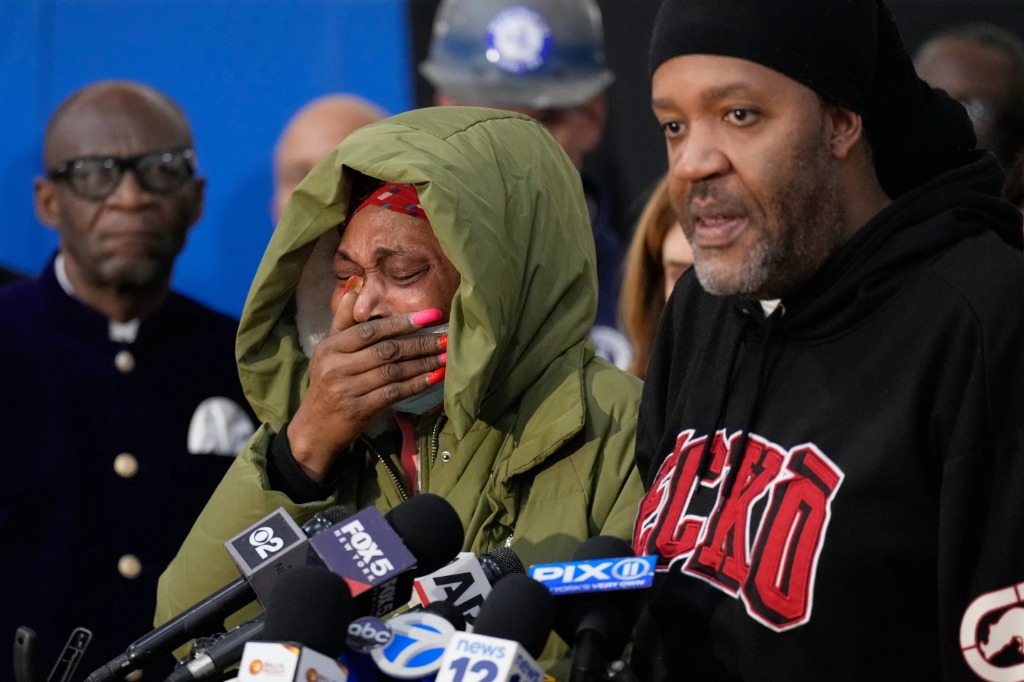
Survivors of the deadly building collapse in Brooklyn stood before reporters and television cameras on Saturday, visibly shaken and overcome with grief as they recounted the chaotic moments when floors gave way without warning, sending steel beams, brick facades, and slabs of concrete crashing down around trapped residents, workers, and neighbors.
Moments of Panic as the Structure Gave Way
Speaking at an emotional community briefing flanked by local advocates, faith leaders, and emergency responders, survivors described a deafening, thunderous roar followed instantly by total darkness and choking clouds of pulverized plaster and dust. Several tenants said the building trembled violently for only a few seconds before upper-story floors pancaked onto lower apartments. Residents recounted grabbing children, elderly relatives, and pets in the dark and scrambling down buckled stairwells or climbing out onto fire escapes while debris continued to rain down onto the sidewalk below.
Families Mourn Victims as Search Operations Continue
Relatives of those killed or still unaccounted for wept openly at the microphones, holding photographs of loved ones while pleading for transparency and full accountability from city authorities and property owners. Fire Department of New York (FDNY) officials and urban search-and-rescue specialists worked through consecutive overnight shifts in precarious conditions, using thermal imaging cameras, acoustic listening devices, rescue canines, and heavy cranes to carefully lift unstable slabs without triggering secondary collapses.
Questions Over Permits, Inspections, and Prior Warnings
Tenants and neighborhood housing advocates told reporters that warning signs had been visible for weeks prior to the tragedy, citing widening cracks in load-bearing masonry, jammed apartment doors, persistent water leaks, and ongoing interior construction work that residents feared lacked proper engineering oversight. New York City Department of Buildings (DOB) engineers have cordoned off neighboring structures as a precaution while structural investigators and the Brooklyn District Attorney's office examine permit histories, violation records, and contractor logs tied to recent renovations.
Emergency Medical Response and Psychological Trauma
Paramedics and trauma teams from nearby Brooklyn hospitals treated dozens of injured survivors for crush injuries, fractures, lacerations, and severe smoke and dust inhalation. Mental health counselors deployed by the city's Office of Emergency Management noted that many survivors who escaped physical injury are grappling with acute shock, survivor's guilt, and sleeplessness, having witnessed neighbors and friends vanish beneath the rubble within seconds.
Citywide Scrutiny on Aging Housing Stock
The collapse has reignited urgent debate across New York City over the safety of aging residential and mixed-use buildings, particularly in neighborhoods undergoing rapid commercial redevelopment and aggressive interior conversions. City Council members and tenant-rights coalitions called for mandatory proactive structural audits, steeper criminal penalties for negligent landlords, and faster emergency vacate-and-repair enforcement whenever tenants report structural distress.
Community Rallies Around Displaced Households
Local churches, community centers, mutual aid volunteers, and municipal relief agencies have established emergency shelters, temporary hotel vouchers, and donation drives for displaced households who fled with nothing more than the clothes on their backs. Neighborhood leaders vowed to stand alongside grieving families and displaced tenants throughout the months-long investigation, demanding both immediate financial relief for survivors and lasting reforms to prevent another preventable tragedy.