 Facebook
 WhatsApp
 LinkedIn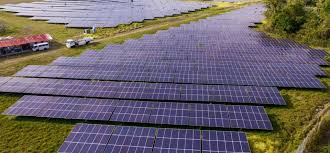
Puerto-Rico
Puerto Rico Boosts Renewable Energy Infrastructure Plans
Puerto Rico is expanding renewable energy and infrastructure projects to strengthen economic growth, energy reliability, and sustainability.
Updated May 13, 2026
Puerto Rico is accelerating efforts to expand renewable energy and infrastructure projects as government officials, private investors, and industry leaders work to strengthen the island’s economy, improve energy reliability, and support long-term sustainability goals. The growing investment reflects Puerto Rico’s broader strategy to modernize critical infrastructure while reducing dependence on traditional energy sources.
Renewable energy development has become a central priority for Puerto Rico as the island continues addressing long-standing energy challenges. Solar power, battery storage systems, and grid modernization projects are being expanded to improve electricity reliability and reduce vulnerability to supply disruptions and severe weather conditions.
Energy resilience remains one of the most important goals behind these initiatives. Puerto Rico has faced repeated power outages and infrastructure difficulties in recent years, increasing pressure for long-term modernization and improved energy security. Officials believe renewable energy investments can help create a more stable and efficient power system.
Solar energy projects are expanding across multiple regions of the island. Residential, commercial, and utility-scale solar installations are increasing as businesses and households seek more reliable and cost-effective energy solutions. Battery storage technology is also becoming more common to support energy stability during outages and peak demand periods.
Infrastructure modernization extends beyond energy systems. Puerto Rico is investing in roads, bridges, ports, airports, telecommunications networks, and water infrastructure as part of broader economic development plans. These improvements are expected to support business growth, tourism, transportation efficiency, and public services.
Government agencies and private sector partners are collaborating on several large-scale development projects. Public-private partnerships are playing an increasingly important role in financing and implementing infrastructure initiatives across the island.
Technology and innovation are influencing many of the new projects. Smart grid systems, digital monitoring tools, and advanced energy management technologies are being introduced to improve operational efficiency and strengthen infrastructure reliability.
Economic growth remains closely tied to infrastructure investment. Analysts note that modern transportation systems, reliable energy networks, and strong digital infrastructure are essential for attracting businesses and encouraging long-term investment.
The renewable energy sector is also creating new employment opportunities. Construction workers, engineers, electricians, technicians, and technology specialists are increasingly needed to support expanding energy and infrastructure projects across Puerto Rico.
Environmental sustainability is another major factor driving investment decisions. Renewable energy projects help reduce carbon emissions and support broader climate goals while improving long-term energy independence. Puerto Rico’s transition toward cleaner energy aligns with global trends focused on sustainable development.
Federal funding and external investment are helping support many modernization initiatives. Infrastructure grants, recovery programs, and private capital investments continue contributing to project expansion and economic activity.
Businesses operating in Puerto Rico are expected to benefit from improved infrastructure reliability and energy stability. More dependable utilities and transportation systems can help reduce operational risks and encourage additional commercial development.
Tourism may also benefit from modernization efforts. Improved transportation facilities, upgraded public infrastructure, and more reliable energy systems can enhance visitor experiences and strengthen Puerto Rico’s position as a major Caribbean destination.
Technology companies and digital service providers are increasingly interested in Puerto Rico’s infrastructure transformation. Reliable connectivity and improved energy systems are viewed as essential for supporting future innovation and business expansion.
Despite progress, challenges remain. Large-scale infrastructure projects often face delays related to funding, regulatory approvals, environmental concerns, and construction logistics. Officials continue working to balance development goals with financial and operational realities.
Energy affordability is another important issue in the transition process. Policymakers are seeking ways to expand renewable energy access while ensuring electricity remains affordable for households and businesses.
Experts emphasize the importance of long-term planning and maintenance. Sustainable infrastructure development requires continued investment not only in construction but also in ongoing modernization, workforce training, and operational management.
Community involvement is becoming increasingly important in project planning and development. Residents, local organizations, and business groups are participating more actively in discussions related to environmental impact, land use, and economic priorities.
International investors are also paying closer attention to Puerto Rico’s infrastructure and renewable energy sectors. The island’s strategic location and modernization efforts are attracting interest from companies involved in clean energy, logistics, and digital infrastructure.
Looking ahead, additional renewable energy facilities and infrastructure upgrades are expected throughout 2026 and beyond. Officials say continued investment will be necessary to meet future energy demand and strengthen economic resilience.
In conclusion, Puerto Rico’s expansion of renewable energy and infrastructure projects reflects the island’s broader effort to modernize critical systems, improve sustainability, and support long-term economic growth. Through continued investment and innovation, Puerto Rico is positioning itself for a more resilient and competitive future.