 Facebook
 WhatsApp
 LinkedIn
Politics
U.S. Congress Debates Economic Policies Before Elections
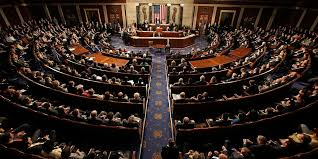
The U.S. Congress is debating key economic policies ahead of upcoming elections, with decisions expected to impact growth and public sentiment.
Updated April 24, 2026
The United States Congress is actively debating a series of key economic policies as the country approaches upcoming elections. These discussions are taking place at a critical time, with lawmakers facing pressure to address economic challenges while also responding to voter concerns.
At the center of the debates are issues related to government spending, taxation, inflation control, and economic growth. Lawmakers from different political parties are presenting contrasting approaches, reflecting broader ideological differences about how best to manage the economy.
One of the primary areas of focus is fiscal policy. Members of Congress are discussing proposals that could influence government spending levels and budget priorities. Some lawmakers are advocating for increased spending on infrastructure, social programs, and economic development initiatives, arguing that these investments can stimulate growth and create jobs. Others are emphasizing fiscal responsibility, calling for measures to control spending and reduce the national deficit.
Tax policy is another major topic in the ongoing debates. Proposals include adjustments to corporate tax rates, changes in individual tax brackets, and incentives aimed at encouraging investment. These discussions are closely tied to broader economic goals, including boosting business activity and addressing income inequality.
Inflation remains a key concern for both policymakers and the public. Lawmakers are considering strategies to manage rising costs and maintain price stability. This includes examining the role of monetary policy, supply chain improvements, and regulatory measures that could influence pricing across various sectors.
The labor market is also a significant part of the conversation. Congress is evaluating policies related to job creation, workforce development, and wage growth. Ensuring that workers have access to opportunities and fair compensation is a priority for many lawmakers, particularly in the context of economic recovery and long-term growth.
Energy and environmental policies are increasingly intertwined with economic discussions. Debates are focusing on how to balance economic growth with sustainability goals, including investments in renewable energy and efforts to reduce environmental impact. These policies can have significant implications for industries, employment, and long-term economic stability.
Small businesses are another key focus of legislative discussions. Lawmakers are exploring ways to support entrepreneurs and small enterprises, recognizing their importance in driving economic activity and job creation. Proposals include access to financing, tax relief, and regulatory reforms aimed at reducing barriers to growth.
The political context of the debates is shaped by the upcoming elections. Lawmakers are not only considering the economic impact of their decisions but also how these policies resonate with voters. Public opinion plays a crucial role in shaping legislative priorities, as elected officials seek to address the concerns of their constituents.
Economic policy debates often involve complex negotiations and compromise. Achieving consensus can be challenging, particularly in a politically divided environment. However, many policymakers emphasize the importance of bipartisan cooperation in addressing critical economic issues.
The outcome of these debates is expected to have significant implications for the U.S. economy. Decisions made by Congress can influence business confidence, consumer behavior, and overall economic performance. Markets and investors are closely monitoring developments, as policy changes can impact financial conditions and investment strategies.
International observers are also paying attention to U.S. economic policy discussions. As one of the world’s largest economies, decisions made in the United States can have global repercussions, affecting trade, investment, and economic stability.
Analysts note that the current period represents a pivotal moment for economic policymaking. The choices made by Congress in the coming months could shape the country’s economic trajectory for years to come.
Looking ahead, negotiations and discussions are expected to continue as lawmakers work toward finalizing key policies. The legislative process will involve further debates, revisions, and potential compromises before decisions are reached.
For now, the focus remains on addressing economic challenges while preparing for the political dynamics of the upcoming elections. The debates in Congress highlight the importance of effective policymaking in supporting economic growth, stability, and public confidence.
As the election approaches, the direction of U.S. economic policy will remain a central issue, influencing both political outcomes and the broader economic landscape.