


Subscribe

menu icon search icon

Magazine Gazette | News That Shapes the World

menu icon search icon
×

Leading economists are warning that the United States’ long-term economic outlook will be shaped significantly by how policymakers handle the intertwined issues of trade and immigration. As global competition intensifies, American industries depend heavily on strong international partnerships and a flexible, skilled workforce capable of adapting to emerging challenges. Recent disruptions to global supply chains have demonstrated how vulnerable the economy can be when trade ties weaken or geopolitical tensions rise. At the same time, labor shortages in key sectors have placed additional pressure on employers, making immigration reform a central topic in discussions about future growth.

Adam Whitmore

Trade specialists emphasize that maintaining stable relationships with major global partners is essential for supporting U.S. manufacturing, agriculture, and technology industries. Tariff disputes, supply chain breakdowns, and diplomatic conflicts can quickly ripple through the economy, increasing costs and slowing production. Economists argue that policymakers must develop long-term trade agreements that not only protect American interests but also adapt to changing global conditions. Without consistent strategies, businesses may hesitate to invest in expansion or innovation. As the global economy evolves, the U.S. will need policies that encourage competitiveness, reduce uncertainty, and strengthen cooperation with key trading nations.

  • U.S. economic growth increasingly tied to global trade stability
  • Labor shortages highlight need for immigration reform
  • Experts call for coordinated long-term strategy
  • Supply chain vulnerabilities remain a major concern
  • Policymakers face pressure to strengthen workforce and trade ties

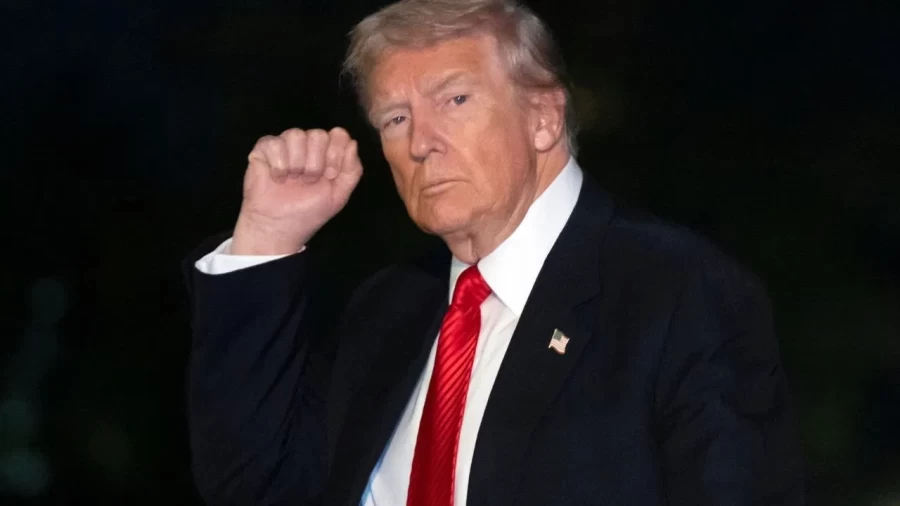
Experts warn America’s future growth depends heavily on updated trade policies and modernized immigration strategies.

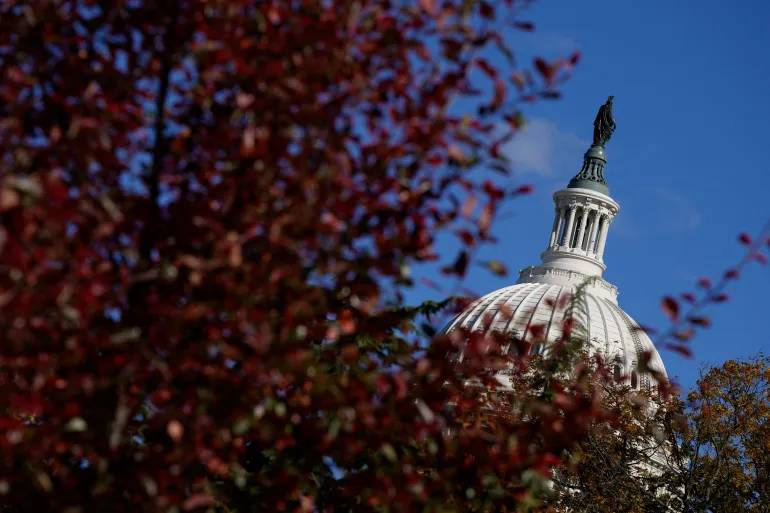
Immigration plays an equally critical role in shaping the nation’s economic trajectory. Many industries, including healthcare, construction, and agriculture, rely heavily on immigrant workers to meet demand. With an aging population and fewer young workers entering the labor market, experts warn that shortages could worsen without updated immigration policies. Reform proposals range from expanding skilled worker visas to streamlining pathways for essential laborers. Supporters argue that a more flexible system would boost productivity and innovation. Opponents, however, continue to push for stricter enforcement and reduced immigration levels, creating a political divide that complicates meaningful progress.

Economists caution that failing to cope with both change and immigration may want to hinder the U.S. Economic system’s capacity to compete globally. Other nations are making an investment aggressively in group of workers improvement and alternate partnerships, and the U.S. Dangers falling in the back of if it does not adapt. Analysts argue that the usa desires a unified economic strategy that acknowledges the interconnected nature of world markets and home labor demands. Policymakers face stress to bridge partisan divides and craft policies that provide lengthy-time period balance. Although the demanding situations are sizable, addressing them could make stronger the country’s function and make certain sustained growth within the years in advance.

Author Image

John Doe

John is a passionate writer and web developer with over 10 years of experience. He loves creating tutorials and helping others learn web development.

Top Stories

Senate Approves Funding Bill to End Government Shutdown

December 01, 2025

Top Stories

Trump Threatens Lawsuit Against BBC Over Edited Documentary

December 01, 2025

Member discussion

0 comments

Start the conversation

Become a member of Magazine Gazette to start commenting.