

Subscribe

menu icon

Magazine Gazette | News That Shapes Our World Today

menu icon
×

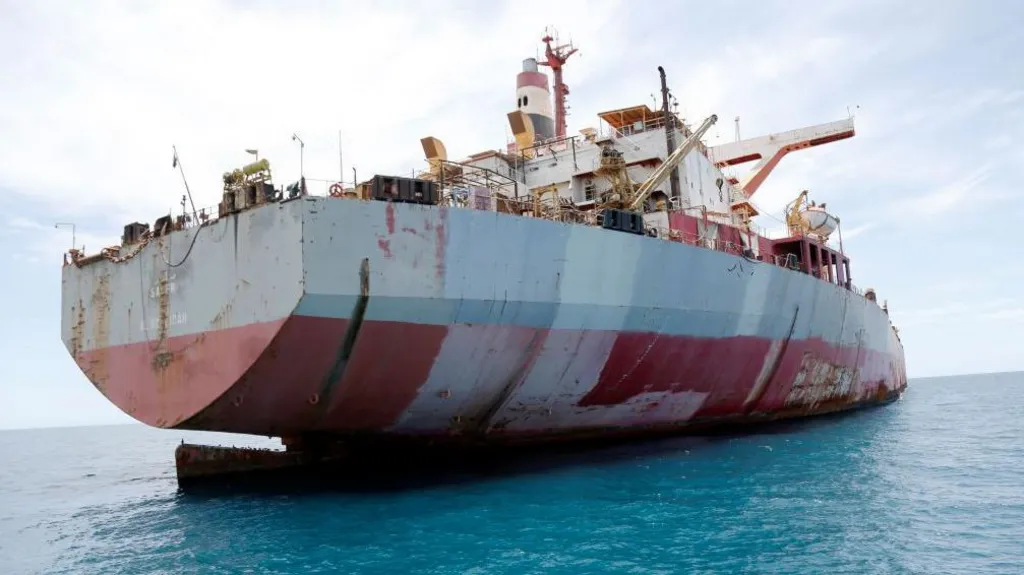
The number of oil tankers and other commercial ships that have been abandoned by their owners worldwide has significantly increased in the last 12 months. Why is the increase occurring? And how do the impacted merchant seamen feel on a human level? Last month, Ivan (not his real name) spoke to me from an oil tanker that is stranded outside of China's territorial waters. He holds the rank of senior deck officer.Meat, grain, fish, and other necessities for existence were in short supply," the Russian officer stated. "It's affected our health and our operational atmosphere."We merely attempted to survive day by day, and the crew was both hungry and irate. Nearly 750,000 barrels of Russian crude oil, valued at almost $50 million (£37 million), are put onto the ship, which we are not naming in order to protect Ivan. In early November, it had sailed to China from the Far East of Russia. The International Transport Workers' Federation (ITF), a global trade union, said that it had been abandoned in December after the crew claimed they had not received payment for months. The ship is still in international seas. China is reportedly unwilling to let it into port because of the intense inspection it receives. Ivan and his coworkers have been paid until December thanks to the ITF's intervention, which also made arrangements for the ship to receive food, water, and other necessities. Most of the crew, including Ivan, are still on board, though some have been returned.

Adam Whitmore

According to the ITF, 20 ships were abandoned worldwide in 2016. The figure skyrocketed to 410 in 2025, with 6,223 merchant seamen being victims. Compared to 2024, both of those numbers from the previous year were about a third higher. The surge in recent years is attributed in part to geopolitical turmoil. Some operators are finding it difficult to stay afloat as a result of supply chain disruptions and wildly fluctuating freight costs brought on by the Covid epidemic and widespread conflicts worldwide. But according to the ITF, the significant increase last year may have been caused in part by the increasing ubiquity of so-called "shadow fleets".

These ships, which are usually oil tankers like the one Ivan is detained on, are usually old, obscurely owned, unseaworthy, probably uninsured, and dangerous to operate. Additionally, the ships are registered in nations with very little regulatory control, and they usually operate under flags of convenience, or FOCs. In order to enable nations like Venezuela, Iran, and Russia export their crude in defiance of Western sanctions, the shadow fleet ships are attempting to remain under the radar. Consider Russia as an example. It has been subject to sanctions that have limited the price it may charge for its crude since its invasion of Ukraine in February 2022. However, Russia has identified consumers like China and India who are prepared to pay a premium, even if the latter has since promised to stop buying under the terms of a recent trade agreement with the US.

For over a century, FOCs have been transported by merchant ships as a way for owners to get around domestic rules and regulations. American-owned passenger ships frequently registered in Panama in the 1920s in order to sell alcohol on board and get around US prohibition regulations. With 46.5% of all commerce ships by weight, Panama, Liberia, and the Marshall Islands are the most frequent FOC jurisdictions; however, Gambia has emerged as a participant in recent years. There were no oil tankers registered in the Gambia in 2023, but by March of last year, 35 of them were officially registered there. Large fees are enjoyed by host countries. In abandonment, FOC vessels are frequently seen. They made up 337 ships, or 82% of the total, in 2025. It is unclear how many of these ships are shadow-fleet ships, but given their poor condition and the dubious ownership arrangements that underlie them, it would seem that these vessels and their sailors are at more risk. According to the International Maritime Organization's (IMO) guidelines, a seafarer is considered abandoned if their shipowner does not pay for their return, neglects to provide them with the maintenance and assistance they require, or otherwise breaks off contact with them. The latter involves not paying agreed-upon salaries for a minimum of two months. According to Stephen Cotton, General Secretary of the ITF, "abandonment isn't an accident" (BBC). He continues: "Seafarers don't really know where they're going."After signing a contract, they travel to a new country and face a variety of difficulties.


Jamie Larson

Senior Writer 路 Investigative Journalism

Jamie writes deep-dive reporting on technology, society and culture. Former editor at independent publications, Jamie focuses on clear storytelling and long-form investigations.

Top Stories

Senate Approves Funding Bill to End Government Shutdown

December 01, 2025

Top Stories

Trump Threatens Lawsuit Against BBC Over Edited Documentary

December 01, 2025

Member discussion

0 comments

Start the conversation

Become a member of Magazine Gazette to start commenting.